

Quick answer
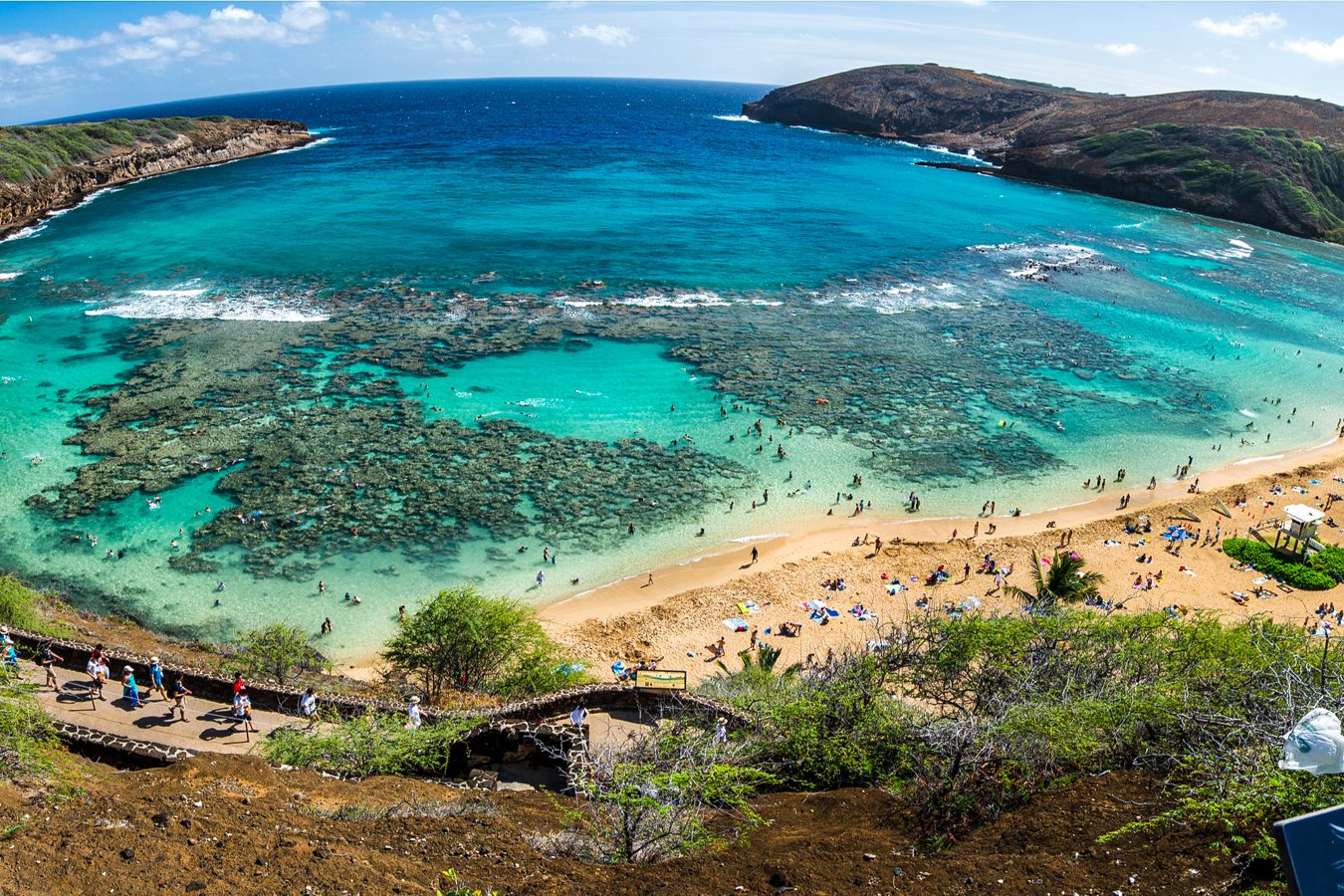
The best snorkeling on Oahu in winter concentrates along the south and west shores, where Hanauma Bay, Electric Beach, and Turtle Canyon offer protection from the large north swells that dominate December through February. Hanauma Bay remains the most reliable choice, with its crescent-shaped cove blocking wave energy and maintaining visibility above sixty feet even during peak surf season. Arrive before 10:00 to secure parking and calmer morning conditions before afternoon winds pick up.
Oahu's winter swells can exceed thirty feet on the north shore, closing Shark's Cove, Three Tables, and Waimea Bay to snorkeling from late November through March. The same low-pressure systems that generate those swells leave the island's leeward coast in a seasonal shadow, turning south and west shore sites into the island's primary snorkeling corridor until spring. Hanauma Bay anchors the winter rotation. The volcanic crater shields the interior reef from northwest swells, and the marine education program enforces a conservation fee of twenty-five dollars per adult that funds ranger presence and limits daily entry. The bay opens Wednesday through Sunday from 06:45 to 15:30, with the first two hours offering the clearest water and least congestion. Visibility typically ranges from sixty to one hundred feet in winter months, and the sandy channels between coral heads hold green sea turtles, parrotfish, and yellow tang. The protected status means no fishing pressure and habituated marine life. Electric Beach, officially Kahe Point Beach Park, draws advanced snorkelers willing to navigate the shore entry and swim two hundred yards offshore to the warm-water outfall. The thermal plume from the nearby power plant attracts manta rays, eagle rays, and pelagic schools, but the site demands strong swimming ability and attention to current patterns. Turtle Canyon, a boat-only site off Waikiki, offers guided excursions to shallow coral bommies where honu rest in cleaning stations. The operator schedules matter: morning departures align with lower winds and flatter surface conditions. Winter water temperature hovers between seventy-four and seventy-six degrees Fahrenheit, cold enough that a three-millimeter shorty extends bottom time and reduces fatigue. The seasonal plankton bloom can tint the water green nearshore, but offshore visibility remains high when storms stay north. Oahu's winter snorkeling depends less on finding exceptional reefs than on reading swell forecasts and choosing the coast the Pacific has chosen to leave alone.
“The volcanic crater shields the interior reef from northwest swells, turning Hanauma Bay into the island's most dependable winter snorkel site when north shore breaks close.”
Best Snorkeling on Oahu in Winter — When and Where Conditions Are Calmest
North and west shore breaks turn wide and choppy from roughly November through March, so the calmest snorkeling shifts to leeward and south-facing waters, and mornings before the trade winds build stay clearest.
November to March
Fewer tourists than summerAir near 78–80°F, water near 74–76°F
North Shore spots like Shark's Cove get rough and hazardous surge, so winter visits concentrate on south and leeward sites such as Hanauma Bay, Ko Olina's lagoons, and Waikiki, which stay largely sheltered from north and west swells.
Morning, before 10am
Lightest crowds and calmest waterWinds typically light at dawn, picking up by midday
Trade winds usually build through the late morning, so visibility and surface calm are best shortly after sunrise, before wind-driven chop sets in.
Afternoon, winter months
Crowds thinner but conditions choppierOnshore wind increases, surface texture roughens
Even at sheltered leeward spots, afternoon wind can stir up sediment and reduce underwater visibility compared with the same morning.
December to February (peak swell)
Moderate visitor numbersLargest north/west swells of the year, water near 74°F
This is when North Shore snorkel sites are least reliable, making south shore and leeward alternatives the more consistent winter choice.
Verdict: For winter snorkeling on Oahu, aim for a morning arrival at a leeward or south shore site rather than the North Shore, where winter surf is largest.
Top Winter Snorkel Spots on Oahu
Winter's north-facing swell leaves Oahu's leeward and south shore spots calm and clear, each with its own resident marine life. Here are four named sites worth building a snorkel day around.
Hanauma Bay Nature Preserve
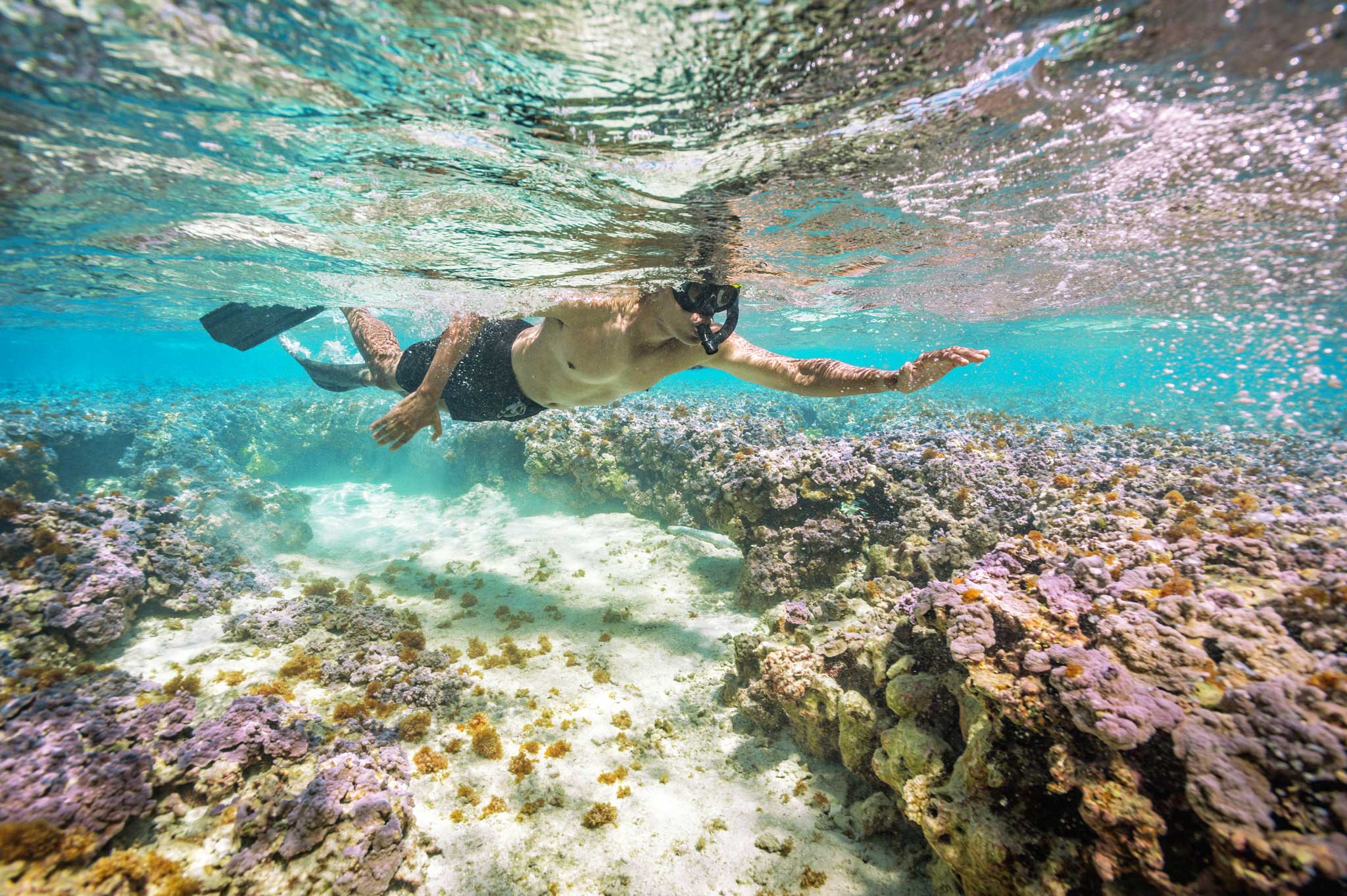
A protected volcanic crater bay in southeast Oahu with a shallow reef flat holding parrotfish, tangs, and green sea turtles.
Snorkel the inner reef first, near the shoreline.
Ko Olina Lagoons
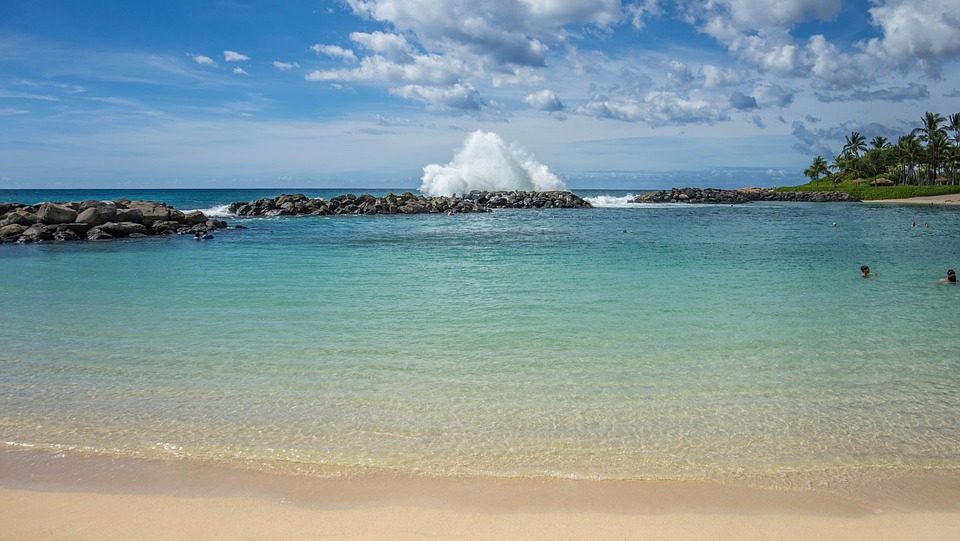
Four man-made lagoons along Oahu's leeward coast, separated by rock breakwaters that block winter swell and keep water calm for reef fish sightings.
Enter at Lagoon 4 for the most exposed reef edge.
Electric Beach (Kahe Point)
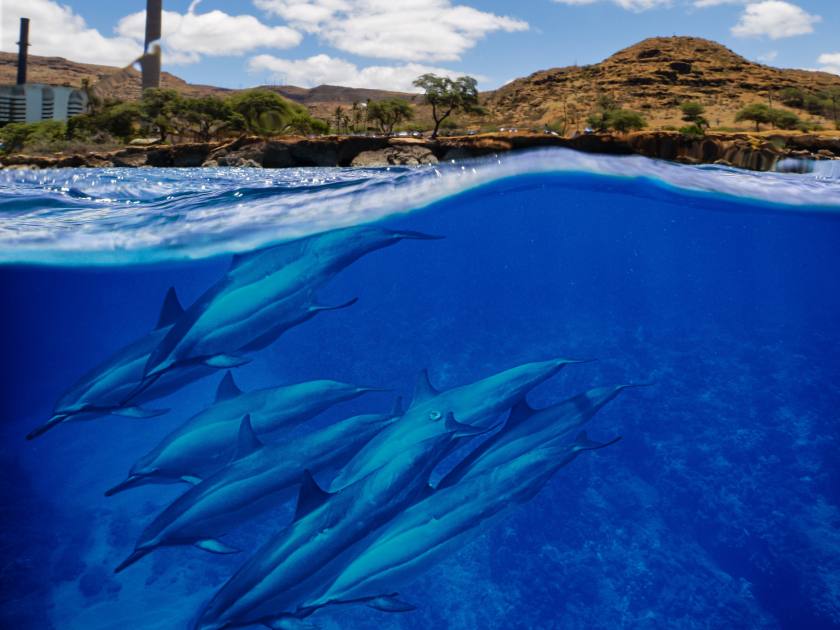
A leeward-side spot near Kahe Point Beach Park where warm water discharge from the power plant draws spinner dolphins and green sea turtles year-round.
Swim toward the outflow pipe area for dolphin sightings.
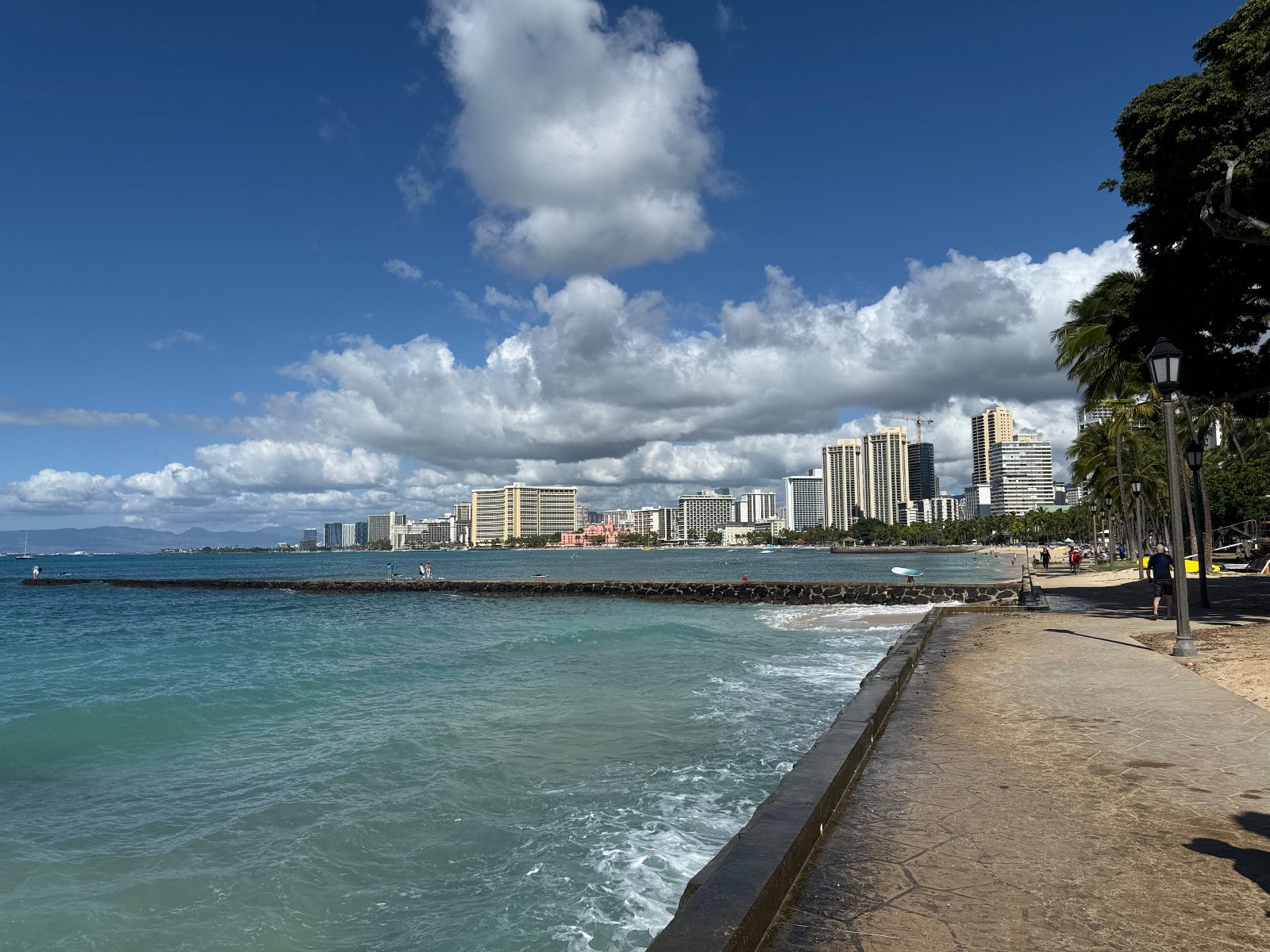
Queen's Surf Beach (Waikiki)
A south shore section of Waikiki near the Natatorium wall, with a rock and reef patch that shelters juvenile fish and occasional turtles.
Snorkel close to the Natatorium's seawall edge.
Hanauma Bay Entrance Fee for Winter Snorkeling Visits
Admission to Hanauma Bay hinges on age: the conservation fee applies only to visitors 13 and older, with one flat rate rather than tiered pricing.
A typical adult visitor pays 25 USD, and the only thing that changes that is age or proof of Hawaii residency.
Hanauma Bay Hours for Best Snorkeling on Oahu in Winter Trips
Hanauma Bay Nature Preserve is closed Monday and Tuesday, then open Wednesday through Sunday on a single fixed schedule year-round.
| Monday | Closed | |
|---|---|---|
| Tuesday | Closed | |
| Wednesday | 06:45 – 15:30 | |
| Thursday | 06:45 – 15:30 | |
| Friday | 06:45 – 15:30 | |
| Saturday | 06:45 – 15:30 | |
| Sunday | 06:45 – 15:30 |
Getting to Oahu's Best Winter Snorkeling Spots
Hanauma Bay, Ko Olina and Electric Beach sit on opposite sides of the island, so getting there means picking a coast rather than a single route. A car is the most practical option for all three, since bus service is limited and taxis add up over a full day of island-hopping.
H-1 East to Kalanianaʻole Highway (Route 72) to Hanauma Bay Rd.
Route 22 (Beach Bus) to Hanauma Bay
H-1 West to Ko Olina exit, follow signs to Ko Olina Lagoons
H-1 West to Farrington Highway to Kahe Point Beach Park (Electric Beach)
Rideshare or taxi via H-1 East or West depending on destination
Snorkeling Etiquette Rules for Winter Visits to Oahu's Reefs
Oahu's reefs are fragile ecosystems protected by state law and local norms. Winter swells raise the stakes—rougher conditions demand stricter adherence to no-touch rules and zone closures.
Do
- Wear reef-safe sunscreen (non-nano zinc or titanium only)
- Keep a safe distance from coral and marine life
- Respect posted closures at north shore winter breaks
- Float horizontally; avoid standing on the reef
- Report injured wildlife to lifeguards
Don't
- Touch, stand on, or kick coral with fins
- Use chemical sunscreens containing oxybenzone or octinoxate
- Chase, corner, or feed sea turtles and fish
- Snorkel in areas marked closed due to winter surf
- Remove shells, rocks, or sand from the bay
Pre-Visit Checklist for Best Snorkeling on Oahu in Winter
Winter swells and limited entry windows demand more planning than summer snorkeling.
-
Book your Hanauma Bay entry slot online — Reservations open 48 hours ahead and sell out quickly, especially weekends.
-
Check surf and swell forecasts daily — North and west shores see 8–15 ft winter swells; south-facing bays stay calmer.
-
Pack reef-safe mineral sunscreen — Chemical sunscreens damage coral; look for zinc oxide or titanium dioxide formulas.
-
Bring water shoes or reef booties — Rockier winter entries and surge make bare feet risky at many sites.
-
Download offline maps and tide charts — Cell service drops in remote snorkel areas; know high tide times before you go.
-
Arrive by 7:00 AM at Hanauma Bay — Parking fills by mid-morning and the gate closes once capacity is reached.
What to Combine With Your Winter Snorkeling Stop
A few notable spots sit within a short drive of Hanauma Bay, making it easy to build out a half-day itinerary around your snorkeling stop without adding significant drive time.
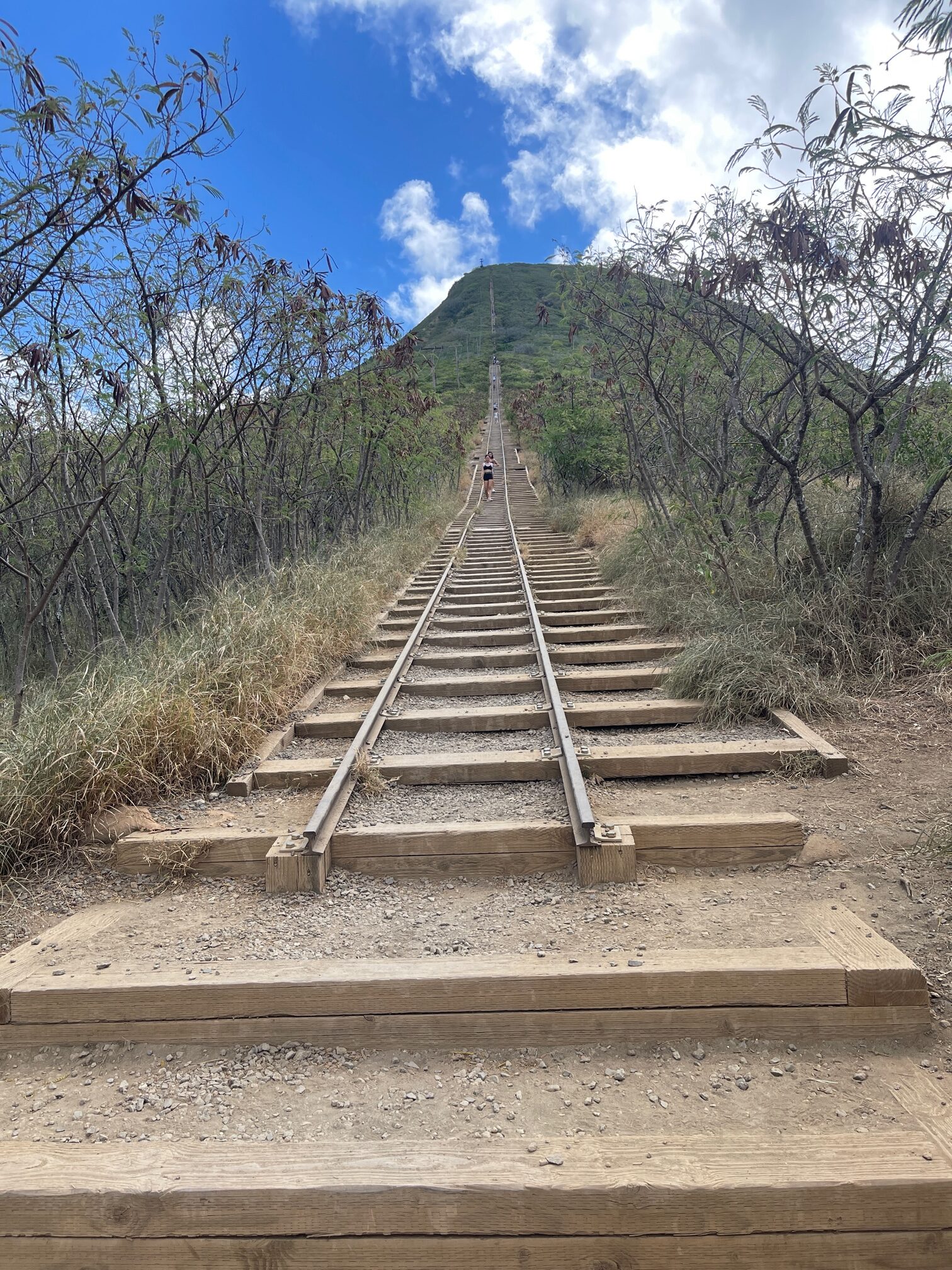
Koko Crater Trail (Koko Crater Railway Trail)
A steep former railway track up Koko Crater with views over southeast Oahu, best tackled in the cooler morning hours before or after your bay visit.
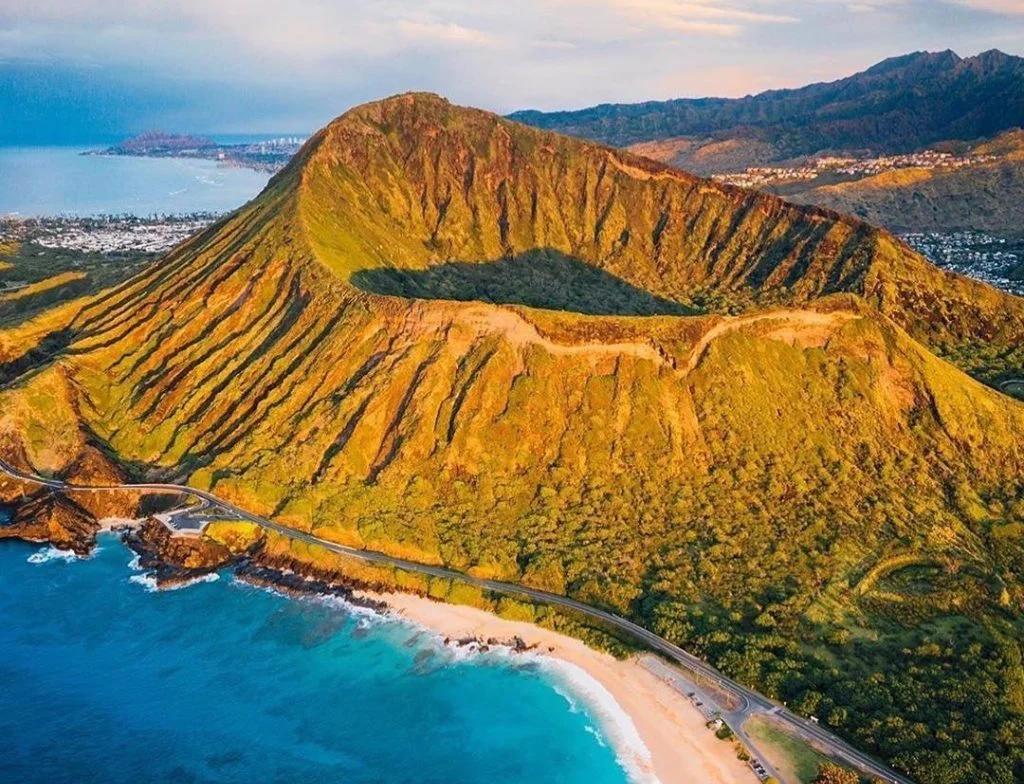
Koko Head District Park / Lookout
Sits at the ridge above Hanauma Bay and offers a wide coastal view, a quick stop for orientation before heading down to the water.
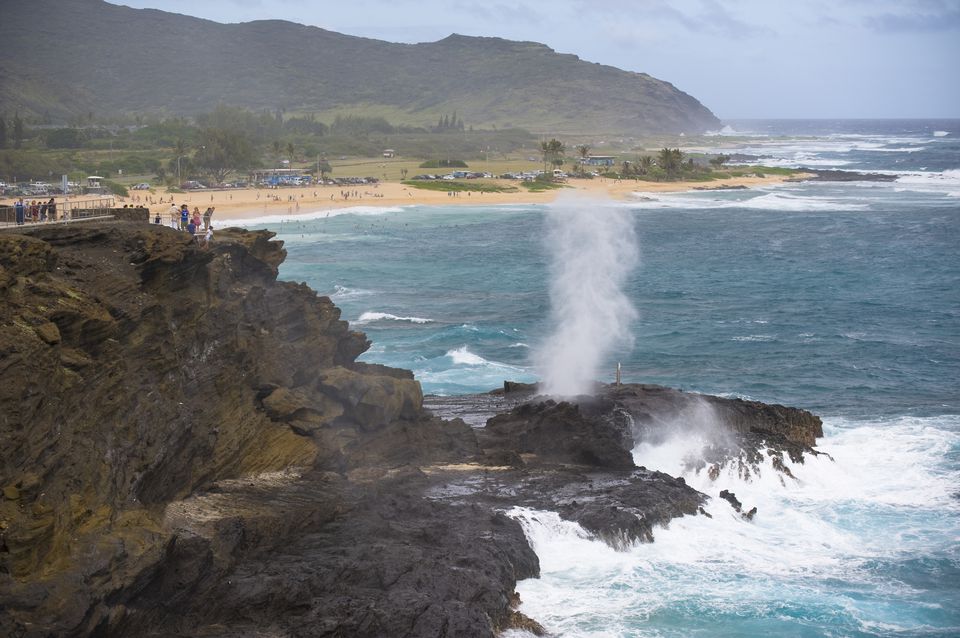
Halona Blowhole Lookout
A small roadside lookout along Kalanianaole Highway where a lava tube vents ocean spray, an easy add-on along the same coastal road.
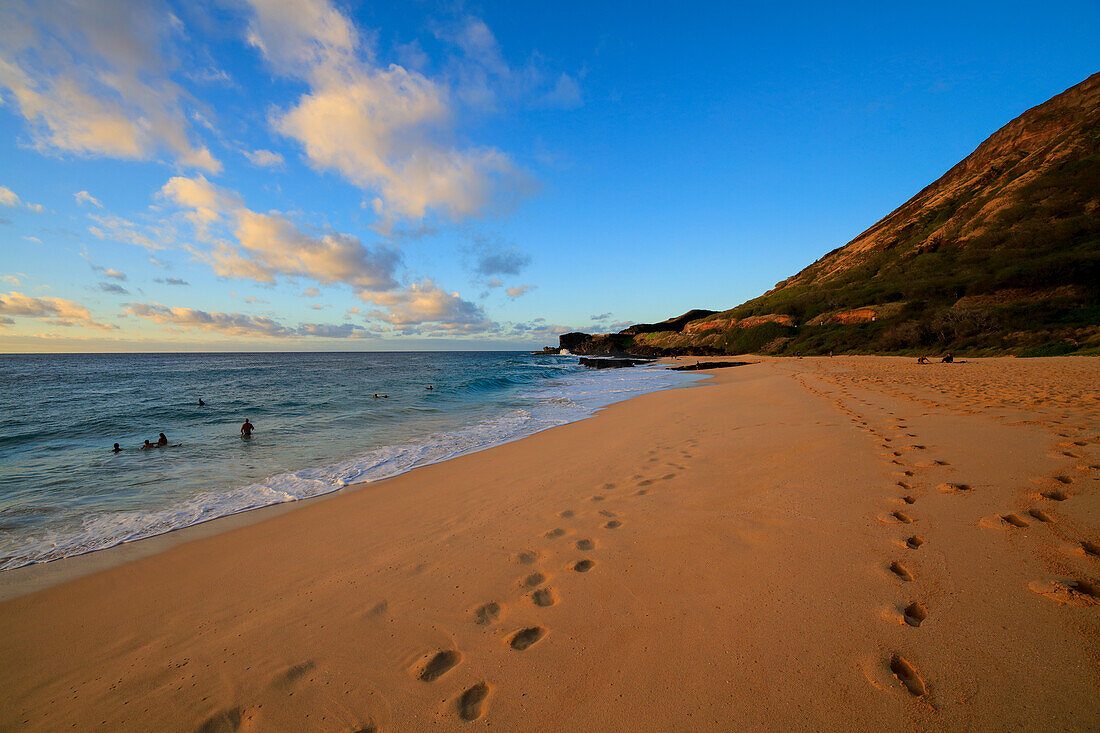
Sandy Beach Park
A bodyboarding and picnic beach further along the coast, a good option for a second stop later in the day once the bay gets crowded.
Check availability
FAQ: Best Snorkeling on Oahu in Winter
Everything you need to know about best snorkeling on oahu in winter