

Quick answer
Hanauma Bay Nature Preserve ranks as Oahu's premier snorkeling destination, open Wednesday through Sunday from 06:45 to 16:00 with a 25 USD conservation fee per adult. Arrive between 06:45 and 10:00 for the clearest water and parking availability. Shark's Cove on the North Shore and Electric Beach near Ko Olina offer year-round alternatives with no entrance fees, though winter swells close northern sites from October through April.
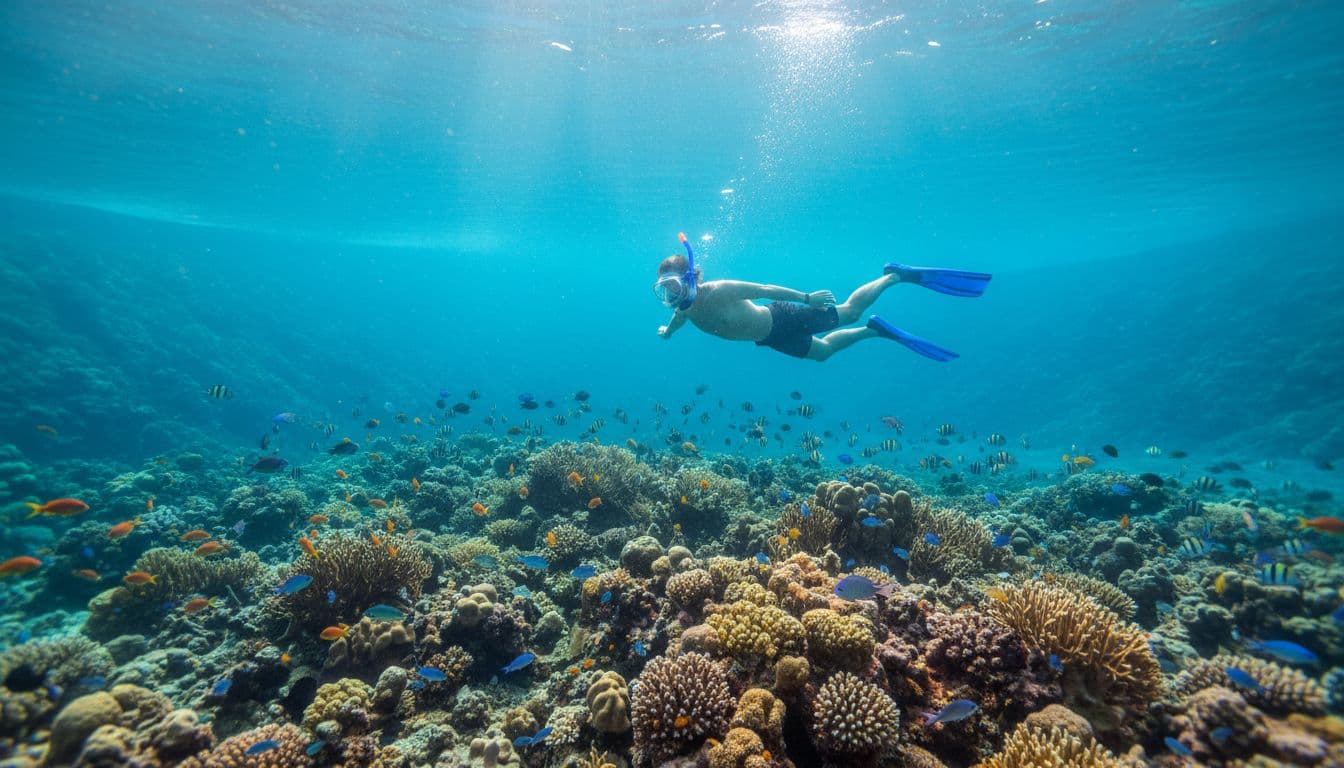
Hanauma Bay receives more than 3,000 visitors on peak days, yet its submerged volcanic crater holds over 400 species of fish within a protected marine life conservation district that has banned fishing since 1967. The reef's health depends on visitor caps and mandatory education—every first-time guest watches a nine-minute conservation briefing before descending the paved path to the sand. Oahu snorkeling beaches split by season and shore. The island's southeastern and leeward coasts—Hanauma Bay, Shark's Cove during summer, and the artificial reef at Electric Beach—offer calm conditions year-round or in their respective windows. Northern exposures like Shark's Cove and Pupukea tide pools turn glassy from May through September, then close under winter swells that draw big-wave surfers but bury the reefs in surge. The conservation fee at Hanauma Bay funds reef restoration, invasive species removal, and the shuttle that runs when the parking lot fills by mid-morning. That lot holds 300 vehicles; after 10:00 on weekends and holidays, expect a wait or a turn-away. Independent snorkelers should carry reef-safe sunscreen, a rash guard for sun protection, and a mesh bag for any trash encountered underwater. Hanauma Bay prohibits fins in the shallow inner reef to prevent coral damage, though they're permitted beyond the buoy line. Shark's Cove and Electric Beach allow fins throughout. Most guided snorkeling excursions on Oahu depart from Waikiki or Haleiwa, targeting offshore sites like Turtle Canyon or seasonal whale zones, and include gear, instruction, and transport. These tours suit beginners and those without a rental car, though the best shore-accessible reefs remain Hanauma Bay for biodiversity and Shark's Cove for summer clarity. Visibility peaks in the early morning before wind chop and runoff stir the water column. On Oahu's south and west shores, trade winds typically build after 11:00, reducing underwater clarity by early afternoon. The marine forecast and surf reports posted at each beach access point show current conditions—swell height, wind speed, and water temperature—that determine whether a site is swimmable on a given day. Lifeguards at Hanauma Bay, Shark's Cove, and Electric Beach close the water when conditions deteriorate, and those closures are non-negotiable.
“Hanauma Bay's submerged crater holds over 400 fish species within a conservation district that has banned fishing since 1967.”
Best Time for Snorkeling on Oahu — Season and Time of Day
The single best window is a summer weekday morning between 06:45 and 10:00, when south and east shore reefs are calmest and protected bays haven't yet filled with the day's crowds. Season sets which coast is swimmable; time of day sets how clear and uncrowded it is.
Winter (Nov-Mar)
North Shore rough, avoidAir 75-80°F, big north swells, choppy
North Shore snorkeling turns hazardous with large surf, so visits shift to south and east shore sites, which stay comparatively calm this time of year.
Summer (May-Sep)
North Shore calmer, more visitorsAir 82-88°F, flat north swells, warm water
North Shore spots become swimmable and calm, while south and east shore reefs can see occasional south swells that stir up visibility.
Morning window 06:45-10:00
Lowest crowds, clearer water— (varies by season, see above)
Arriving at open gives the clearest water before wind picks up and before parking and crowds build through midday.
Midday to afternoon
Heaviest crowds, busiest lotsWater often choppier from onshore wind
Wind and boat or swimmer traffic tend to cloud the water, and lots at popular reef sites fill, pushing later arrivals to alternate spots.
Weekdays vs weekends
Weekdays notably quieter— (same seasonal patterns apply)
Weekend crowds run heavier at every protected reef site, so a weekday morning compounds the seasonal advantage.
Verdict: A summer weekday, arriving in the 06:45-10:00 window, gives the calmest water and thinnest crowds across Oahu's protected reef sites.
Best Snorkeling on Oahu — Top Beaches and Protected Reefs
Oahu's south and west shores hold a handful of named reefs and coves that consistently rank as the island's top snorkeling spots, each with a distinct reef structure and marine life mix. Independent swimmers and guided tour groups tend to favor different sites depending on visibility, current, and the kind of reef they want to see.
Hanauma Bay Nature Preserve
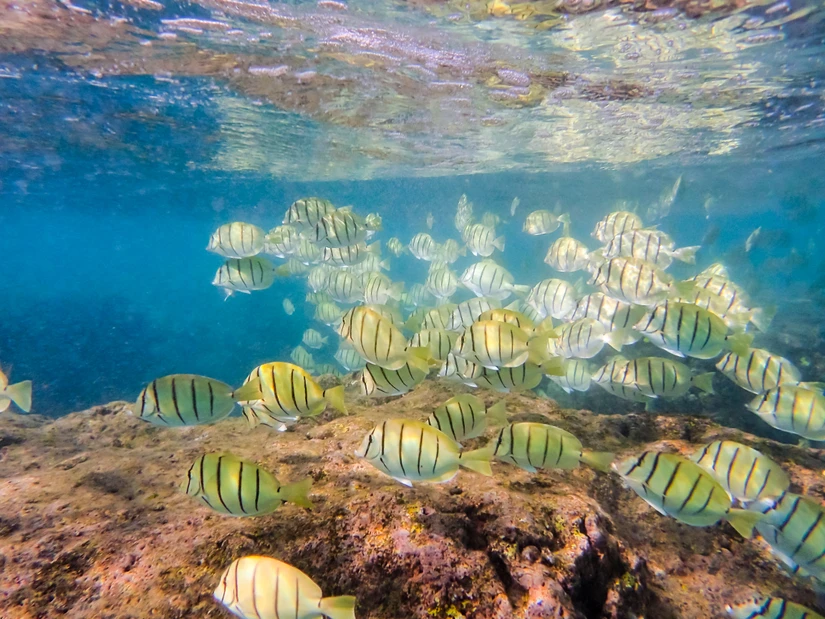
A volcanic crater bay in Honolulu protected as a marine life conservation area, with a shallow inner reef flat that shelters parrotfish, tangs, and green sea turtles.
Snorkel the inner reef edge, not the sandy center.
Shark's Cove
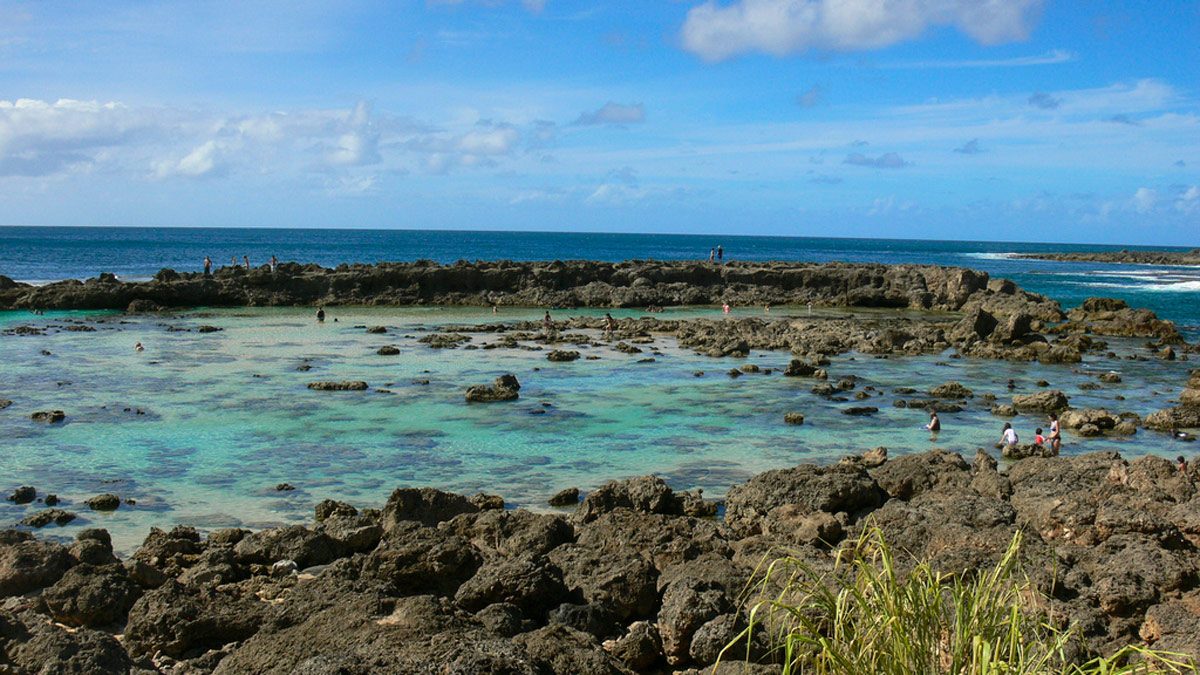
A lava-rock cove on the North Shore known for calm, pool-like conditions in summer and a rocky reef with eels, octopus, and juvenile fish hiding in crevices.
Peer into rock crevices at low tide for eels.
Electric Beach (Kahe Point)
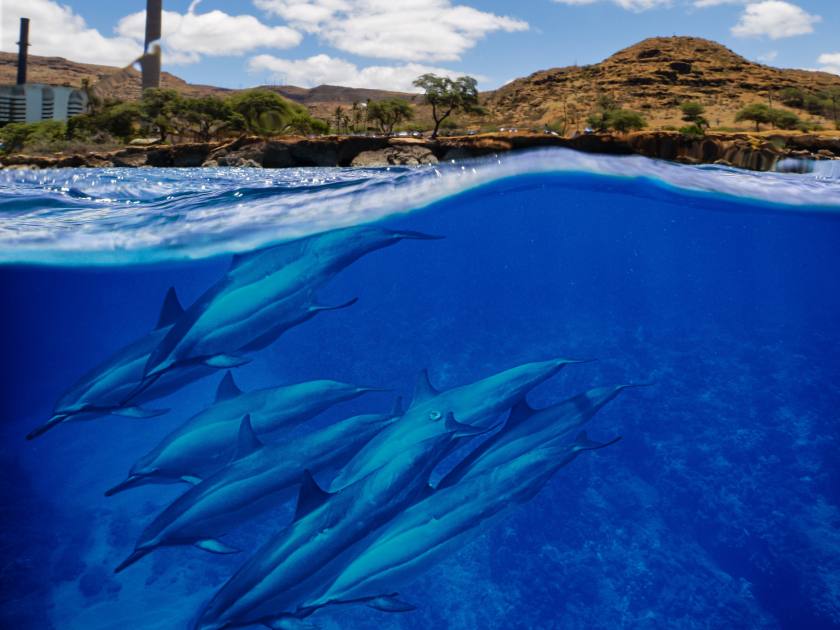
A stretch of shoreline near the Kahe Point power plant where warm water discharge draws spinner dolphins and large schools of reef fish year-round.
Watch the outflow channel at midday for dolphin pods.
Turtle Canyon
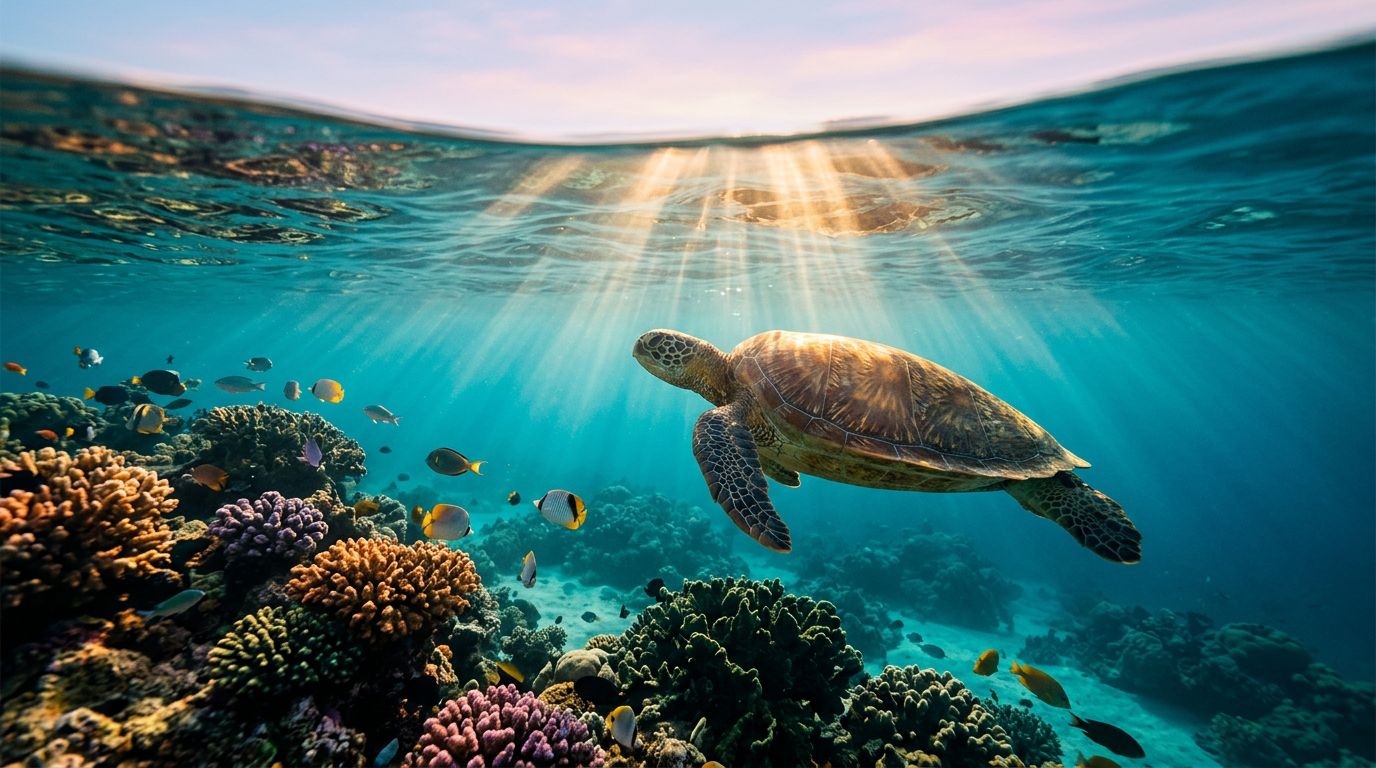
A reef zone roughly a half mile off Waikiki Beach where green sea turtles regularly rest on ledges amid a mix of coral heads and sandy channels.
Look for turtles resting motionless on low coral ledges.
Ko Olina Lagoons
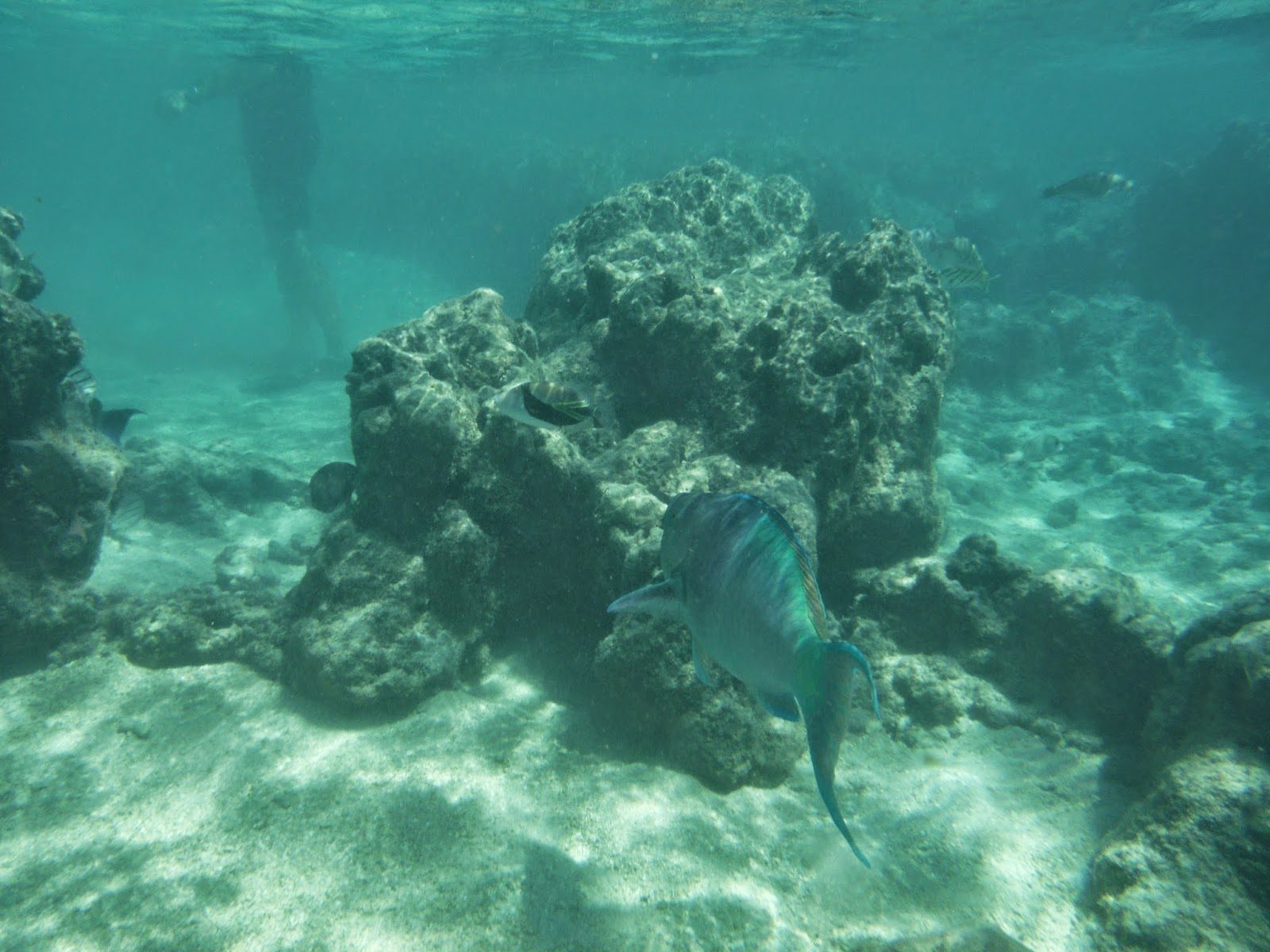
Four human-made, rock-walled lagoons on the Leeward Coast offering calm, shallow water with scattered coral patches suited to first-time snorkelers.
Enter near the rock wall where small fish cluster.
Hanauma Bay Snorkeling Hours — Best Snorkeling on Oahu Schedule
Hanauma Bay Nature Preserve is closed Monday and Tuesday for reef recovery, and open Wednesday through Sunday from 06:45 to 16:00.
| Monday | Closed | Reef recovery day |
|---|---|---|
| Tuesday | Closed | Reef recovery day |
| Wednesday | 06:45 – 16:00 | |
| Thursday | 06:45 – 16:00 | |
| Friday | 06:45 – 16:00 | |
| Saturday | 06:45 – 16:00 | |
| Sunday | 06:45 – 16:00 |
Best Snorkeling on Oahu — Entrance Fees and Conservation Costs
Admission at Hanauma Bay hinges on age and military status; every other beach on this list is free public shoreline access.
A typical adult pays the flat 25 USD conservation fee only at Hanauma Bay, and only age or military ID changes that amount.
Getting to the Best Snorkeling Spots on Oahu
Hanauma Bay sits on Oahu's southeast shore at 7455 Kalanianaʻole Hwy, about 30 minutes from Waikiki via a single coastal highway. The North Shore cluster and the Ko Olina lagoons sit in opposite directions from Honolulu, so most visitors pick one region per day rather than combining them.
H-1 East to Kalanianaʻole Hwy (Highway 72), Honolulu to Hanauma Bay
H-1 West to H-2 North to Kamehameha Hwy (Highway 83), Honolulu to Shark's Cove/Waimea Bay
H-1 West to Highway 92 (Kalaeloa Parkway), Honolulu to Ko Olina
TheBus Route 22 (Beach Bus), Waikiki to Hanauma Bay
Rideshare or taxi, Waikiki to Hanauma Bay
Planning Your Day — Best Snorkeling on Oahu Itinerary
A sample single-day plan for independent snorkelers targeting Hanauma Bay's best conditions, plus an optional multi-day route adding a north or west shore site. Times reflect the 06:45–10:00 arrival window and realistic transit between zones.
Arrive at Hanauma Bay
Gate opens; claim parking and pay the $25 conservation fee before the lot fills. Expect a short orientation video, then descend to the beach.
Snorkel the Inner Reef
Spend 2–3 hours in calm, clear water along the keyhole and Witches Brew channels. Visibility peaks before midday chop and afternoon crowds.
Depart and Rinse Gear
Use the outdoor showers and return rental equipment if applicable. Drive time to town is roughly 30 minutes.
Optional Second Site (Same Day)
If energy allows, head to Electric Beach or Shark's Cove for a second shorter session; factor 45–60 minutes drive each way.
North Shore Morning
Visit Shark's Cove or Three Tables early, when surge is low. Arrive by 08:00 for parking and calmer entry conditions.
Leeward Coast Add-On
Explore Ko Olina lagoons or Electric Beach on the return; both are accessible year-round and offer different reef topography.
Snorkeling Etiquette Rules for Oahu's Protected Reefs
Hanauma Bay and other marine preserves enforce strict conduct rules to protect coral ecosystems. All visitors must watch a mandatory orientation video before entry.
Do
- Use reef-safe sunscreen (non-nano zinc oxide or titanium dioxide only)
- Stay at least 10 feet away from sea turtles
- Swim above coral—never stand, sit, or touch formations
- Report injured marine life to lifeguards or park staff
- Follow the mandatory orientation video instructions at Hanauma Bay
- Keep a safe distance when observing fish and marine animals
Don't
- Feed fish or any marine wildlife
- Touch, stand on, or kick coral reefs with fins
- Wear chemical sunscreens containing oxybenzone or octinoxate
- Chase, corner, or attempt to touch sea turtles
- Collect shells, rocks, or coral fragments from protected areas
- Skip the required orientation video at Hanauma Bay
Best Snorkeling on Oahu — What to Pack and Book Ahead
Here's what to arrange and pack before heading to Oahu's reefs.
-
Reserve Hanauma Bay entry online — The bay requires advance reservations and fills quickly, especially Wednesday through Sunday.
-
Check surf and wind forecasts — High surf or onshore winds reduce visibility and can make entries unsafe at exposed beaches.
-
Pack or rent mask, snorkel, and fins — Rental shops near Hanauma Bay and other beaches stock gear; bringing your own ensures proper fit.
-
Bring reef-safe sunscreen — Hawaii law bans oxybenzone and octinoxate; mineral-based formulas protect you without damaging coral.
-
Wear water shoes for rocky entries — Many Oahu snorkel sites have lava rock or coral rubble underfoot at the shoreline.
-
Carry a dry bag for valuables — Beach parking areas see occasional break-ins; keep keys, wallets, and phones in a sealed waterproof bag you can take into the water.
Check availability
FAQs: Best Snorkeling on Oahu
Everything you need to know about best snorkeling on oahu