3 h
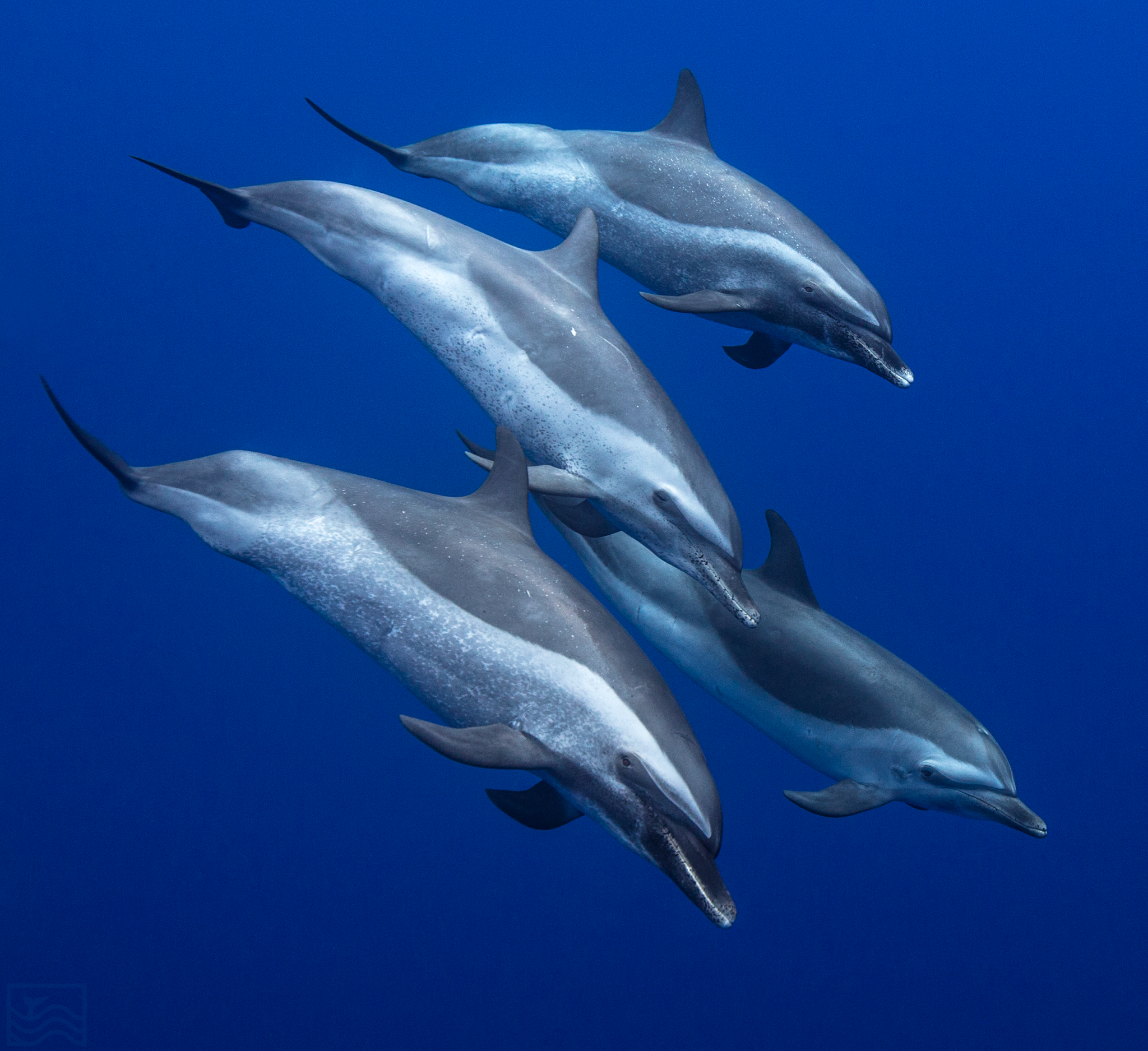
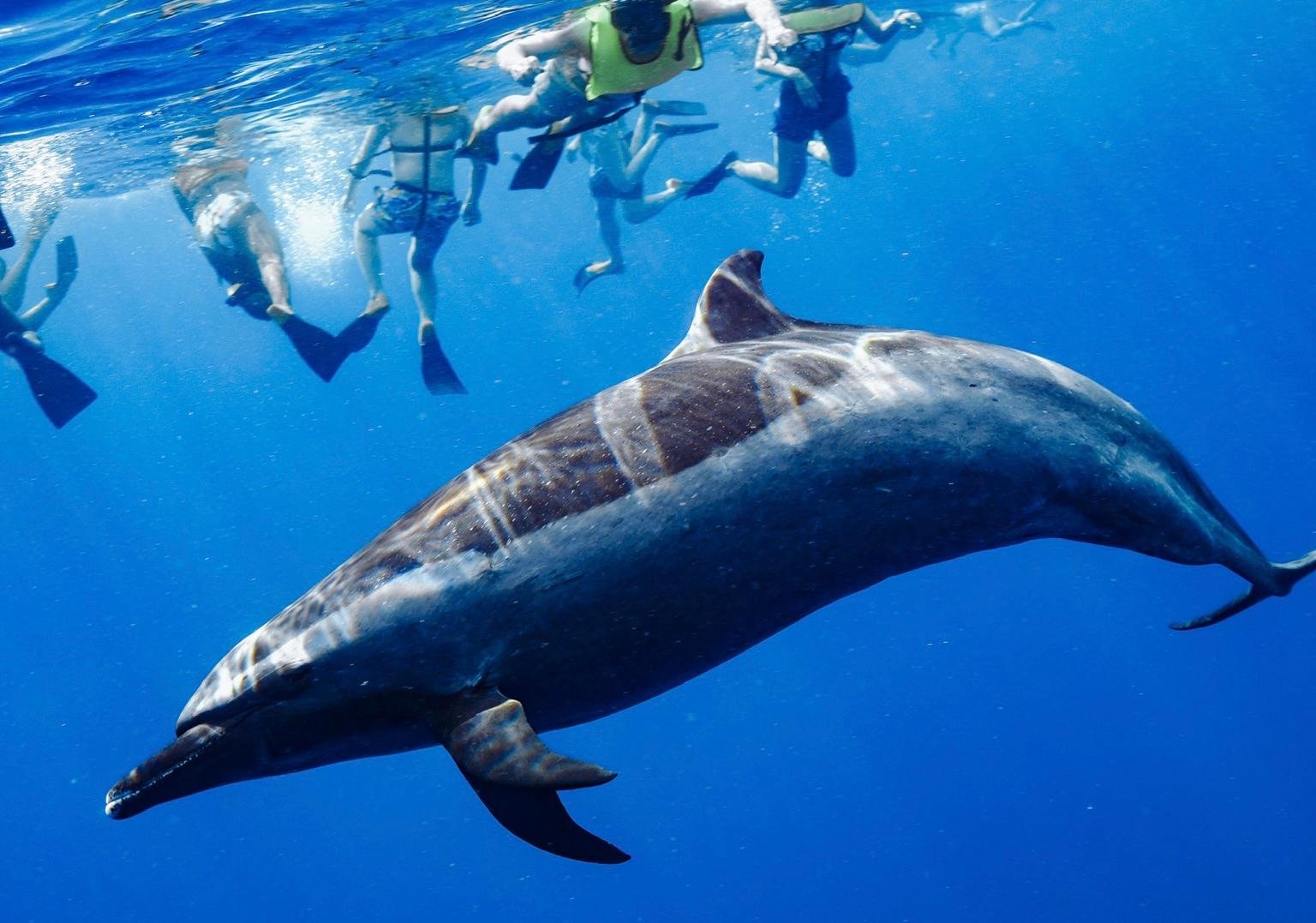
Wild Dolphin & Sea Turtle Snorkeling Adventure from Oahu
- Biglietto d'ingresso
- Voucher mobile
- Valido lo stesso giorno
- Cancellazione gratuita
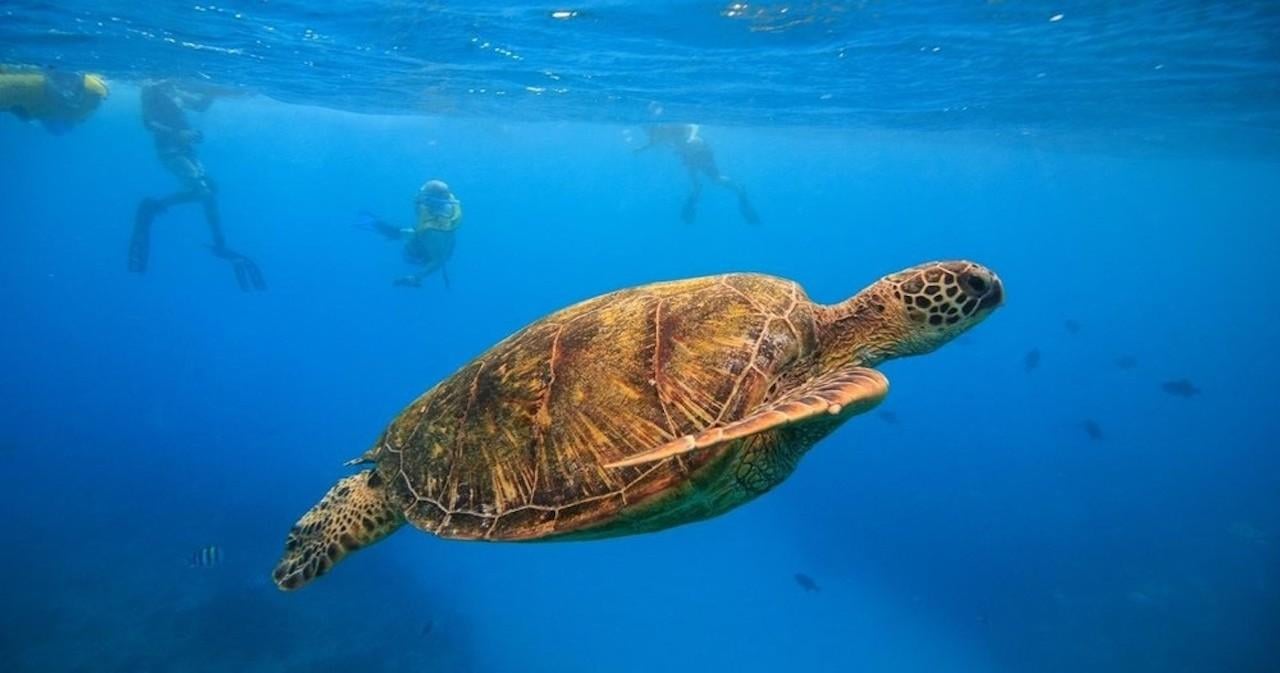
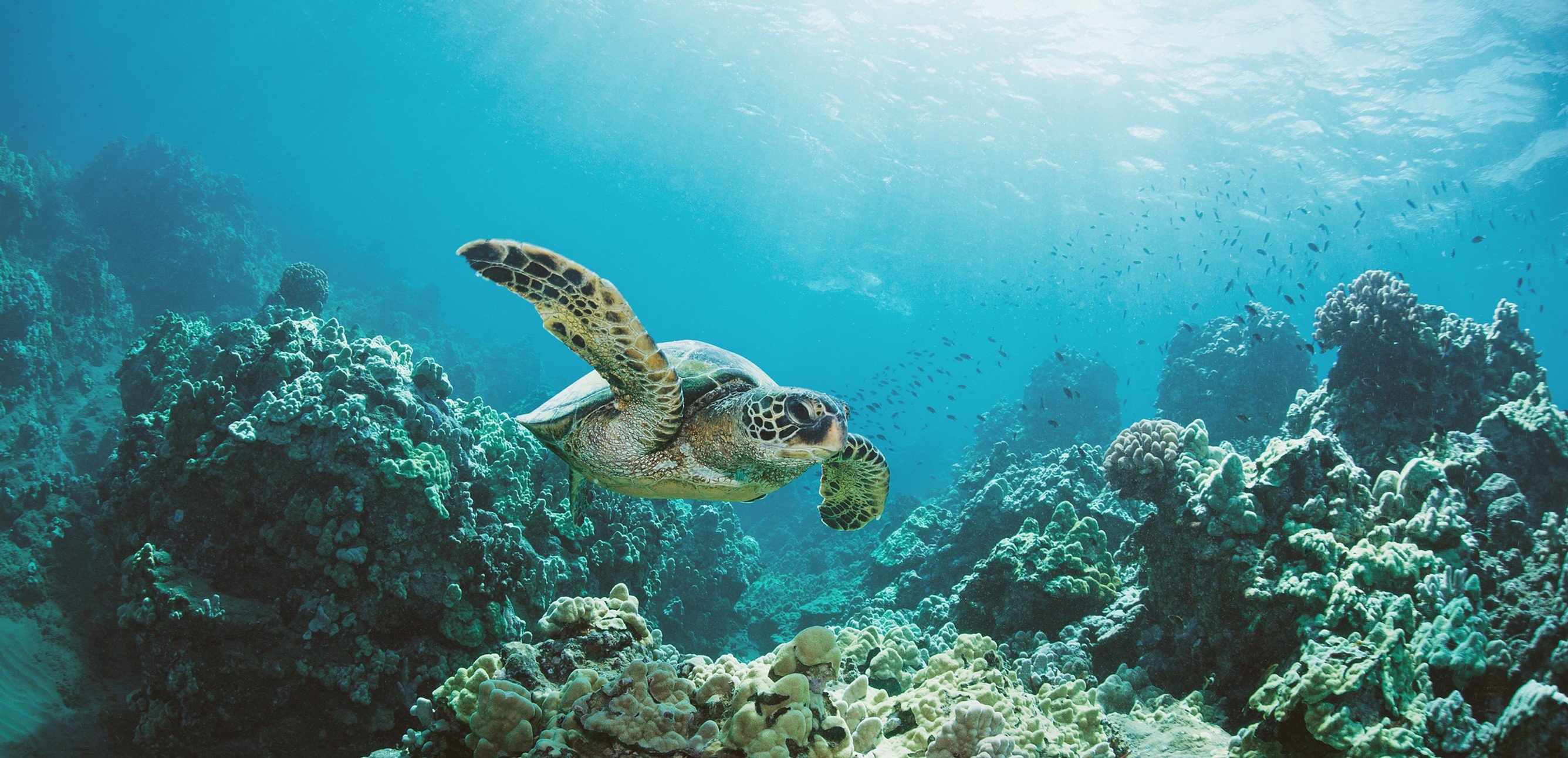
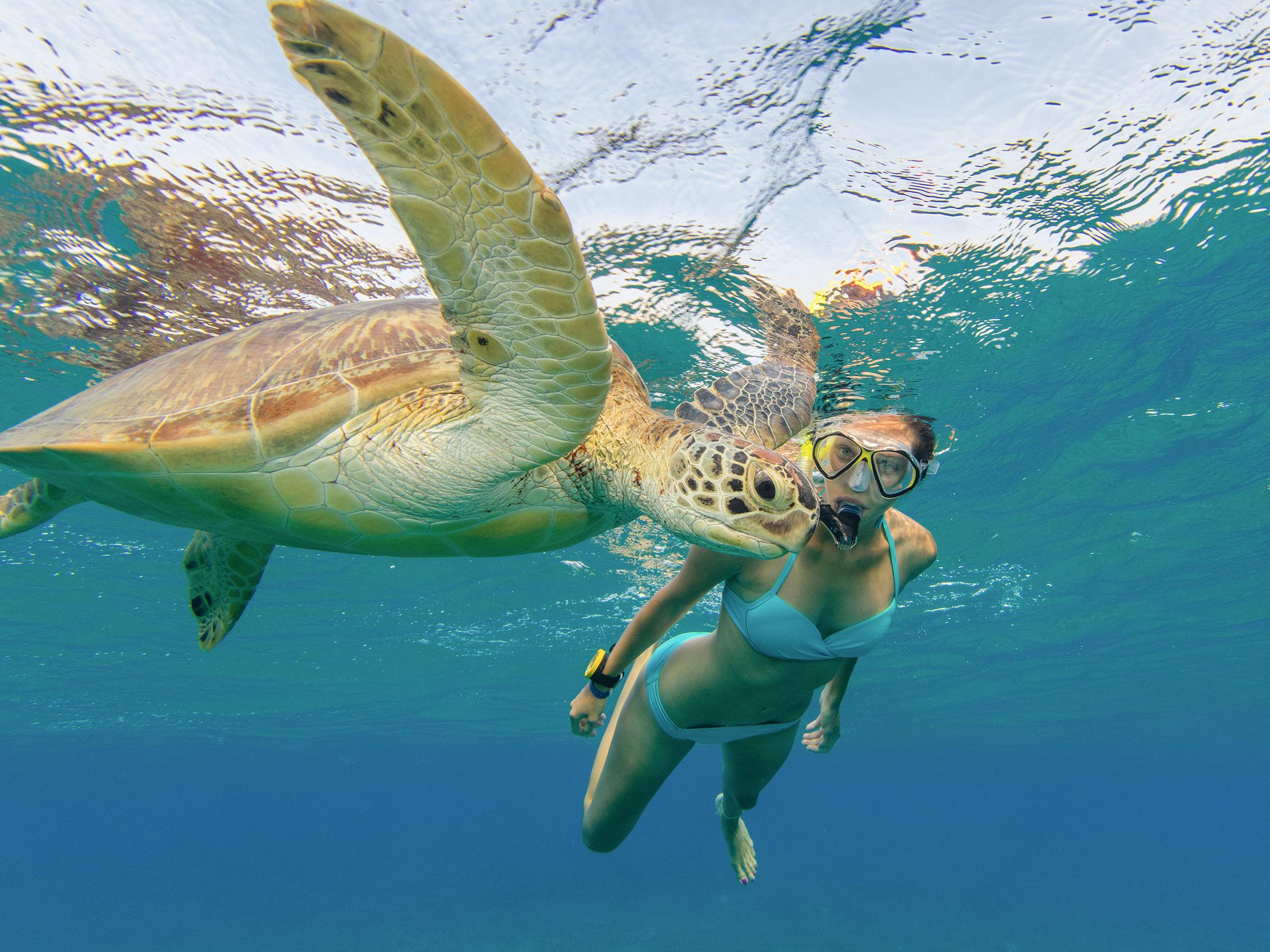
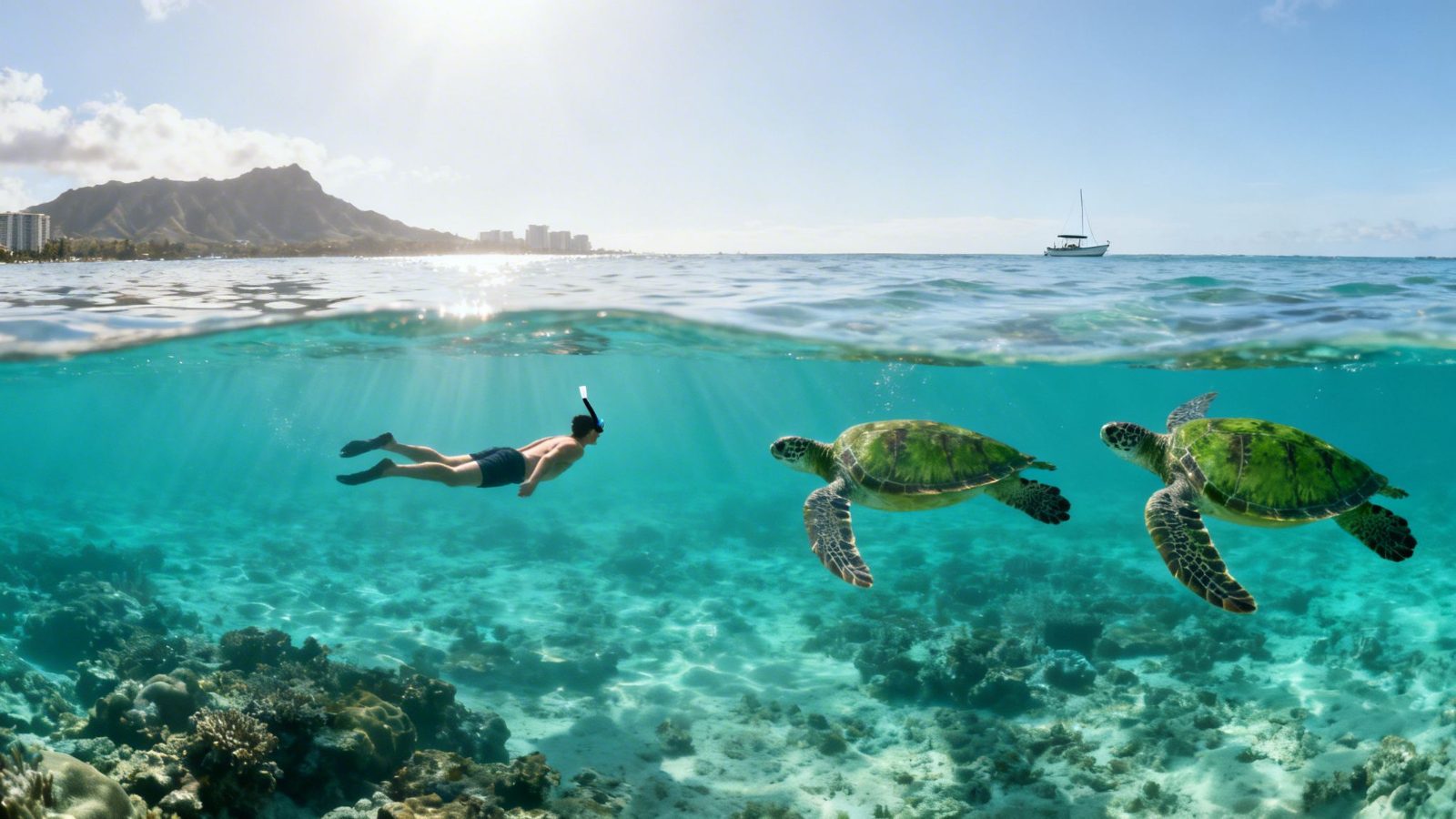
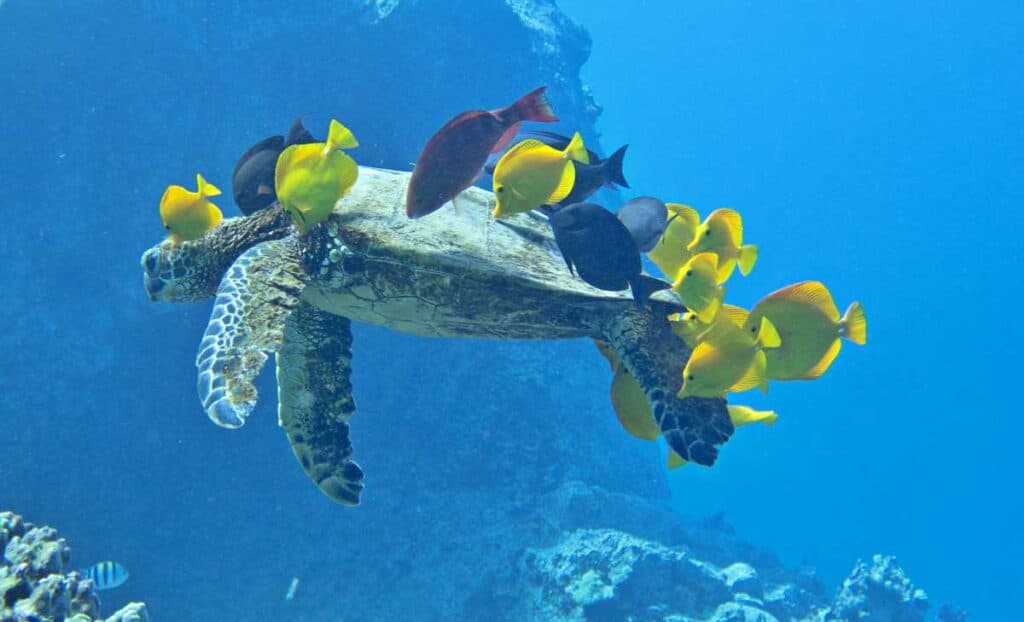
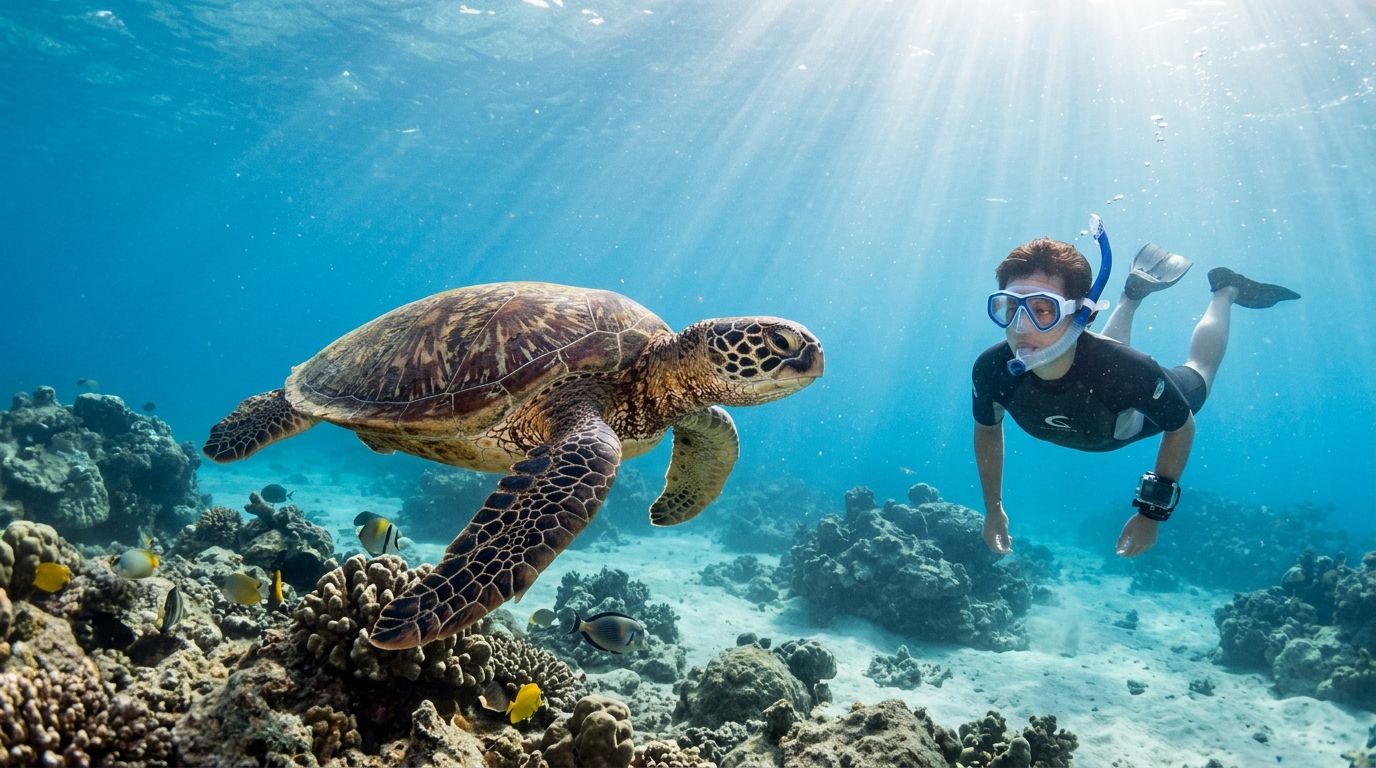
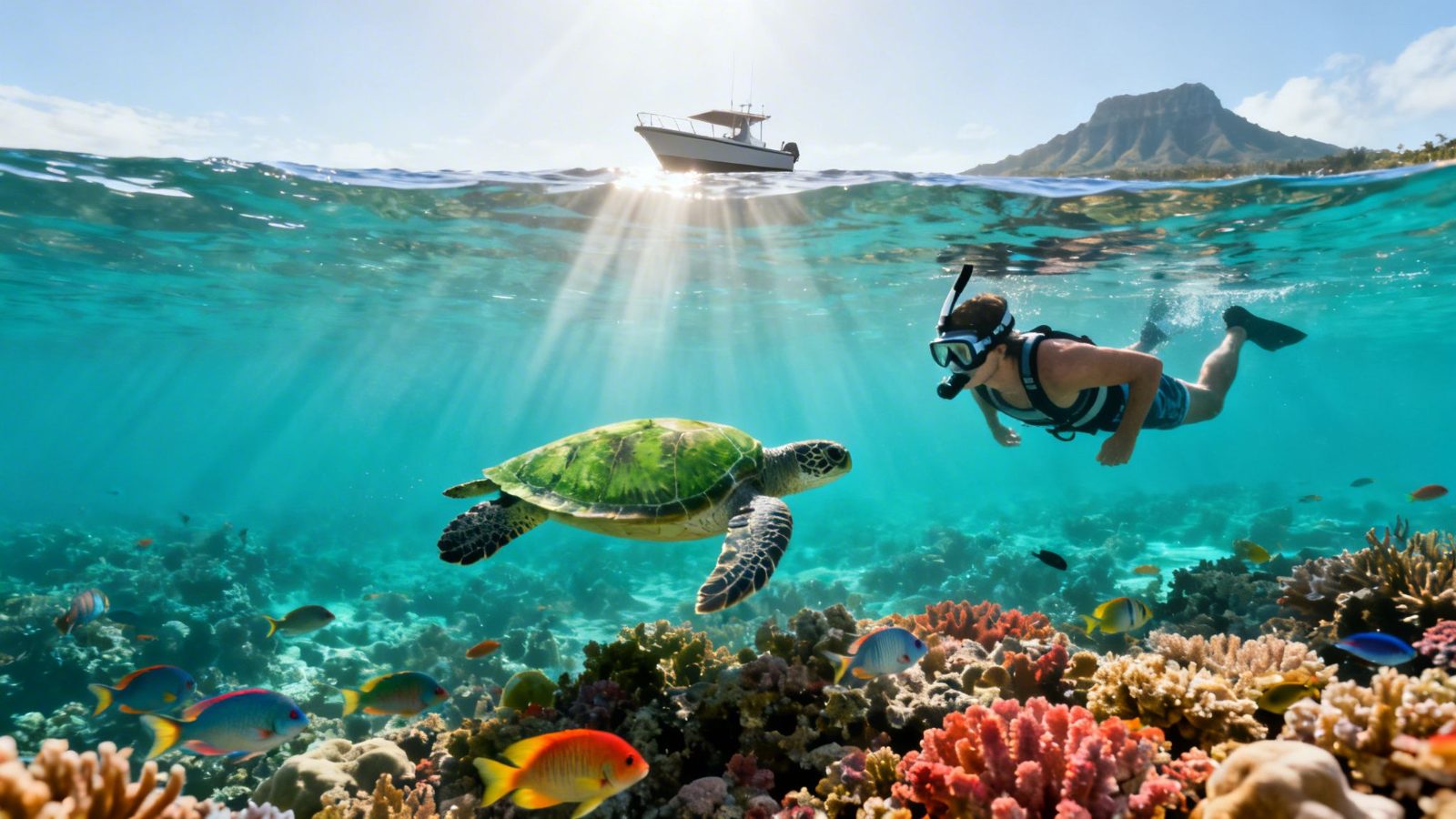
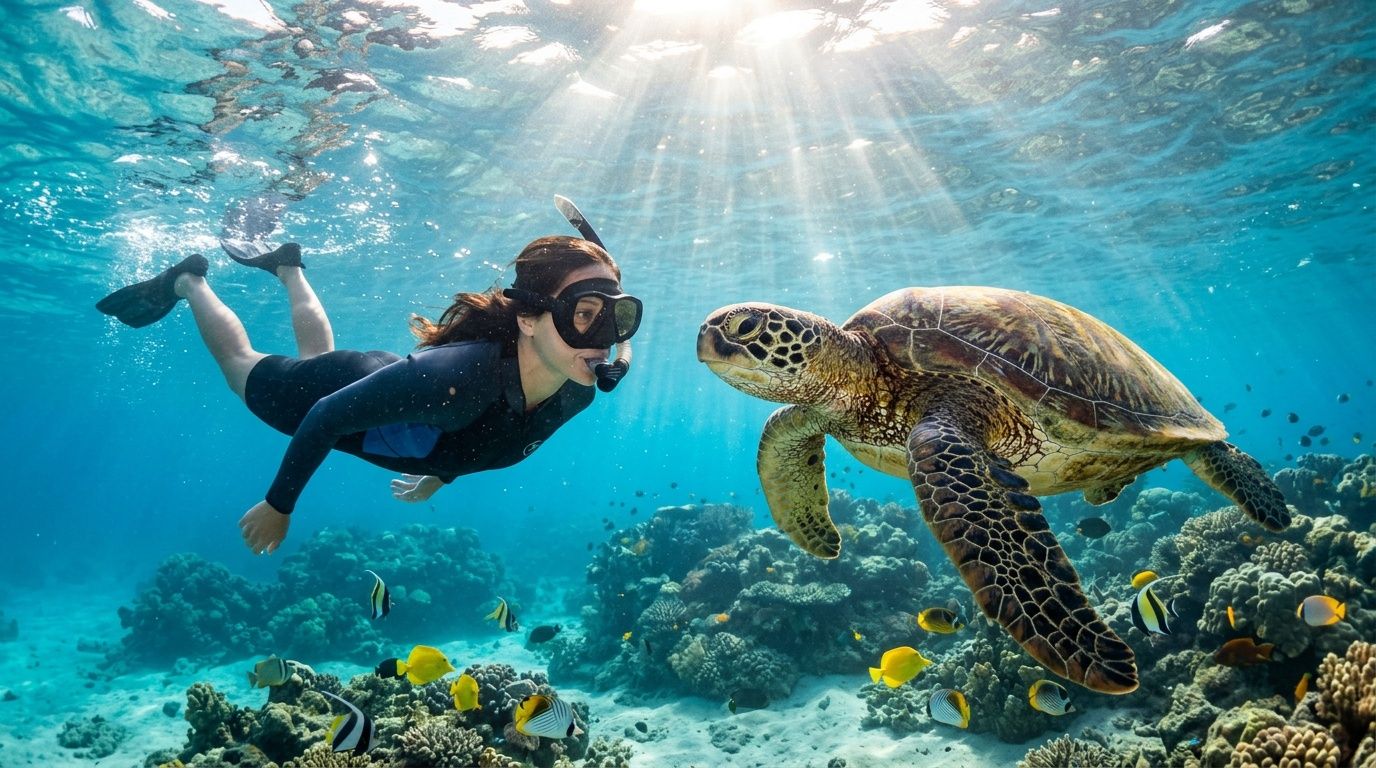
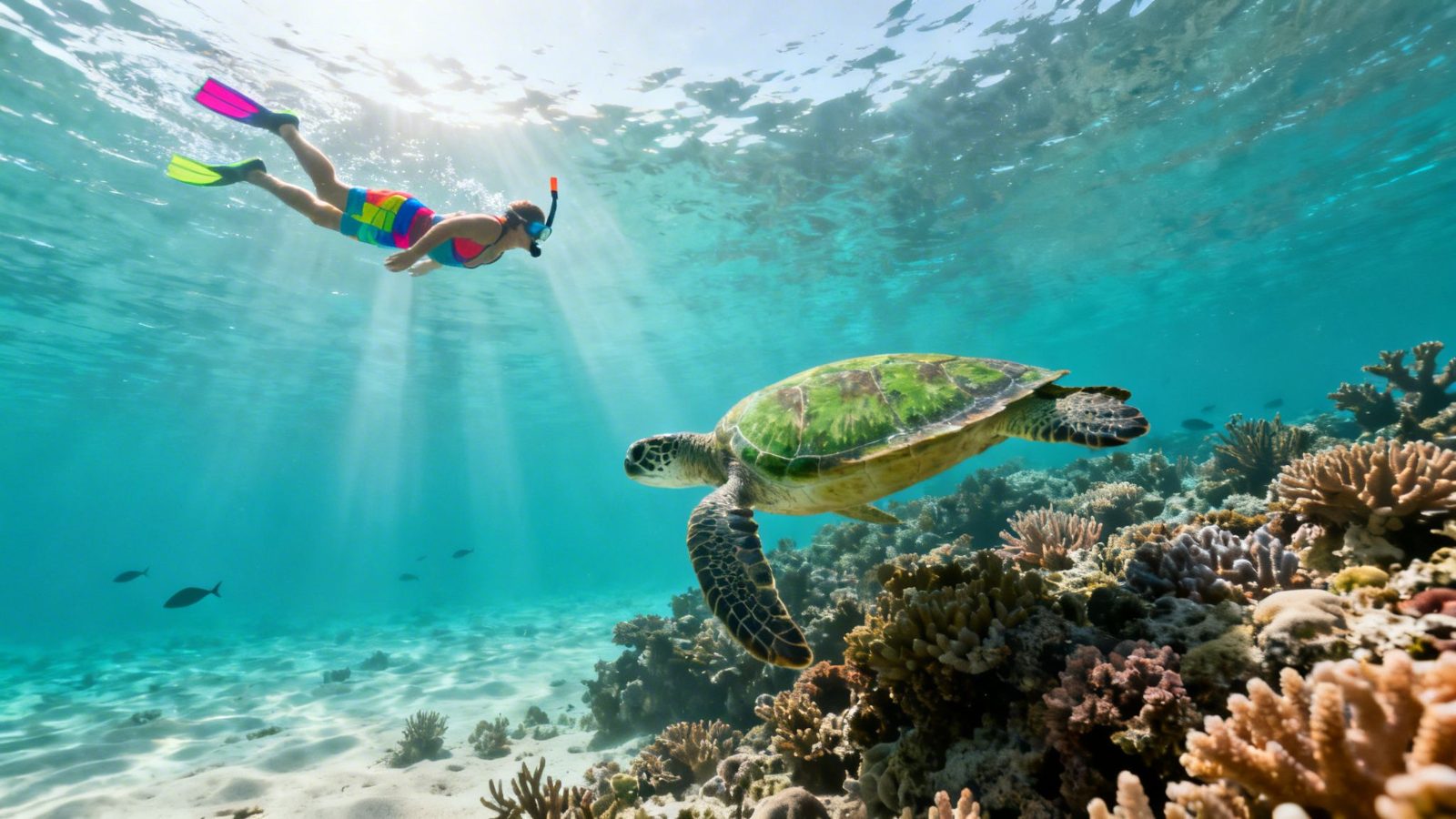
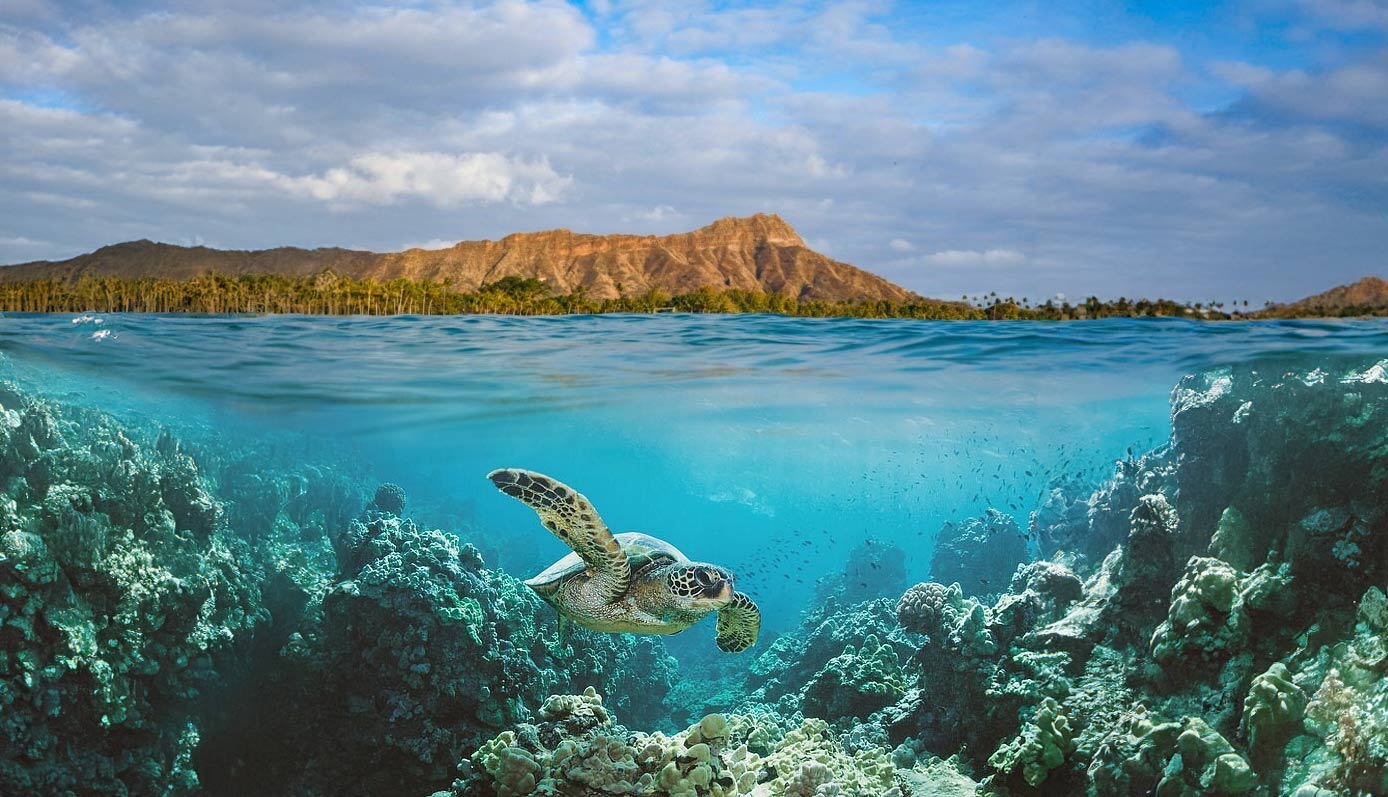
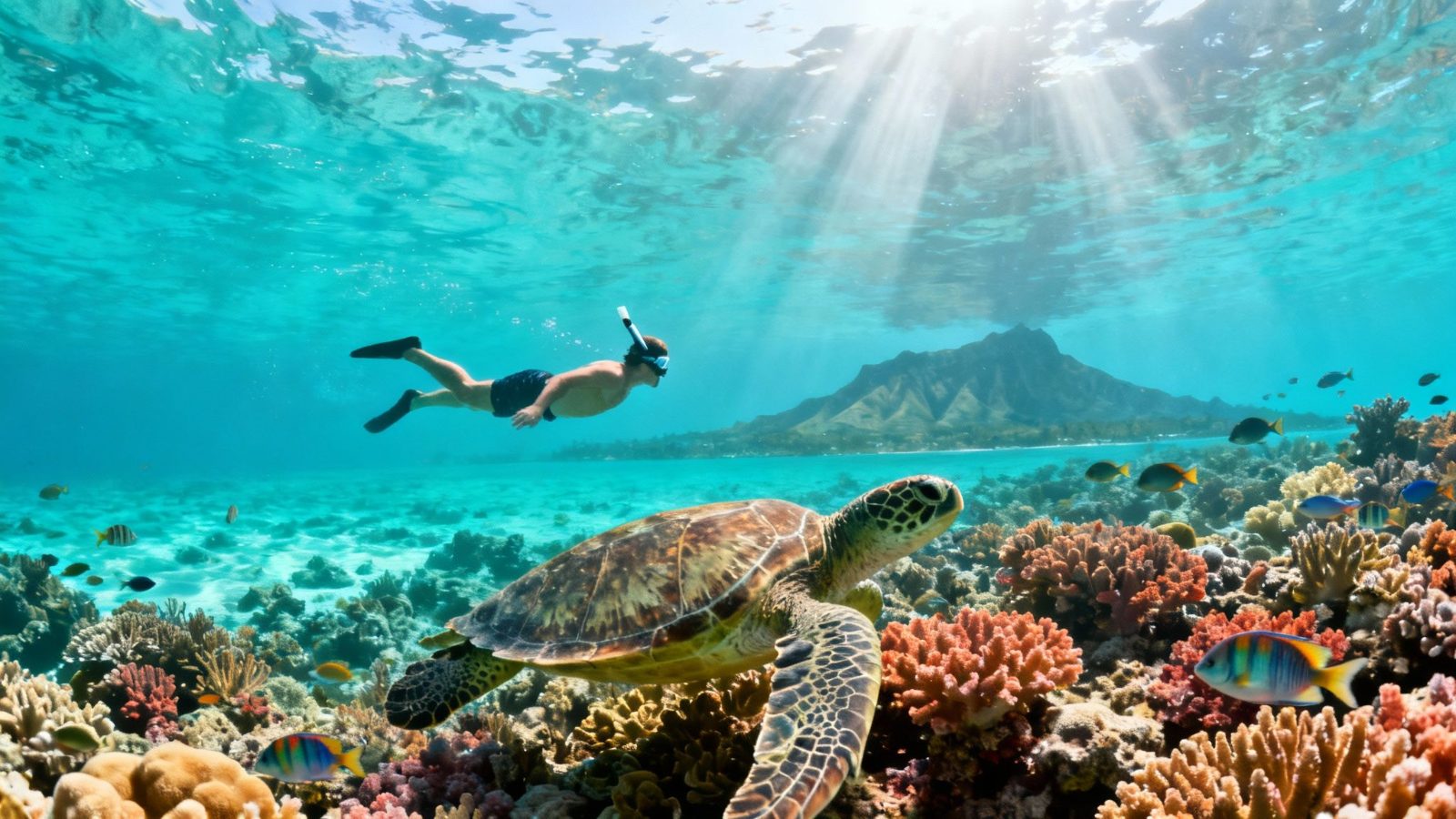
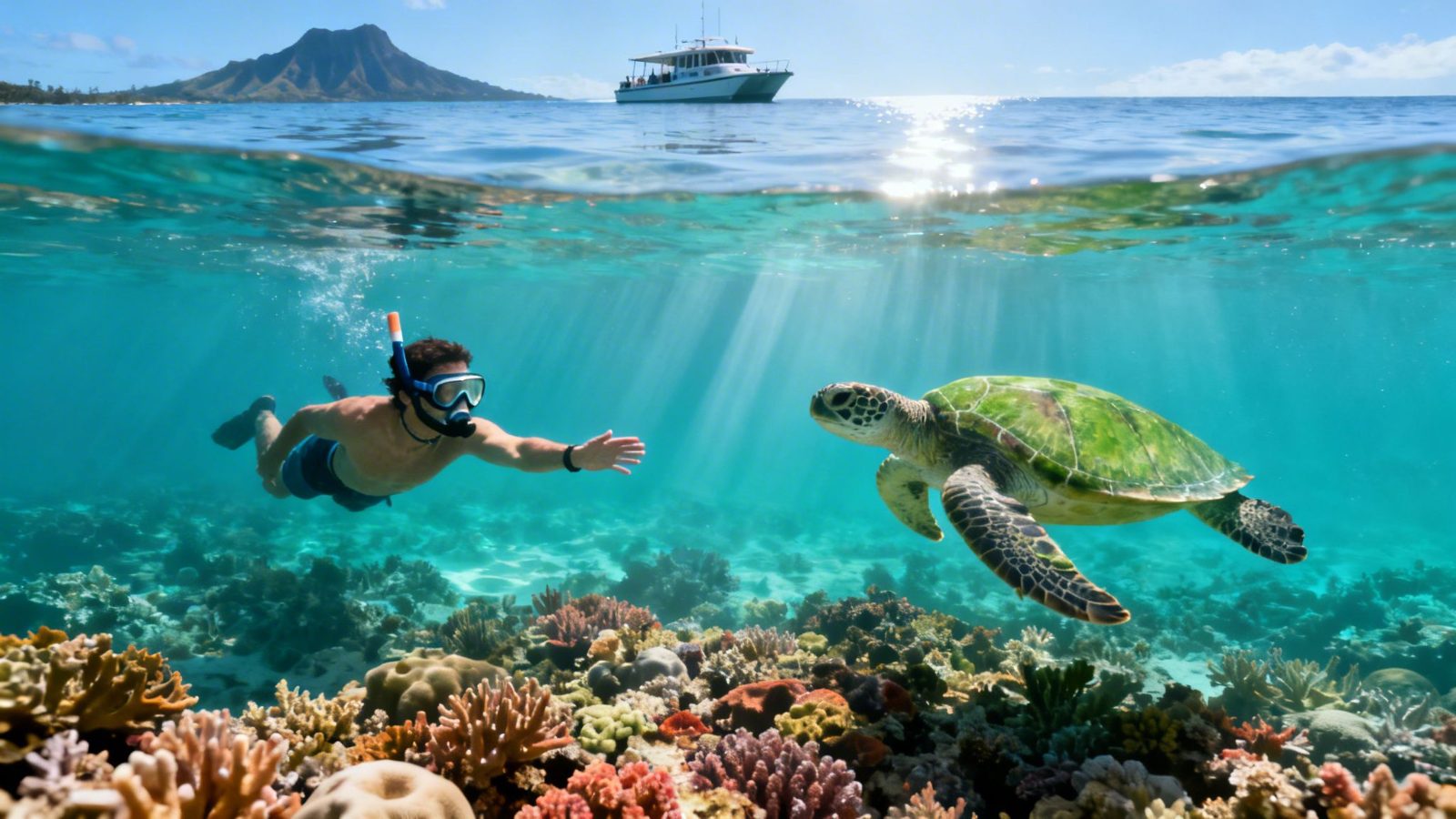
Green sea turtles beneath the surface, calm morning waters off Honolulu's reef.
Confronta le tariffe e scegli quella giusta — tutte le prenotazioni includono voucher mobile e cancellazione gratuita dove indicato.
3 h
2 h
2 h 30 min
| Esperienza | Da | Durata | Valutazione | Ritiro | Piccolo gruppo | Cancellazione | Prezzo | |
|---|---|---|---|---|---|---|---|---|
|
Ingresso standard
Più popolare
Wild Dolphin & Sea Turtle Snorkeling Adventure from Oahu
|
Oahu | 3 h | ★ 4.8 | ✓ | ✓ | ✓ | €170 | Prenota → |
|
Ingresso standard
Waikiki Turtle Canyons Snorkeling Cruise
|
— | 2 h | ★ 4.7 | — | ✓ | ✓ | €78 | Prenota → |
|
Ingresso standard
Turtle Canyon Snorkeling & Sailing Adventure on Hāwea Catamaran
|
— | 2 h 30 min | ★ 4.7 | — | ✓ | ✓ | €74 | Prenota → |
Worth it for reliable turtle encounters
Turtle snorkeling on Oahu delivers genuine value despite ocean access being free. While you can enter the water at no cost from shore, guided tours ($60–$120 per person) provide boat transport to Turtle Canyon off Waikiki, where green sea turtles congregate reliably year-round. Tours include snorkel gear, instruction, and guides who know exactly where turtles are feeding that day—eliminating the guesswork of beach entry. Visibility at the marine sanctuary typically exceeds 30 feet, and most participants see 3–6 turtles per outing. For non-swimmers or families with young children, the guided format adds confidence. Tours also handle logistics: parking near shore access points costs $3–$10, and renting quality snorkel gear separately runs $15–$25. The upcharge buys reliability—turtle sightings on DIY attempts depend heavily on tide, season, and luck. If your Oahu stay is short or this is your only planned ocean experience, turtle snorkeling on oahu tours justify the cost through guaranteed access and high success rates.
Bottom line: Pay for the tour if you want reliable turtle encounters without the gamble of DIY beach snorkeling.
Most visitors comparing turtle snorkeling on Oahu with Hanauma Bay Nature Preserve choose Turtle Canyon for reliable turtle encounters, while Hanauma Bay wins for reef fish variety and calmer beginner conditions.
|
Top pick Turtle Canyon (Waikiki) |
Hanauma Bay Nature Preserve | |
|---|---|---|
| Main draw | Green sea turtles | Reef fish, coral reef |
| Turtle sighting odds | High — resident turtle population | Low — turtles are occasional visitors |
| Access | Boat tour from Waikiki | Drive or shuttle to East Oahu crater |
| Entry fee | Free public waters (tours priced separately) | Timed-entry reservation fee for non-residents |
| Booking requirement | Private tour booking required | Online reservation slot required |
| Reservation days | Available daily | Closed Monday and Tuesday |
| Distance from Waikiki | At Waikiki, no transfer needed | About 30-40 minutes by car |
| Water conditions | Open ocean, moderate depth | Shallow, calmer, beginner-friendly |
| Best suited for | Turtle-focused snorkelers, boat tour fans | First-time snorkelers, families wanting reef variety |
| See tickets & prices |
Verdict: Choose Turtle Canyon for dependable turtle sightings on a boat tour, and Hanauma Bay for a calmer, reservation-based reef experience with less turtle certainty.
Esperienze selezionate amate da migliaia di viaggiatori
1.5 hours
Cancellazione gratuita
Swim alongside Hawaiian green sea turtles at one of Oahu's premier snorkeling spots, just minutes offshore
2 hours
Cancellazione gratuita
Discover vibrant coral reefs and swim alongside green sea turtles in crystal-clear Hawaiian waters
2 hours
Cancellazione gratuita
Sail a pink catamaran along Oahu's coast and snorkel with Hawaiian green sea turtles in crystal-clear waters.
2 hours
Cancellazione gratuita
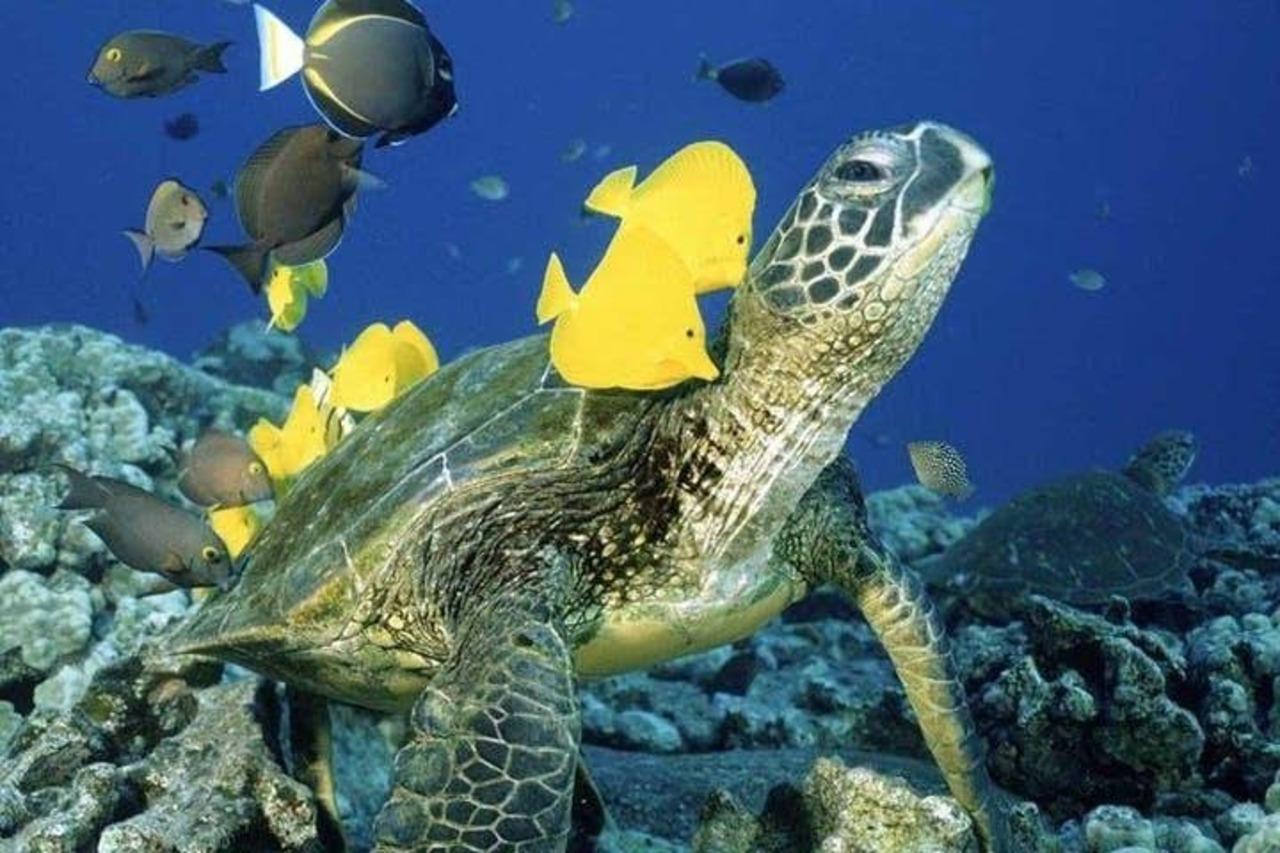
Swim with Hawaiian green sea turtles at their favorite cleaning station on a small-group boat tour
3 hours 30 minutes
Cancellazione gratuita
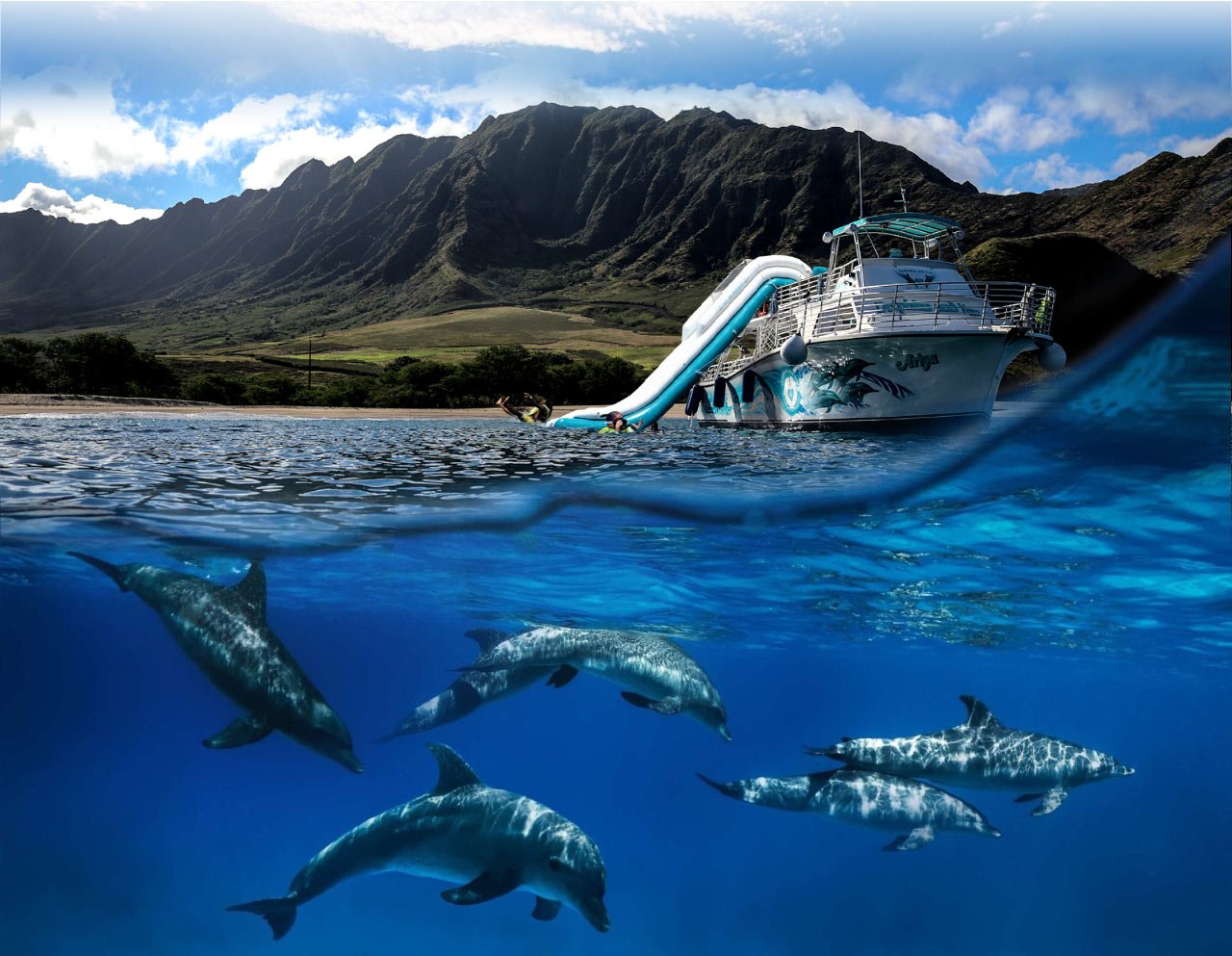
Snorkel with dolphins and sea turtles off Oahu's west coast, plus waterslide, lunch, and ocean toys
3 hours
Cancellazione gratuita
Three-hour ocean excursion combining wild dolphin sightings, reef snorkeling, and thrilling onboard activities
3 hours
Cancellazione gratuita
Three-hour coastal voyage featuring wild dolphin encounters, turtle snorkeling, premium bar, and island lunch
2 hours
Cancellazione gratuita
Swim alongside Hawaiian green sea turtles and glide through crystal waters with electric scooters
Arrive at the harbor or beach desk to confirm booking and get gear fitted
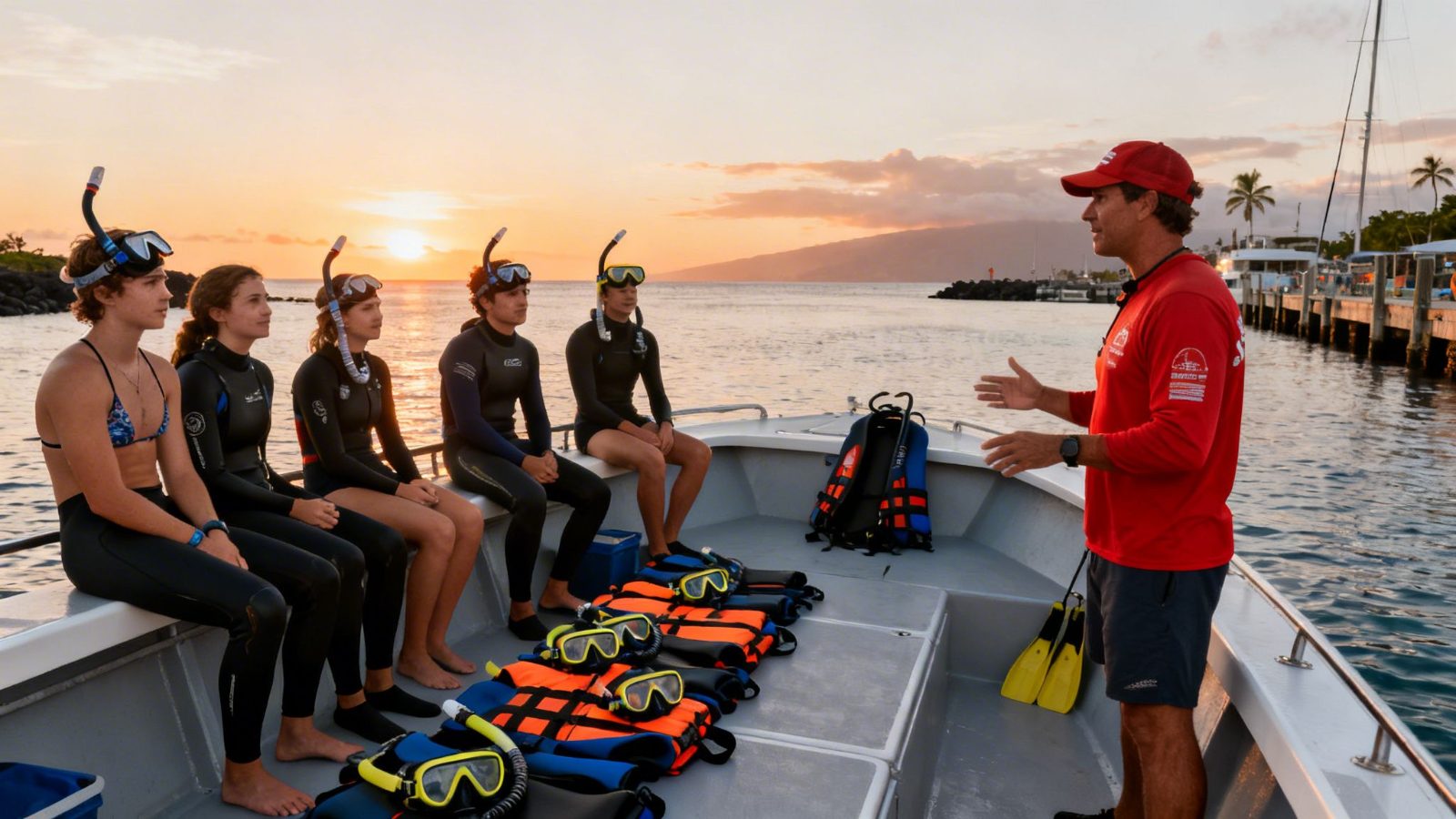
Crew explains mask, fin, and turtle-distance rules before boarding
Vessel motors roughly 1.5 miles offshore from Waikiki to the reef area
Guests enter the water in small groups to swim among green sea turtles and reef fish
Boat heads back to harbor while guests rinse gear and warm up
Return snorkel gear and disembark at the original meeting point
The core snorkel site sits roughly 1.5 miles off Waikiki in water 30 to 45 feet deep, where a rocky reef ledge draws resident green sea turtles year-round. Sightings of five or more turtles in a single outing are common on calm mornings.
Specific coral outcroppings within the canyon act as cleaning stations where surgeonfish pick algae off turtle shells, a symbiotic behavior visible to snorkelers hovering nearby. These stations shift slightly season to season as coral growth changes.
The open-water channel between Waikiki and the reef is where most boats cross, and its depth of over 40 feet keeps the passage clear of the shallow reef hazards found closer to shore.
A cluster of shallow volcanic rock outcroppings near the canyon's edge is where turtles are occasionally seen surfacing to rest, a behavior linked to regulating their body temperature.
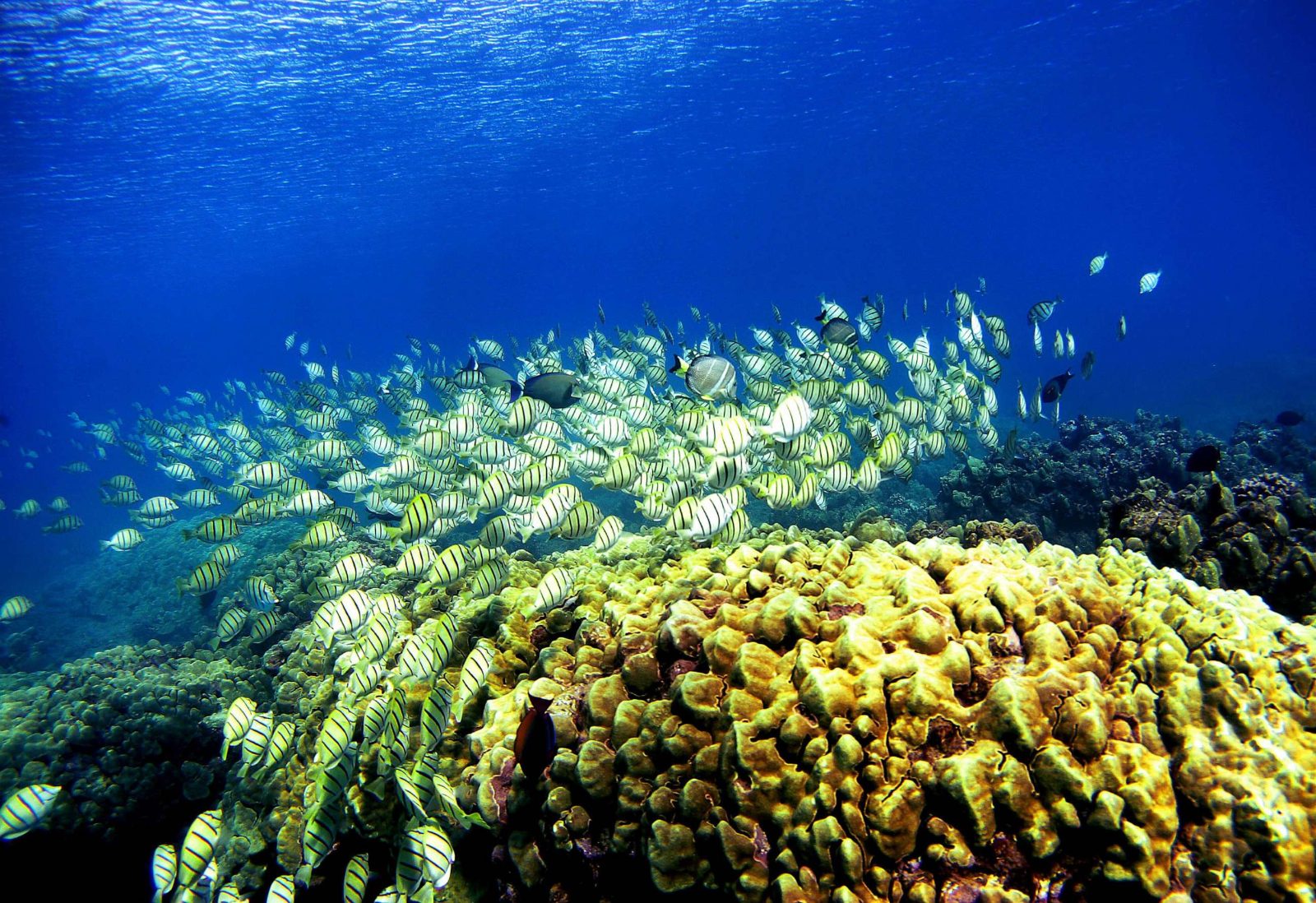
A mixed reef-fish population, including parrotfish and tang, congregates around the canyon's coral heads, drawn by the same algae growth that attracts grazing turtles.
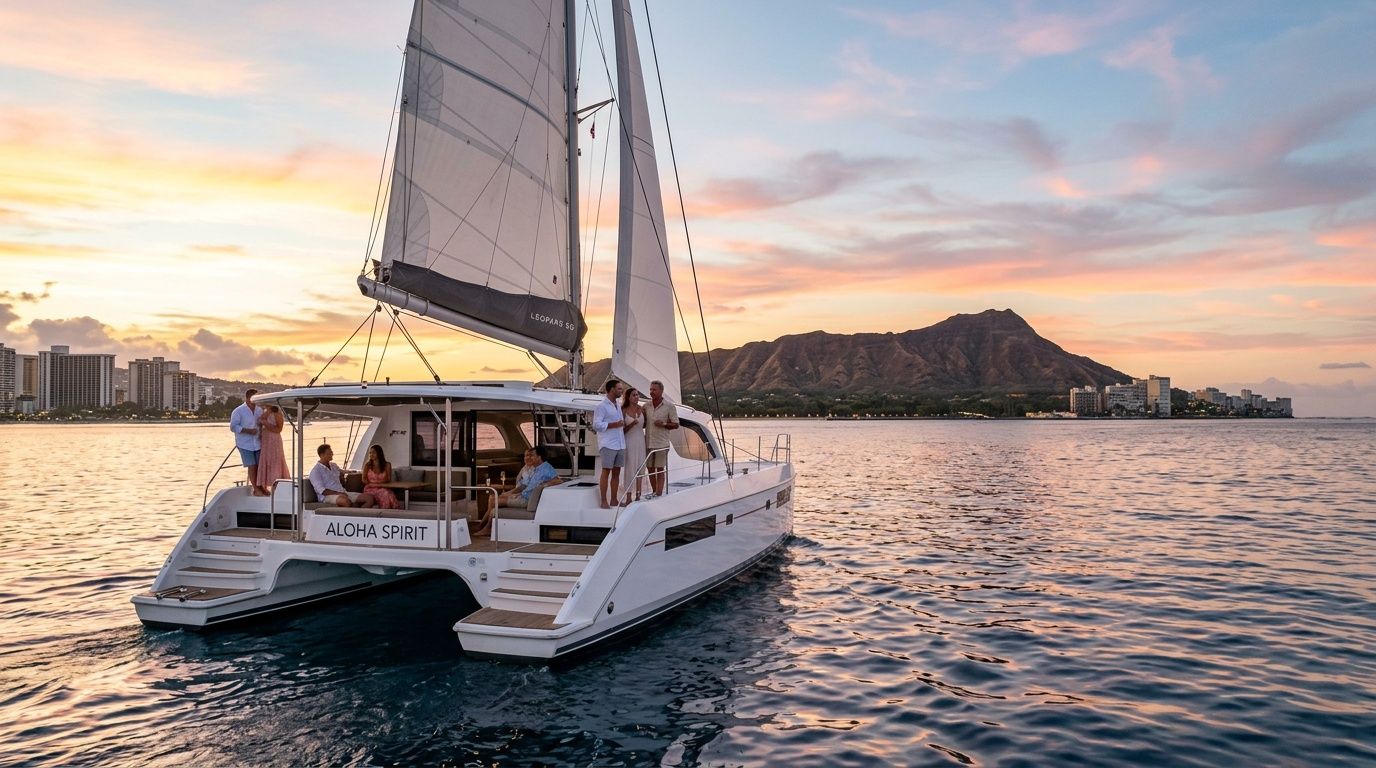
You board before 9:00 a.m., stepping onto a catamaran's mesh trampoline as the crew stows gear and reviews hand signals. The boat clears Waikiki's reef channel within minutes, Diamond Head's slope receding to starboard as the hull cuts across flat morning water.
Fifteen minutes offshore, the captain cuts the engines above Turtle Canyon, and you pull on fins, adjust your mask, and step down the swim ladder into water that hovers near 78 degrees year-round.
Visibility opens to 60 feet. You descend to the reef's upper ledge, hovering above brain coral and finger coral, scanning the limestone shelf below. A shadow resolves into a green sea turtle resting beneath an overhang, its front flippers tucked against its shell. You hold your position ten feet away, watching as the turtle pushes off the bottom and glides past you, neck extended, heading for a patch of algae. A second honu appears near a coral head, pausing mid-water to let cleaner wrasse pick at its carapace. You drift with the current, the reef scrolling beneath you, yellow tang and convict tangs darting through the coral towers. The crew signals 30 minutes elapsed, and you fin back to the ladder, salt drying on your arms as the boat turns toward Waikiki.
Tutti i dettagli della tua prossima avventura in un unico posto
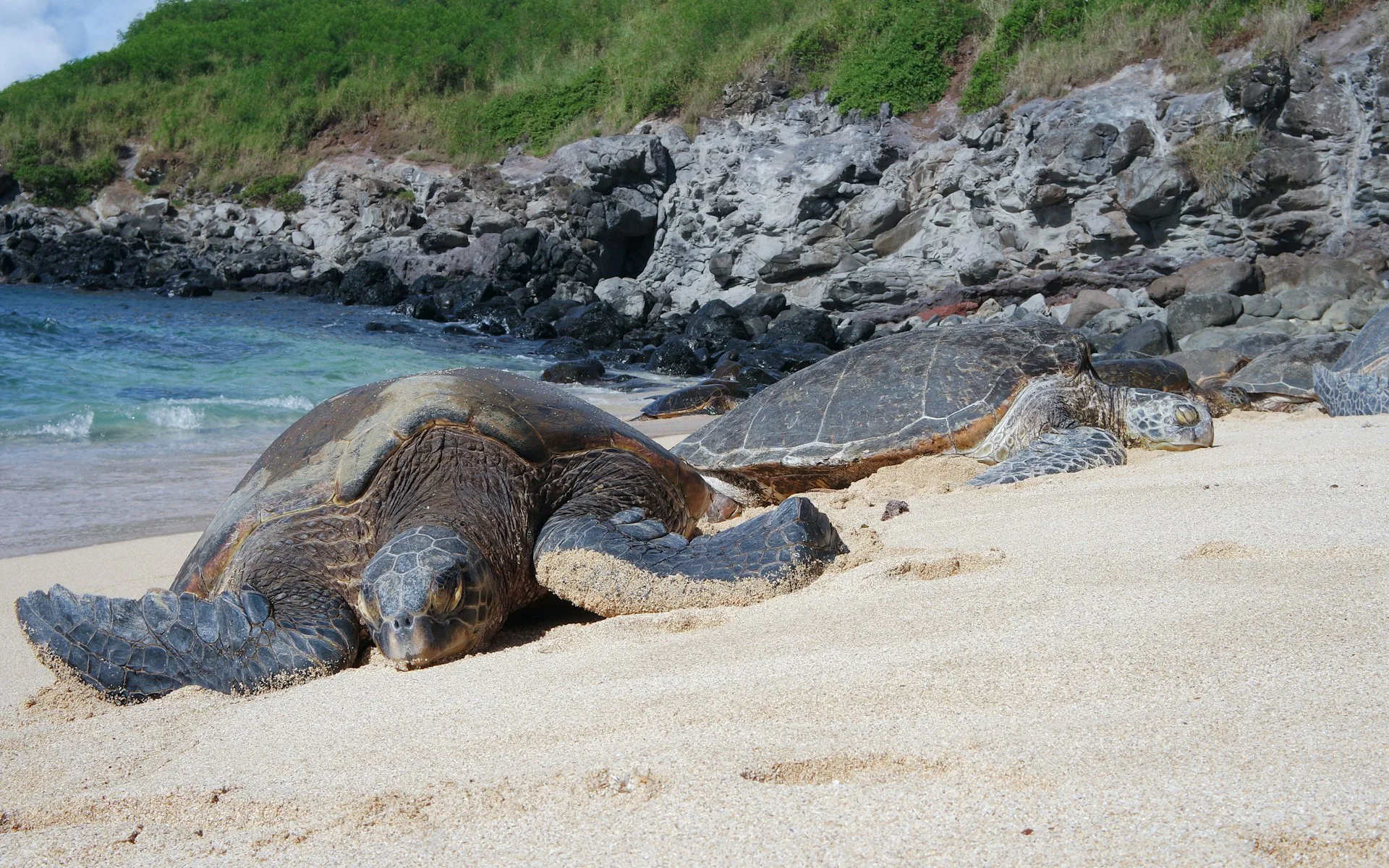
Green sea turtles arrived in Hawaiian waters more than two million years before the first Polynesian canoes.
The honu — as the species is known in ʻŌlelo Hawaiʻi — holds protected status under both federal and state law, a designation that transformed Oahuʻs nearshore reefs from overfished zones into thriving underwater corridors. Turtle Canyon, a limestone shelf less than a mile offshore from Waikiki, became one of the island's most reliable encounter sites after decades of conservation enforcement reversed population decline. The canyon's name is a recent coinage, adopted by charter operators in the early 2000s to mark the site where green turtles rest, feed on limu — Hawaiian algae — and allow cleaner fish to pick parasites from their shells.
Turtle snorkeling on Oahu centers on this offshore habitat, where water depth ranges from 15 to 45 feet and visibility exceeds 60 feet on calm mornings. The reef's topography — a series of ledges, overhangs, and coral heads — creates feeding zones that concentrate both turtles and the endemic fish species that share the ecosystem. Honu can weigh 300 pounds and live beyond 80 years; individuals return to the same resting ledges across seasons, a fidelity that allows repeat visitors to recognize scarred shells and distinctive color patterns. Federal guidelines prohibit touching or chasing the animals, and responsible operators maintain a ten-foot distance, a buffer that reduces stress and keeps encounters sustainable.
Most turtle snorkeling on Oahu tours depart from Waikiki's Kewalo Basin or the Ala Wai Harbor between 8:00 and 10:00 a.m., a window that captures the period before trade winds roughen the channel. Catamarans and rigid inflatables make the crossing in 15 to 25 minutes, anchoring above the reef's shallowest sections. Morning light penetrates the water column at near-vertical angles, rendering the turtles' carapaces in shades of olive, amber, and bronze. Snorkelers often share the water with yellowfin goatfish, Hawaiian sergeant majors, and occasional spotted eagle rays, though the honu remain the central draw. The canyon's accessibility — close to shore, shallow enough for novice swimmers, calm in protected conditions — has made it Oahuʻs most visited snorkel site, with dozens of boats anchoring daily during peak season.
Honu can weigh 300 pounds and live beyond 80 years; individuals return to the same resting ledges across seasons.
Wear a swimsuit under reef-safe clothing, since most turtle snorkeling on Oahu excursions depart straight from a Waikiki-area beach or harbor with no changing facilities on the water. Rash guards are recommended over sunscreen alone, since only mineral-based, reef-safe sunscreen is permitted near Turtle Canyon.
There is no bag check or security screening at the public shoreline, but boat-based tours typically limit passengers to one small dry bag due to limited deck storage. Leave valuables at your hotel, since neither the beach nor the boats offer lockers.
Personal cameras and GoPros are permitted in the water, but flash photography and drone flights over Turtle Canyon are restricted under NOAA guidelines protecting the green sea turtles. Keep at least 10 feet of distance when photographing turtles, as federal law prohibits touching or crowding them.
Children must generally be at least 5-8 years old and comfortable in open water, depending on the operator's policy. Life vests are provided on all boat tours and recommended for young or inexperienced swimmers.
The Waikiki shoreline nearest Turtle Canyon has paved beach access points but no ramps into the water itself, and sandy entry can be difficult for wheelchair users. Most boat-based tours require climbing a ladder or stepping down into the water, so mobility needs should be confirmed directly with the operator before booking.
No food concessions exist at Turtle Canyon itself, and eating is not permitted in the water near turtles to avoid altering their natural feeding behavior. Most boat tours provide bottled water, while nearby Waikiki restaurants and food trucks cover meals before or after your outing.
Ocean access, no gate
Quietest weekday mornings
Boat traffic picks up midday
Busiest day, book tours early
Family crowds by late morning
Best Arrival
08:00–11:00 for calmer water and clearer visibility
Address
Turtle Canyon, Waikiki, Honolulu, HI, USA
Entry Type
Public ocean access, no ramps or lifeguard platforms at the reef
Climate
Tropical, UV exposure high even on overcast mornings
Fee
Free public shoreline access; snorkel tours require private booking
Car · 20 min from airport · Metered parking roughly 2-4 USD per hour
Drive to Waikiki or Kewalo Basin Harbor and use public metered lots or hotel valet, since street parking near the harbors is limited. The drive from Honolulu International Airport takes about 20 minutes without traffic.
Public transport · 30-40 min from downtown · 2.75 USD per ride
TheBus routes 2, 8, 19, and 20 serve Waikiki from central Honolulu, stopping within a few blocks of most tour meeting points. Ask your operator for the closest stop to their specific dock.
Taxi · 10-15 min from most Waikiki hotels · 15-25 USD from central Waikiki
Rideshare and taxi service is widely available throughout Waikiki and drops directly at harbor entrances. This is often the simplest option for early 08:00 tour departures.
Walk · 10-20 min · Free
Many Waikiki hotels sit within a 10-20 minute walk of the beach catamaran launches. Kewalo Basin Harbor is farther out and less walkable from central Waikiki.
Since the reef itself has no entrance fee, cancellation terms apply only to booked turtle snorkeling on Oahu tours, not to public beach access. Most operators allow free rescheduling or a full refund up to 24 hours before departure, with late cancellations forfeiting the tour cost.
Meteo · affollamento · prezzo medio — i punti passano dal verde all'arancione al rosso al crescere di ogni indicatore.
December through February bring larger north-facing swells that occasionally affect boat routing, though Turtle Canyon on the south shore stays comparatively calm. Whale watching often overlaps with snorkel tours during these months.
March through May offer some of the calmest seas of the year with steady water clarity. Trade winds are generally lighter, extending the window of good visibility later into the day.
June through August bring warm water and the highest visitor volume, since this coincides with peak family travel season in Waikiki. Afternoon trade winds still tend to roughen the surface by midday.
September through November see fewer crowds and warm water lingering from summer, making it a comparatively quiet stretch for turtle snorkeling on Oahu excursions. Rain showers are brief and infrequent this time of year.
Small-group catamaran and rigid-hull boats reach Turtle Canyon faster than shared shuttle tours, reducing crowding at the reef. Confirm group size caps before booking.
Apply reef-safe, mineral sunscreen at least 20 minutes before boarding, since applying it dockside can wash off quickly once you enter the water.
Boats have limited covered storage, so a small dry bag keeps your phone and towel protected from ocean spray during the ride out.
Hawaii's trade winds typically strengthen through the day, so checking a local wind forecast the night before helps set expectations for water clarity.
Federal law protects green sea turtles from touching or feeding, and crew members will enforce a distance buffer throughout the swim.
The boat ride to Turtle Canyon crosses open channel water that can cause queasiness for sensitive travelers, so over-the-counter remedies taken beforehand help.
Salt residue on masks and snorkels degrades seals over time, so rinsing rented gear in fresh water immediately after the tour is worth the extra minute at the dock.
Waikiki Beach, Honolulu, HI, USA
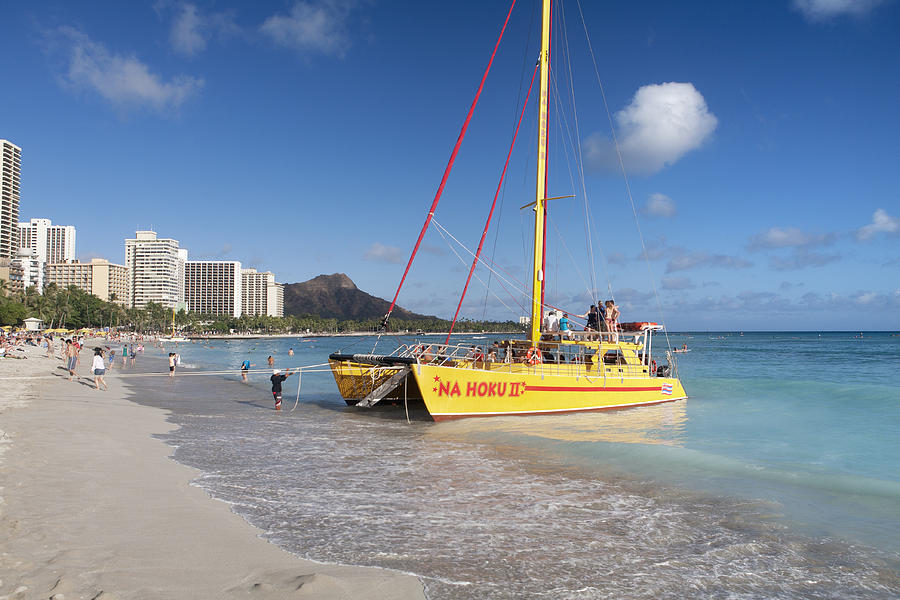
Most sail-based tours launch directly from the sand near the Duke Kahanamoku statue
Get directions
Kewalo Basin Harbor, Honolulu, HI, USA
Common departure point for larger snorkel boats heading to Turtle Canyon
Get directions
Ala Wai Harbor, Honolulu, HI, USA
Secondary harbor used by some smaller charter operators
Get directionsTurtle snorkeling on Oahu emerged as a recreational activity in the mid-1970s, when Hawaiian green sea turtles—honu in the Native Hawaiian language—began reappearing in nearshore waters after decades of decline. The 1978 listing of green sea turtles under the Endangered Species Act accelerated population recovery, and by the early 1980s, resident populations had established themselves at Turtle Canyon, a volcanic reef formation off Waikiki's southern coast. The site's Hawaiian name, Nai'a, references the spinner dolphins that historically frequented the area, though turtles became the dominant attraction by the 1990s. Commercial turtle snorkeling on Oahu tours began operating from Kewalo Basin in 1987, initially as unregulated boat charters that drew criticism from marine biologists concerned about harassment of recovering turtle populations. The National Marine Fisheries Service issued guidance in 1992 requiring operators to maintain ten-foot distances from turtles, and Hawaii's Department of Land and Natural Resources implemented stricter enforcement after a 1998 incident in which a tour operator was fined for allowing guests to chase basking turtles. Modern operators follow protocols developed through collaboration with the Marine Turtle Research Program at the University of Hawaii, which has monitored Turtle Canyon since 2003. The site now hosts approximately twenty licensed tour operators, with GPS tracking and seasonal closures during nesting periods. Turtle Canyon itself formed roughly 500,000 years ago during the Honolulu Volcanic Series, creating the lava rock ledges and crevices that attract limu—native seaweed—the primary food source for resident turtles. The area's designation as a Marine Life Conservation District in 2011 restricted anchor use and introduced fines for coral damage, reducing physical impact from the estimated 150,000 annual visitors. Current population counts identify thirty to forty individual turtles frequenting the canyon, tagged and monitored by NOAA researchers who publish sighting data used by turtle snorkeling on Oahu tickets vendors to predict optimal viewing windows.
Hawaiian green sea turtles begin returning to Oahu's nearshore reefs after population collapse.
U.S. Endangered Species Act listing accelerates honu recovery across Hawaiian waters.
First commercial snorkel charters depart Kewalo Basin targeting Turtle Canyon.
Federal guidelines mandate ten-foot minimum distance from turtles during tours.
DLNR enforcement increases after harassment incident results in operator fine.
University of Hawaii launches long-term turtle monitoring at Turtle Canyon.
Turtle Canyon receives Marine Life Conservation District designation with anchor restrictions.
GPS tracking and seasonal protocols standardize across licensed operators.
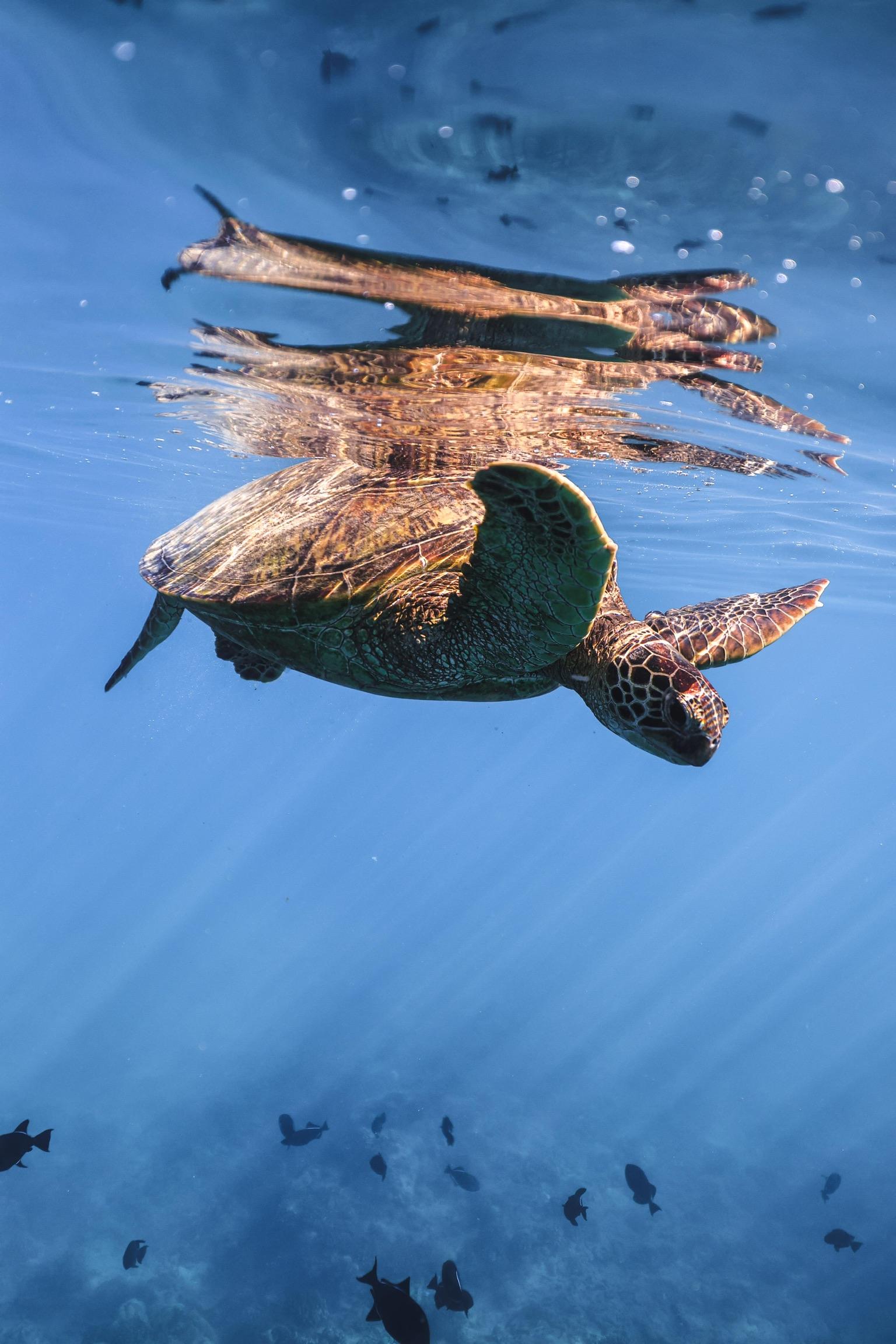
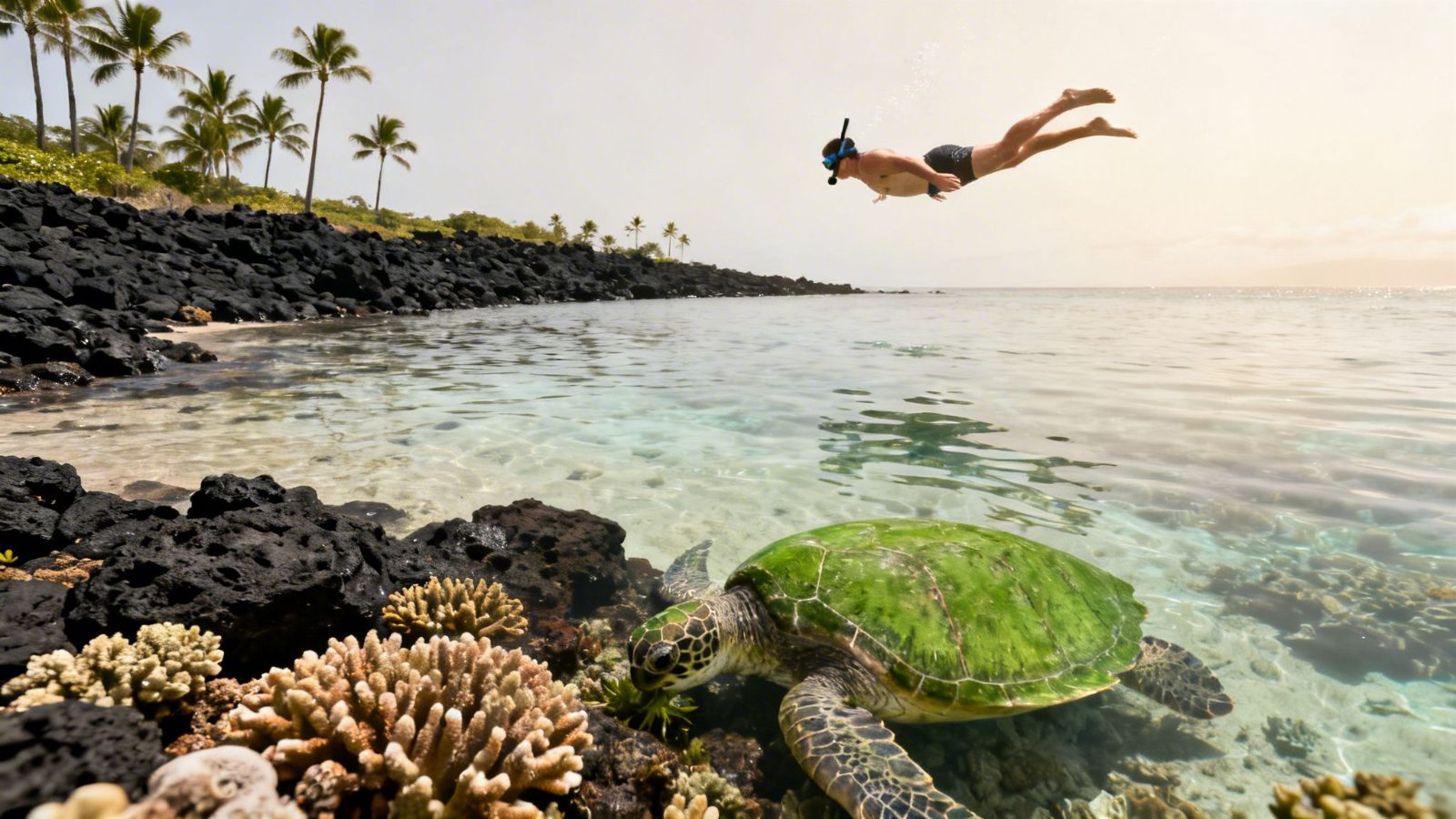
Underwater turtle-level shots taken right at the reef where green sea turtles graze on algae, camera held just below the surface with a wide-angle housing. This is the signature moment of turtle snorkeling on oahu, so keep the turtle centered with sunlight rays filtering down from above.
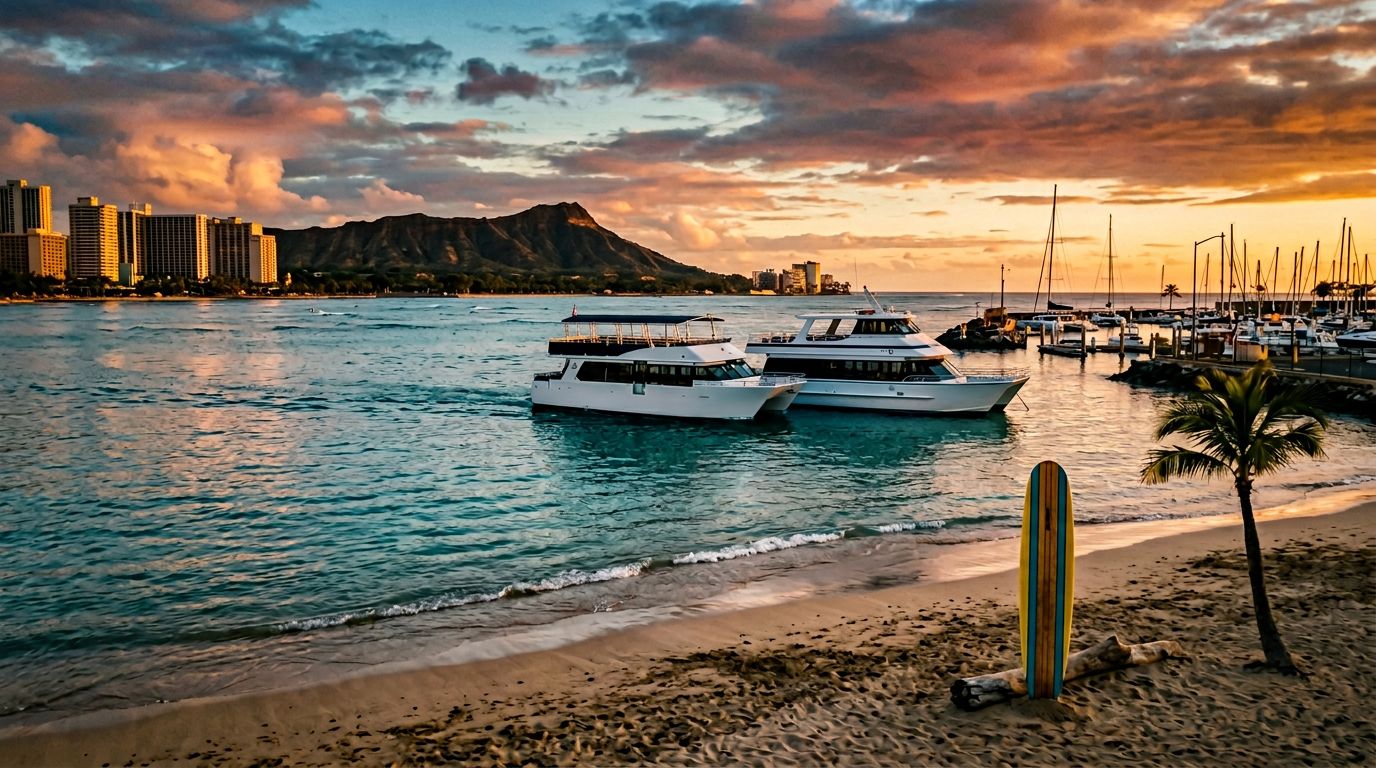
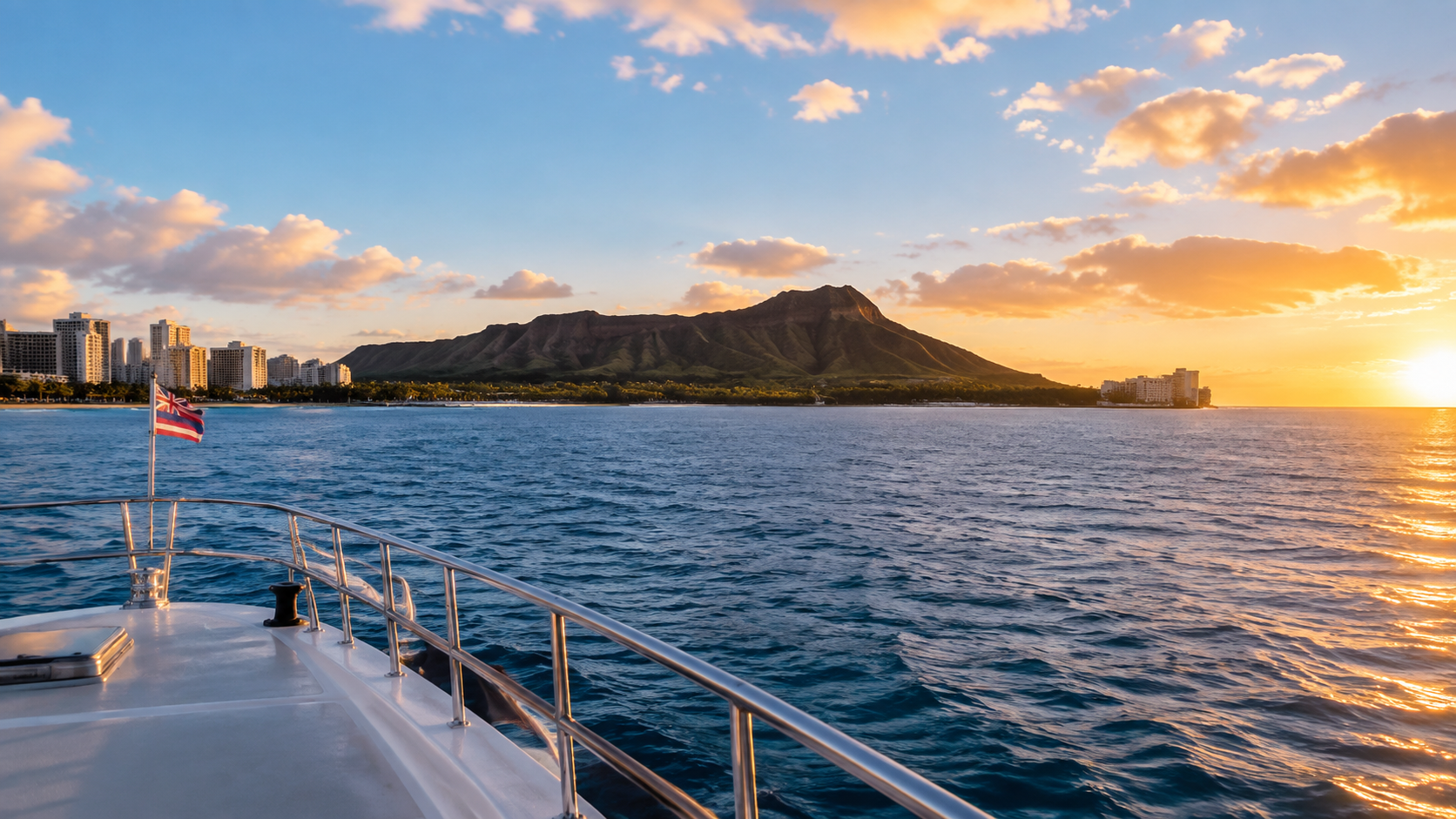
Wide shots from the bow or upper deck as the boat clears Waikiki, framing Diamond Head's crater silhouette against the horizon. Stand at the rail on the mauka (mountain-facing) side for the cleanest angle without gear or crew in frame.
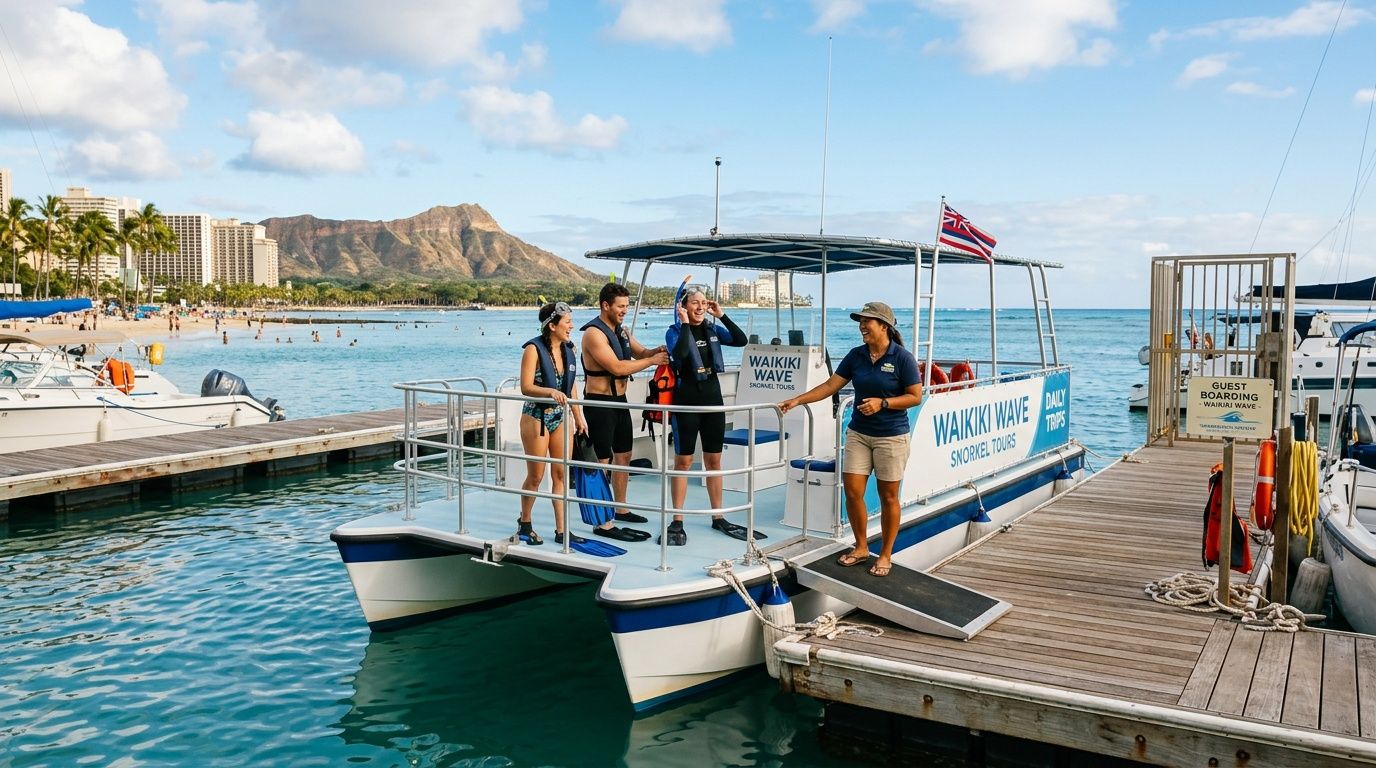
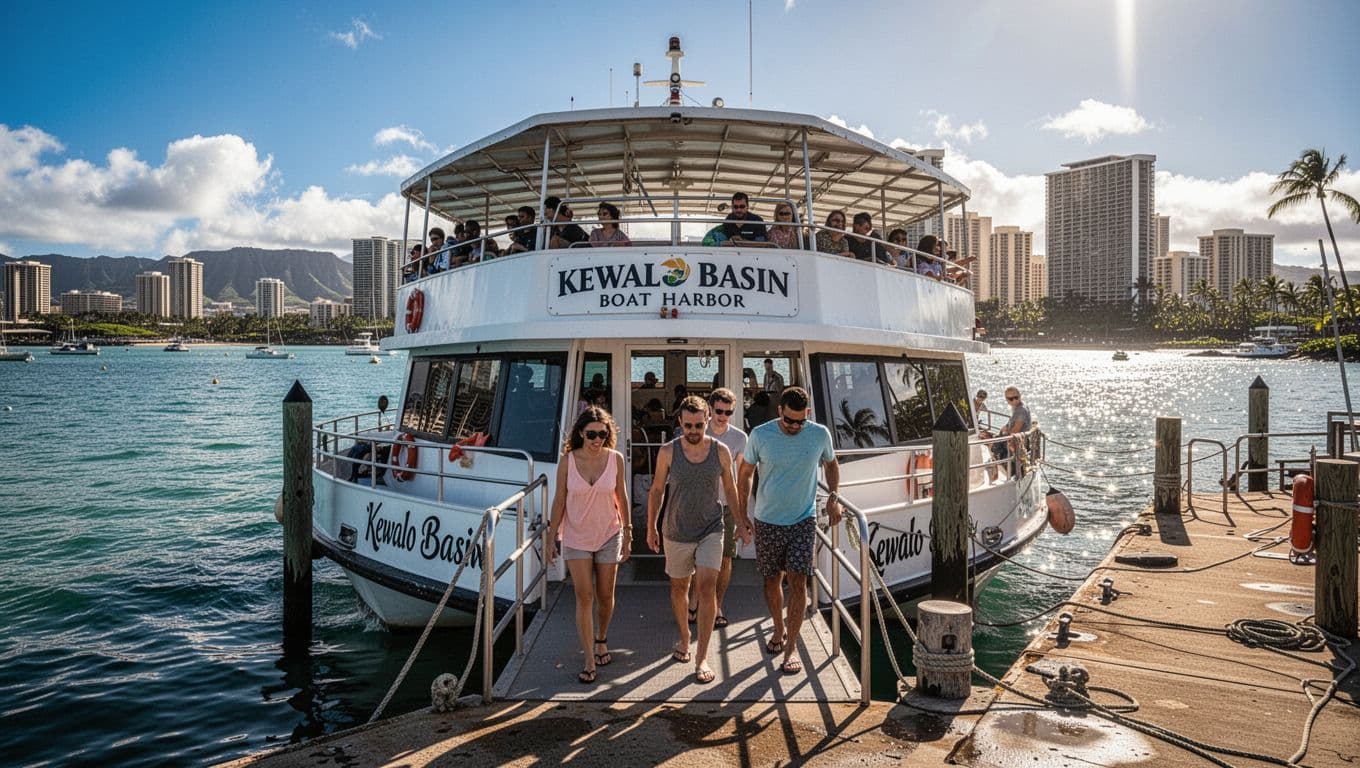
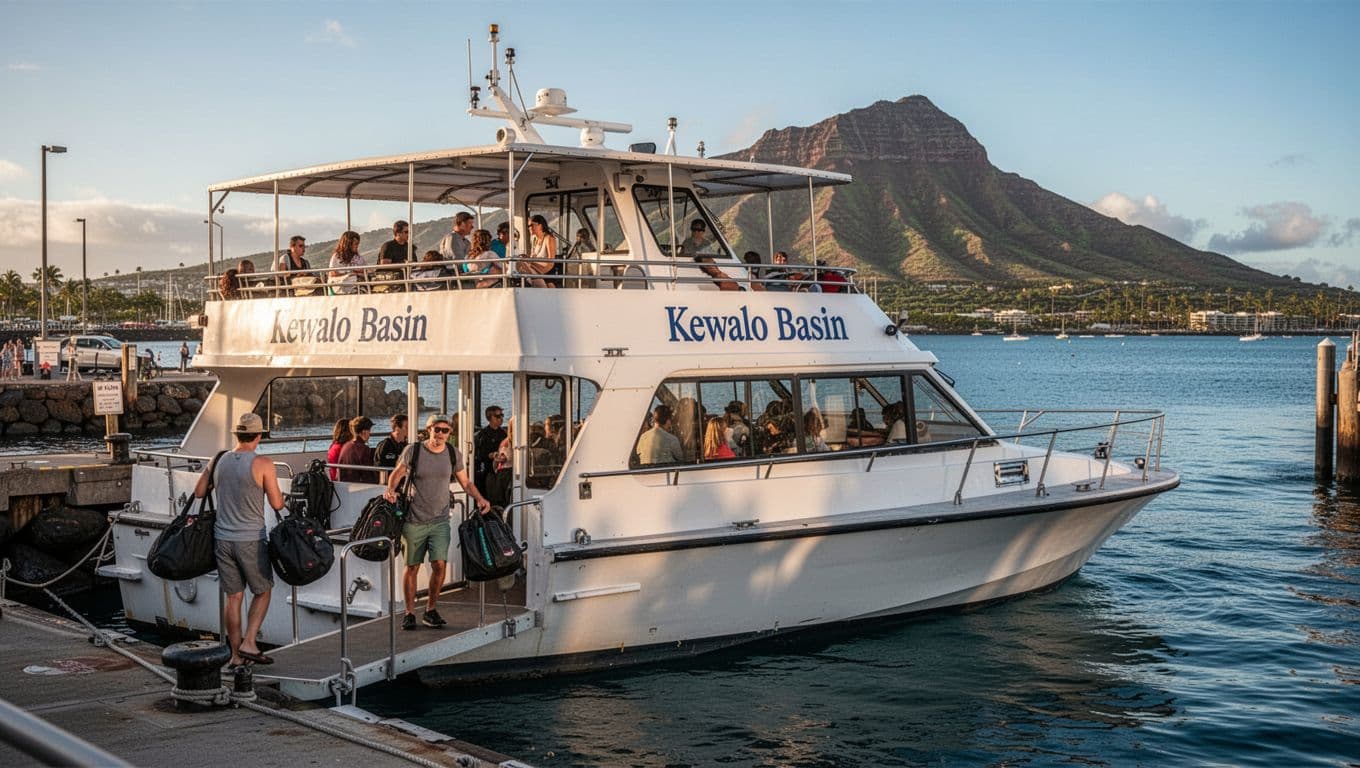
Departure-point shots of the snorkel fleet docked at Kewalo Basin, useful for capturing gear-up moments and the boats themselves before heading out. The pier walkway gives an elevated angle over the harbor slips.
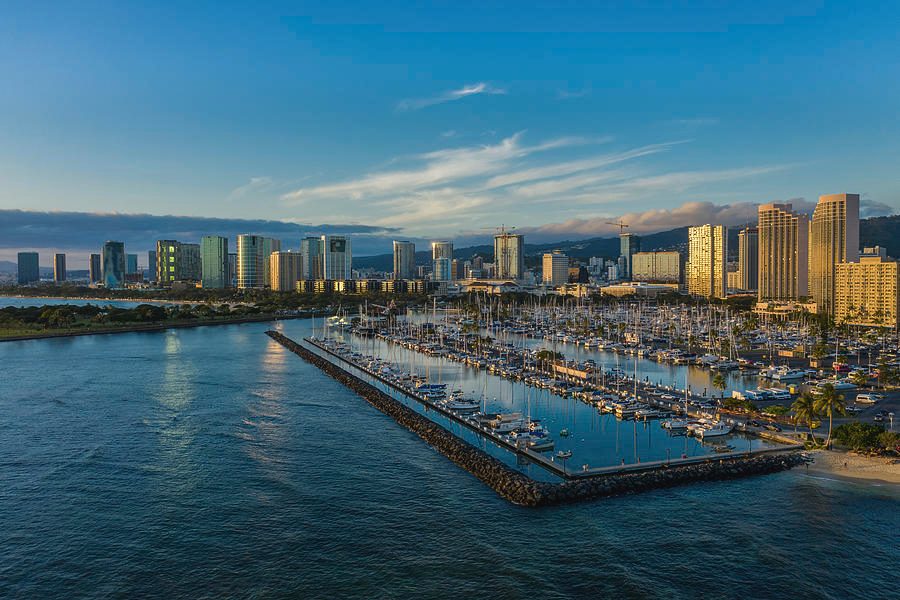
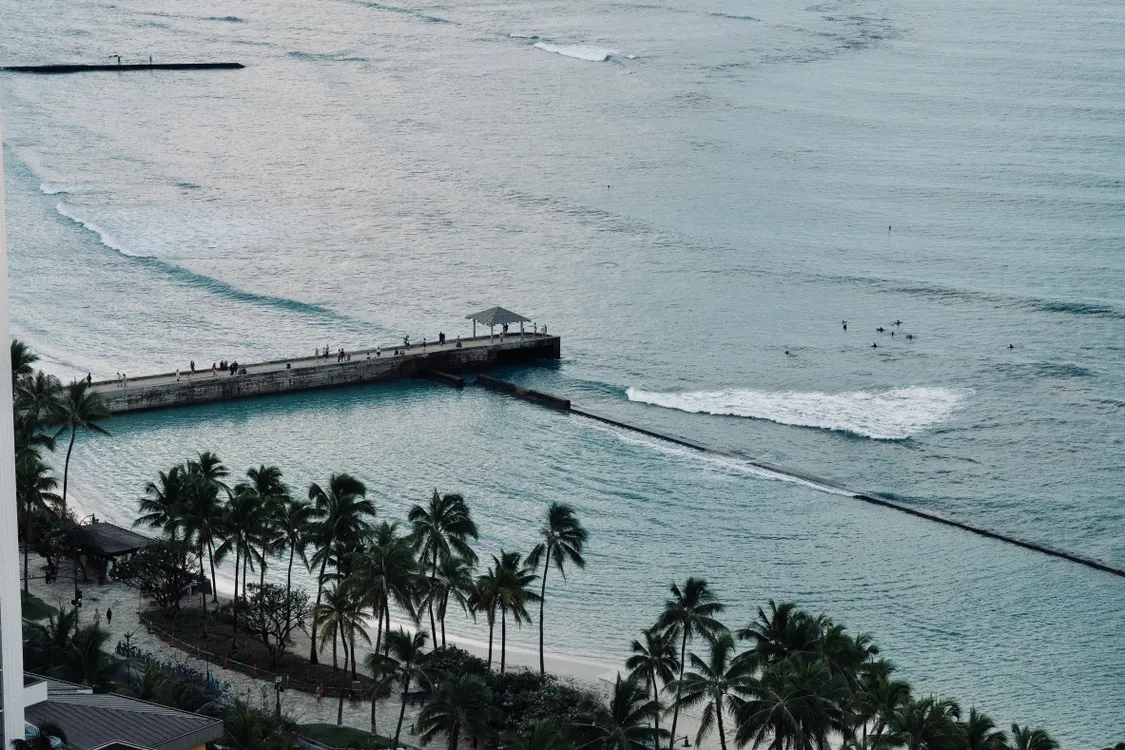
A low waterline shot from the Waikiki departure pier looking toward the open channel, good for capturing the turquoise water color and the first stretch of the route toward the reef.
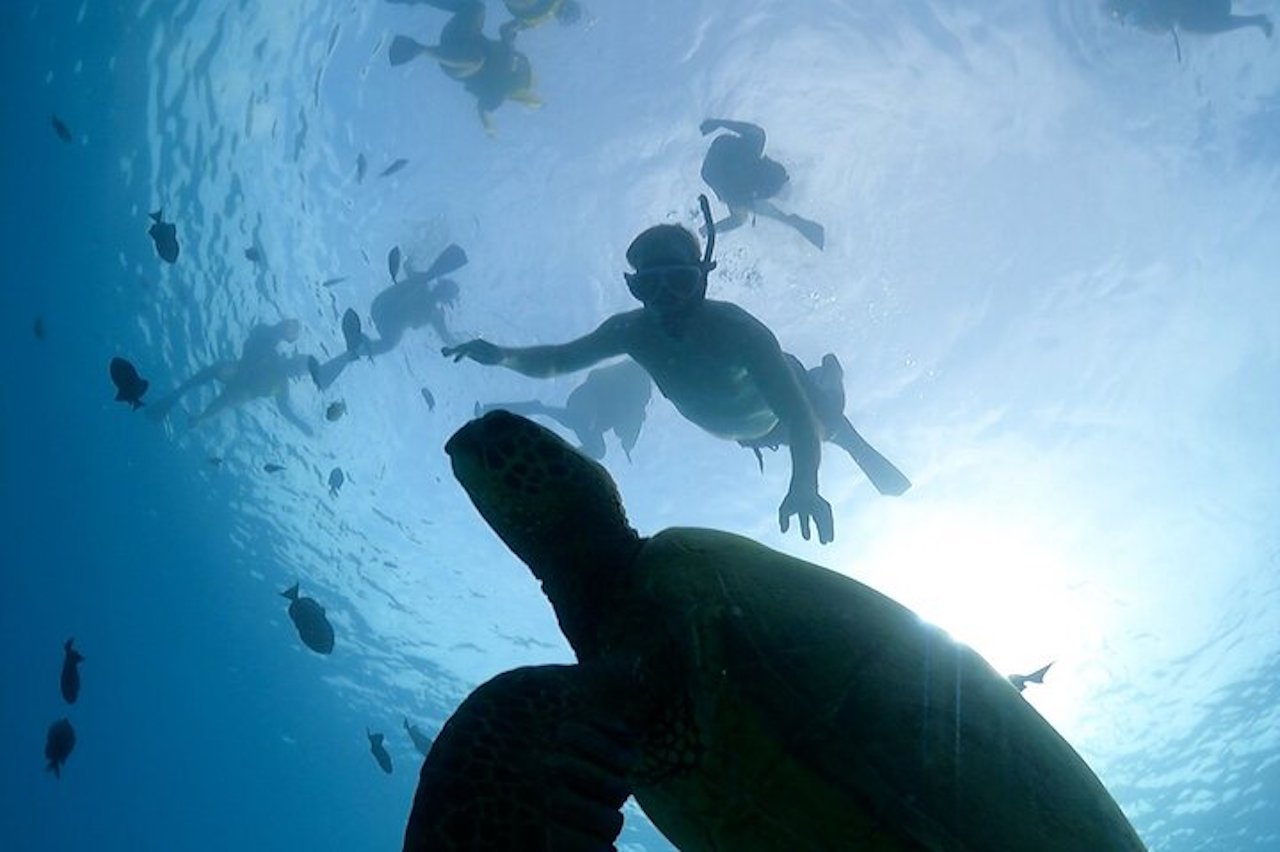
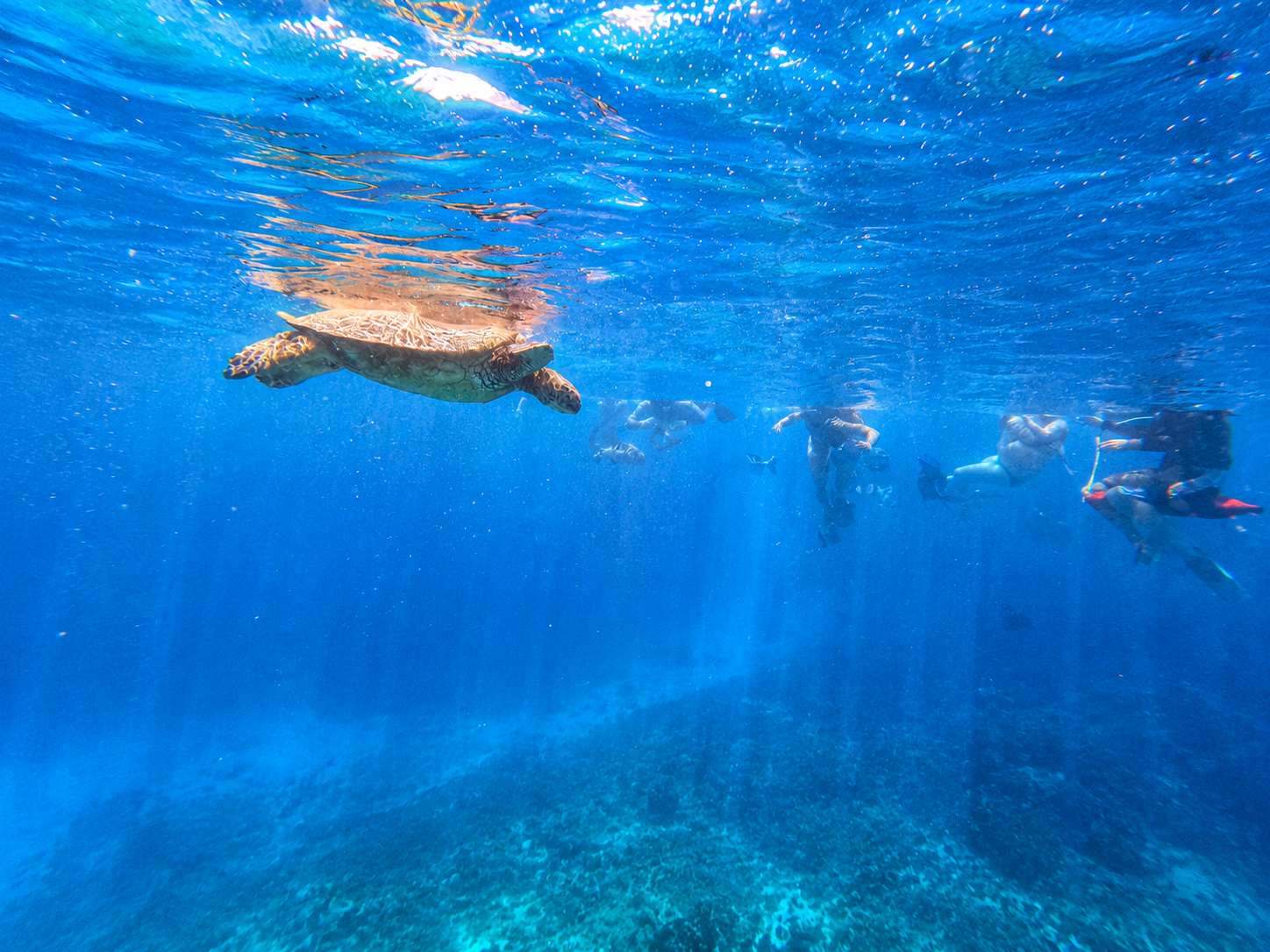
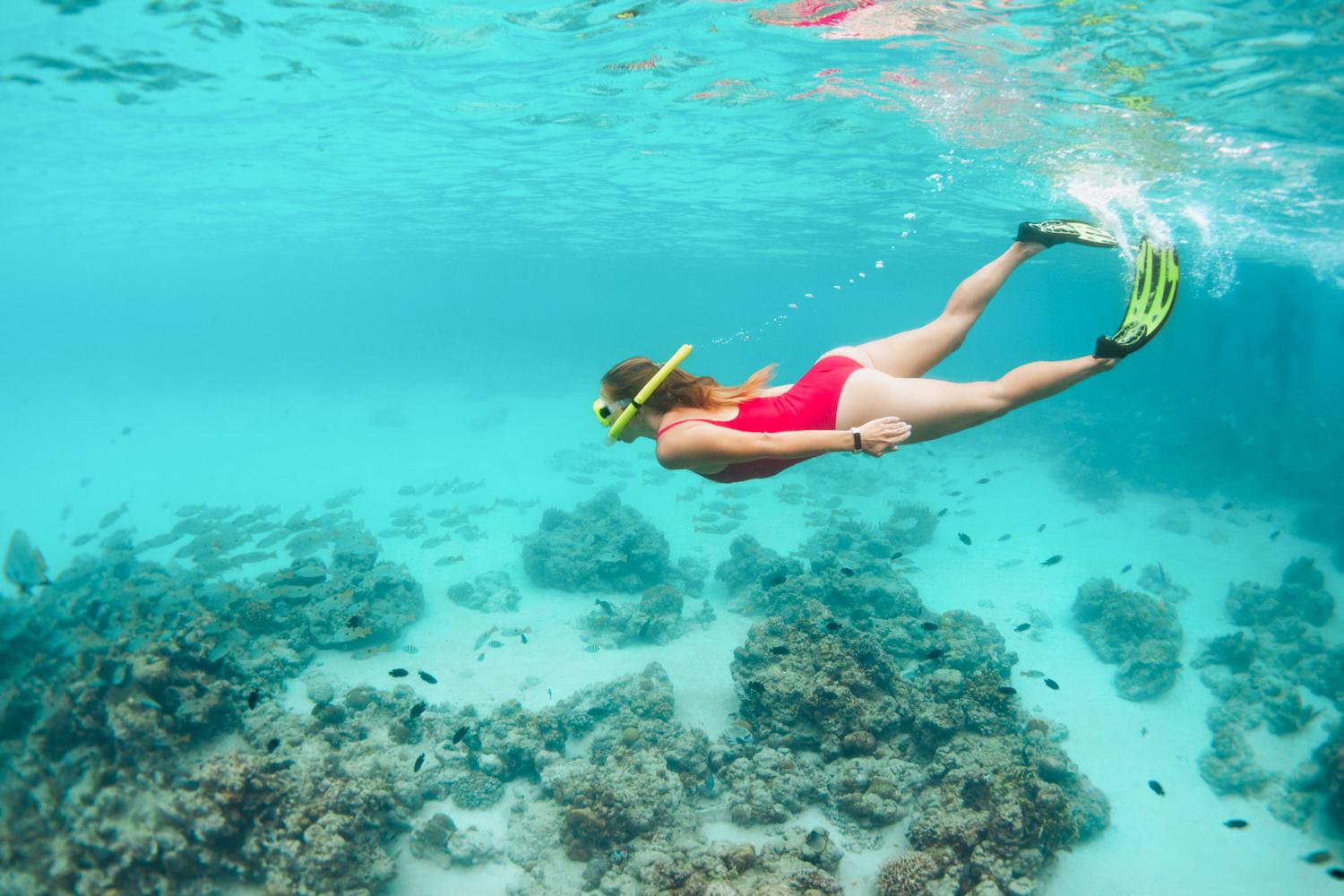
Shots taken at the surface with a mask and snorkel, looking down through clear water at turtles and the sandy-reef bottom below. Stay a legal distance from the animals and let the guide position the group for the cleanest sightline.
Turtle snorkeling on Oahu at Turtle Canyon works well for families once kids are comfortable swimming in open water, since this is a boat-access site rather than a shallow reef you wade into from the beach. Because private tours are the only way to reach the canyon itself, matching the trip length and swim demands to your child's stamina matters more than it would at a shore snorkel spot.
Kids should be confident, calm swimmers who can handle a snorkel mask and fins in open water with some boat wake, since Turtle Canyon sits offshore rather than in a protected cove; younger or hesitant swimmers do better with a tour offering flotation vests or a waterslide-style entry rather than a direct jump-in.
Boat rides out to Turtle Canyon cross open water, so kids prone to motion sickness should eat lightly beforehand and sit toward the back or middle of the boat; morning departures in the 08:00-11:00 window also mean calmer seas before afternoon trade winds pick up.
Keep total time in the water shorter for young kids by choosing a tour that pairs snorkeling with a waterslide or swim platform, so they can rest between snorkel sessions instead of treading water the whole trip.
Public ocean access at Turtle Canyon itself has no on-site restrooms or changing areas, so plan around facilities at your Waikiki departure point before boarding.
Smaller boat tours let crew keep closer watch on kids in the water, which matters more here than on shore-entry snorkel spots.
Turtle Canyon sits offshore, so there is no dining on the water itself — anyone doing turtle snorkeling on oahu eats beforehand or after back on the Waikiki shoreline, where boats and beach catamarans typically launch. Waikiki's beachfront strip has a dense mix of grab-and-go counters and sit-down spots within a short walk of the sand.
Casual open-air spot right on Waikiki Beach, known for the hula pie and mai tais; breakfast crowds build fast before boat departures, so order ahead if you're on a tight morning schedule.
Classic Hawaii plate lunch stop a short drive from Waikiki, good for a filling loco moco or mixed plate before an early tour; expect a short line at peak breakfast and lunch hours.
Small walk-up counter near the beach serving breakfast burritos and coffee, a fast option for an 08:00 departure; seating is limited so most people take it to go.
Popular Waikiki noodle counter with a line that moves quickly, suited to a post-snorkel lunch rather than a pre-dawn start given its later opening hours.
Multiple locations along Kalakaua Avenue selling water, snacks and quick breakfast items, useful for stocking up before heading to the shoreline.
Tutto ciò che devi sapere per il tuo viaggio
The ocean waters at Turtle Canyon in Waikiki are publicly accessible 24 hours a day, though booked snorkel boats typically depart during set morning or midday windows.
Public access to the ocean at Turtle Canyon is free; only private snorkel tour bookings carry a cost, which varies by operator and boat type.
Yes, booking ahead is recommended for turtle snorkeling on Oahu tours since boats have limited passenger capacity and popular morning departures fill quickly.
The shoreline near Turtle Canyon has paved beach access but no ramps into the water, and most tour boats require stepping down a ladder, so travelers with mobility limitations should confirm arrangements with the operator beforehand.
Prohibited items include drones, spearfishing gear, non-reef-safe sunscreen, glass containers, and any bait or fish feed intended to attract turtles.
Yes, personal cameras and GoPros are welcome in the water, though flash photography near the turtles and drone use over the reef are restricted.
Spring months from March through May tend to bring calmer seas and clearer water for turtle snorkeling on Oahu, while summer brings warmer water but larger crowds.
Wear a swimsuit under a rash guard, since most operators depart straight from the beach or harbor with no changing rooms available.
No food concessions exist at the reef itself, though most boats provide bottled water and Waikiki has ample dining options before or after your outing.
Most turtle snorkeling on Oahu tours meet at Waikiki Beach, Kewalo Basin Harbor, or Ala Wai Harbor, all reachable by TheBus, rideshare, or a short walk from central Waikiki hotels.
Yes, many operators welcome children as young as 5 to 8 depending on swimming ability, and life vests are provided for all young or inexperienced swimmers.
Most operators allow free rescheduling or a full refund up to 24 hours before departure, with later cancellations typically forfeiting the tour cost.
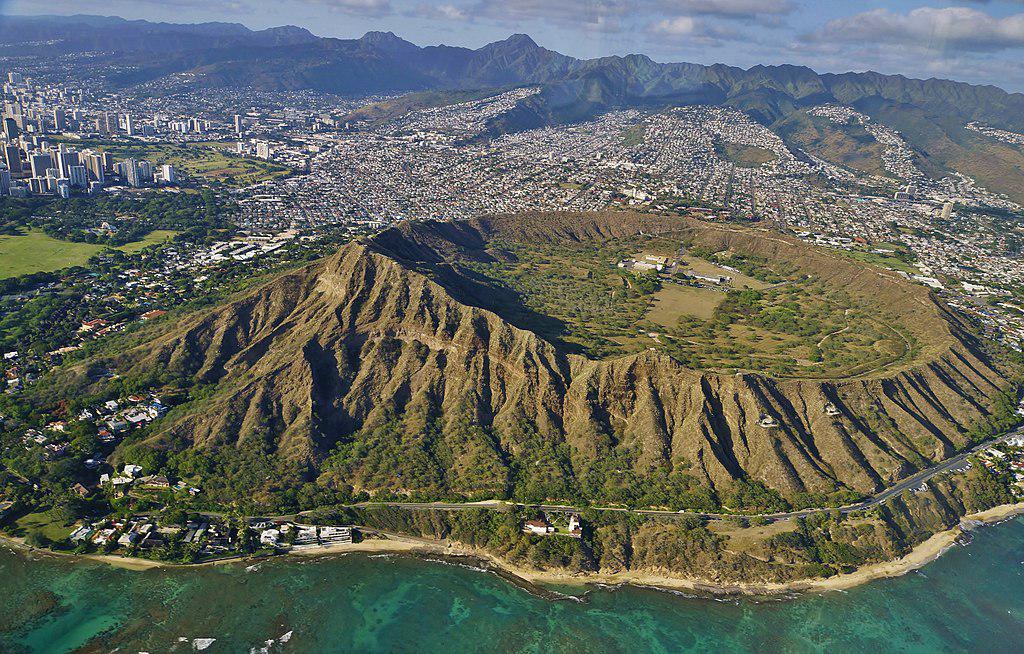
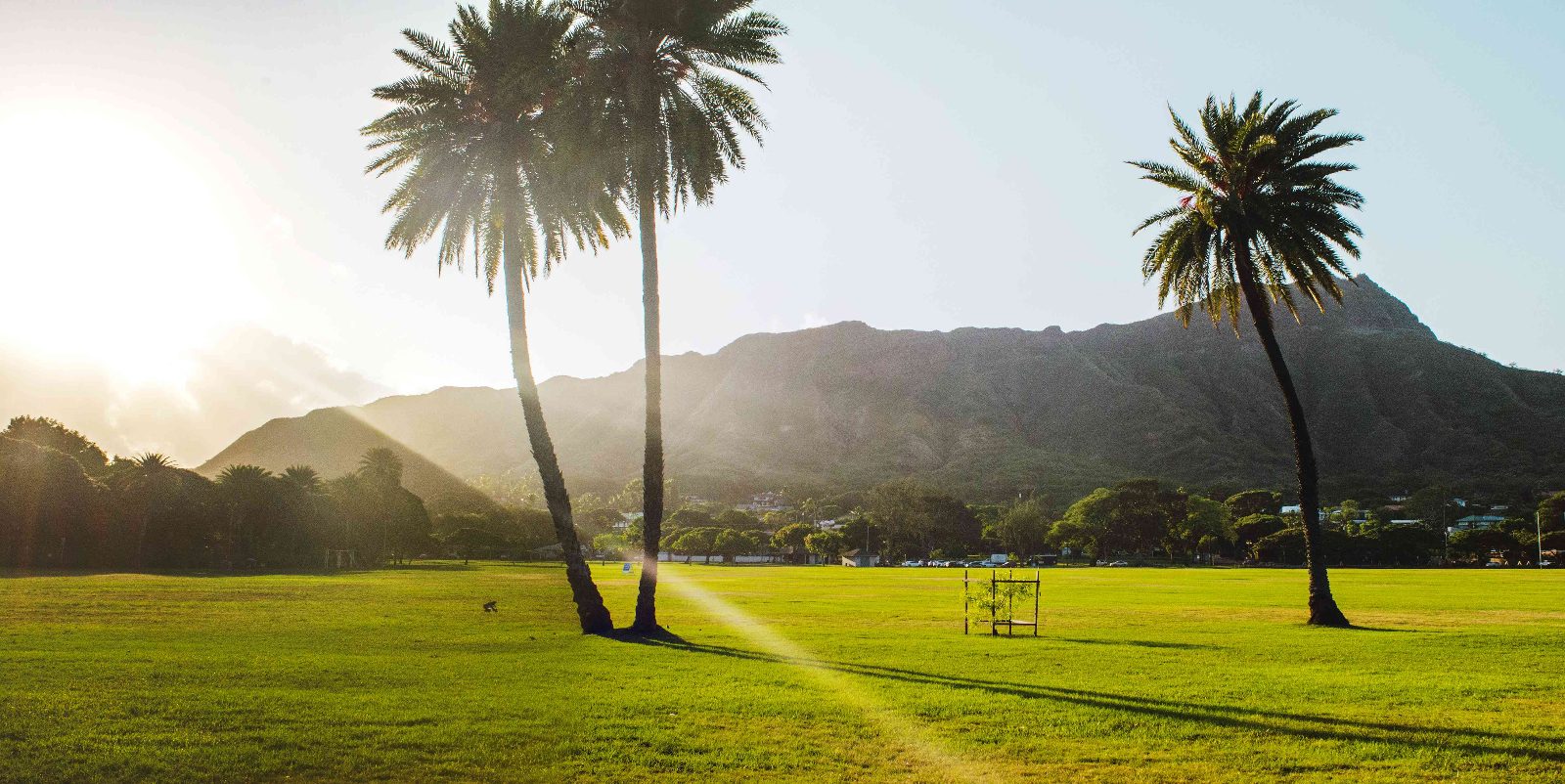
Diamond Head State Monument, Kapiolani Park, and the Honolulu Zoo all sit within a short drive or walk of Waikiki and pair well with a morning snorkel outing.
A volcanic tuff cone with a hiking trail to a summit overlook of Waikiki and the south shore. The crater last erupted roughly 400,000 years ago.
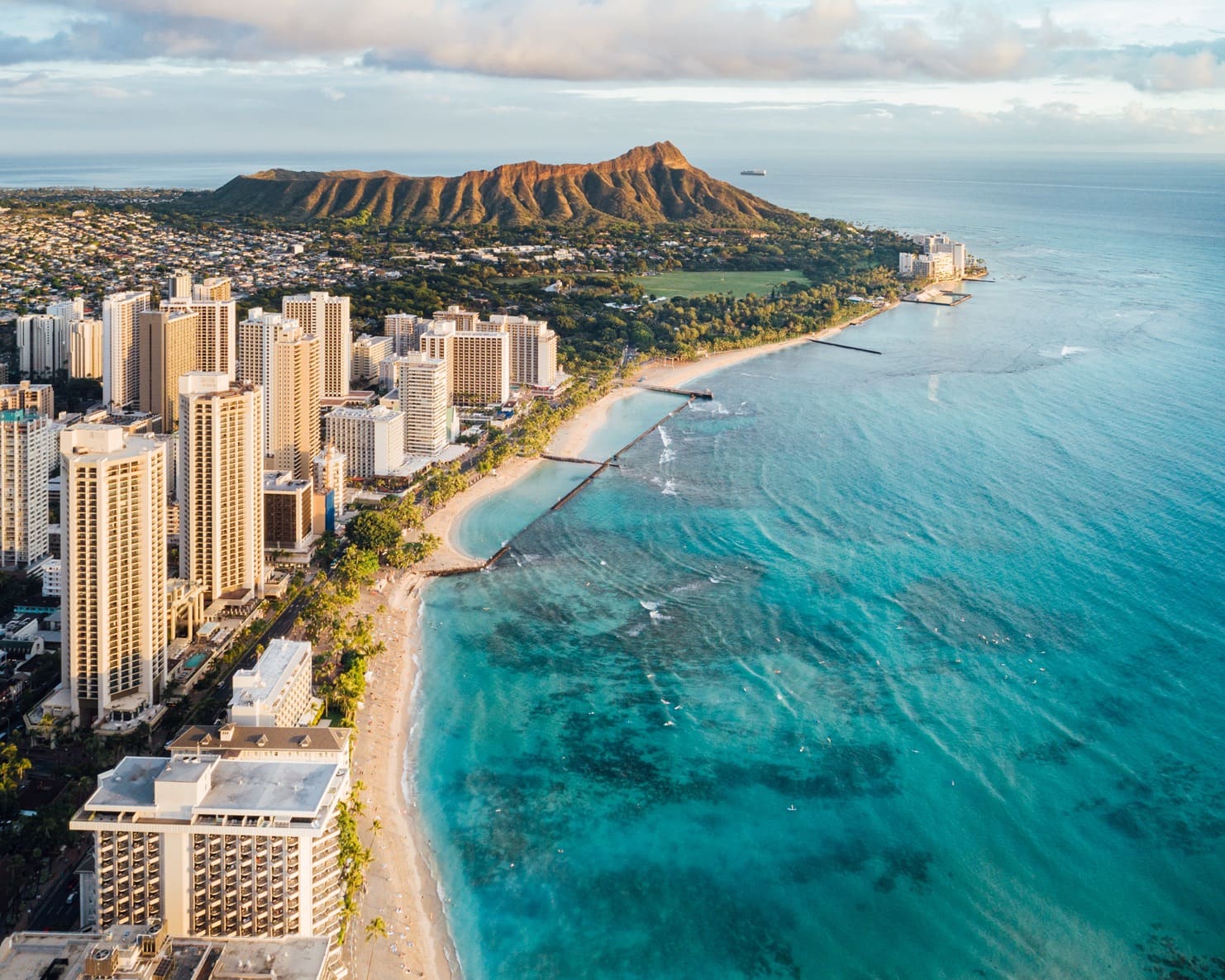
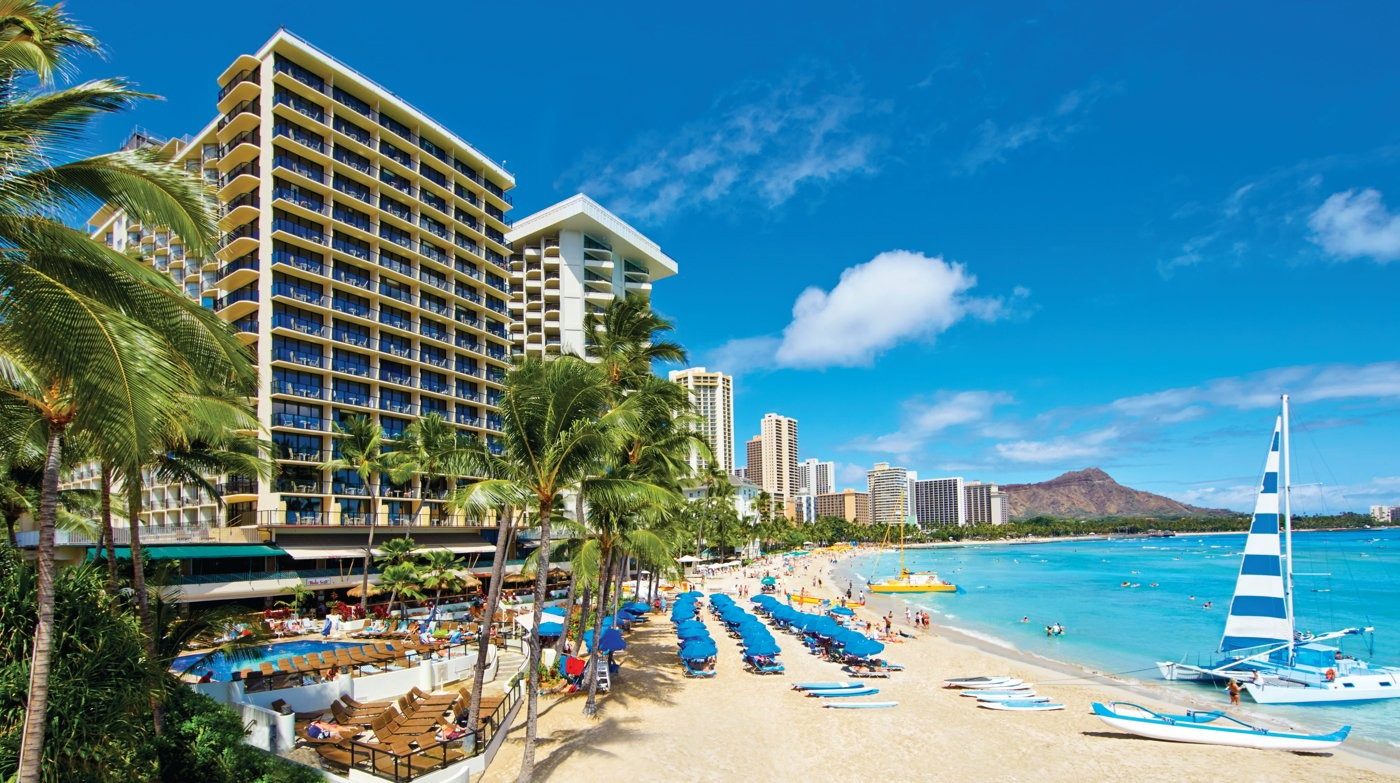
The namesake stretch of sand lined with hotels, surf schools, and the Duke Kahanamoku statue. It remains Oahu's most visited urban beach.
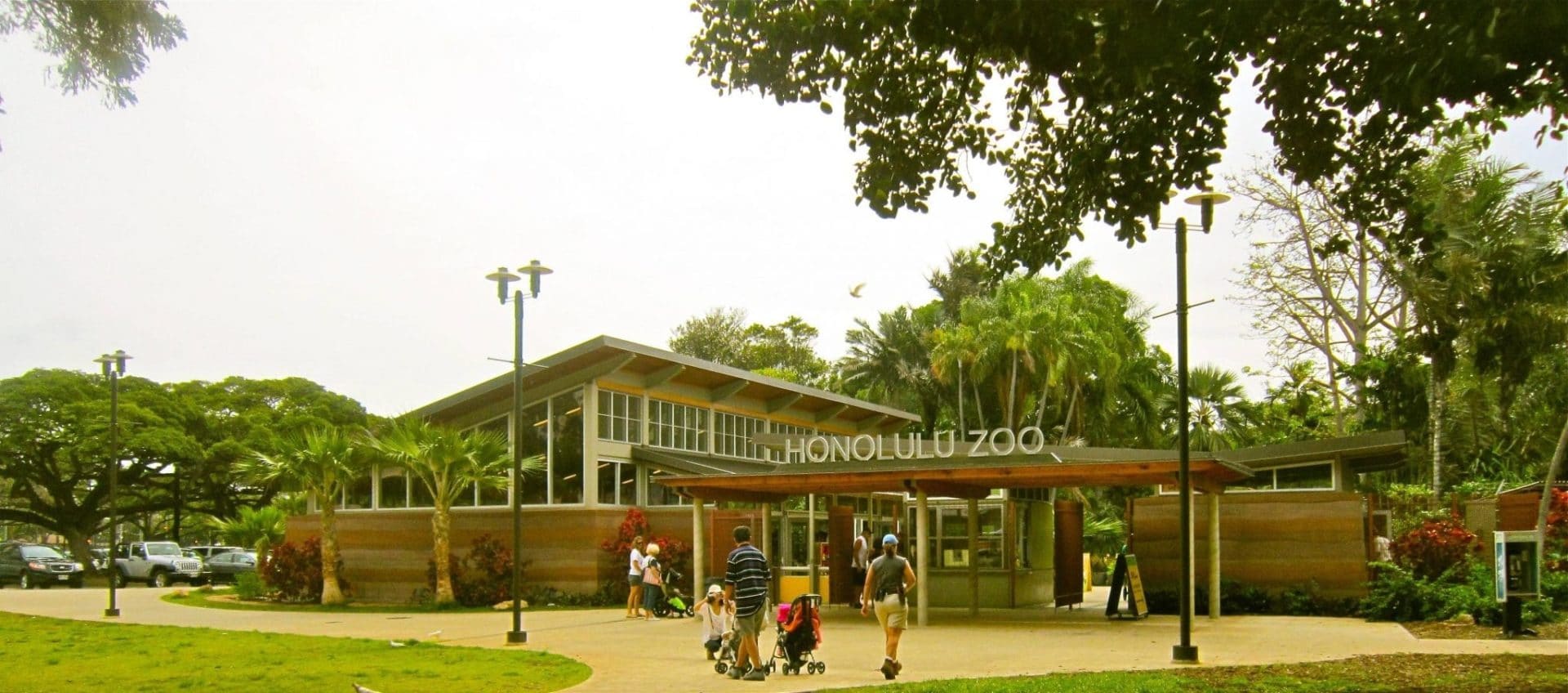
A 42-acre municipal zoo bordering Kapiolani Park with African savanna and Pacific islands exhibits. It opened in 1915, making it one of the older zoos in the United States.
Oahu's oldest and largest public park, home to the Waikiki Shell amphitheater and weekend farmers markets. It was dedicated in 1877 and named for Queen Kapiolani.
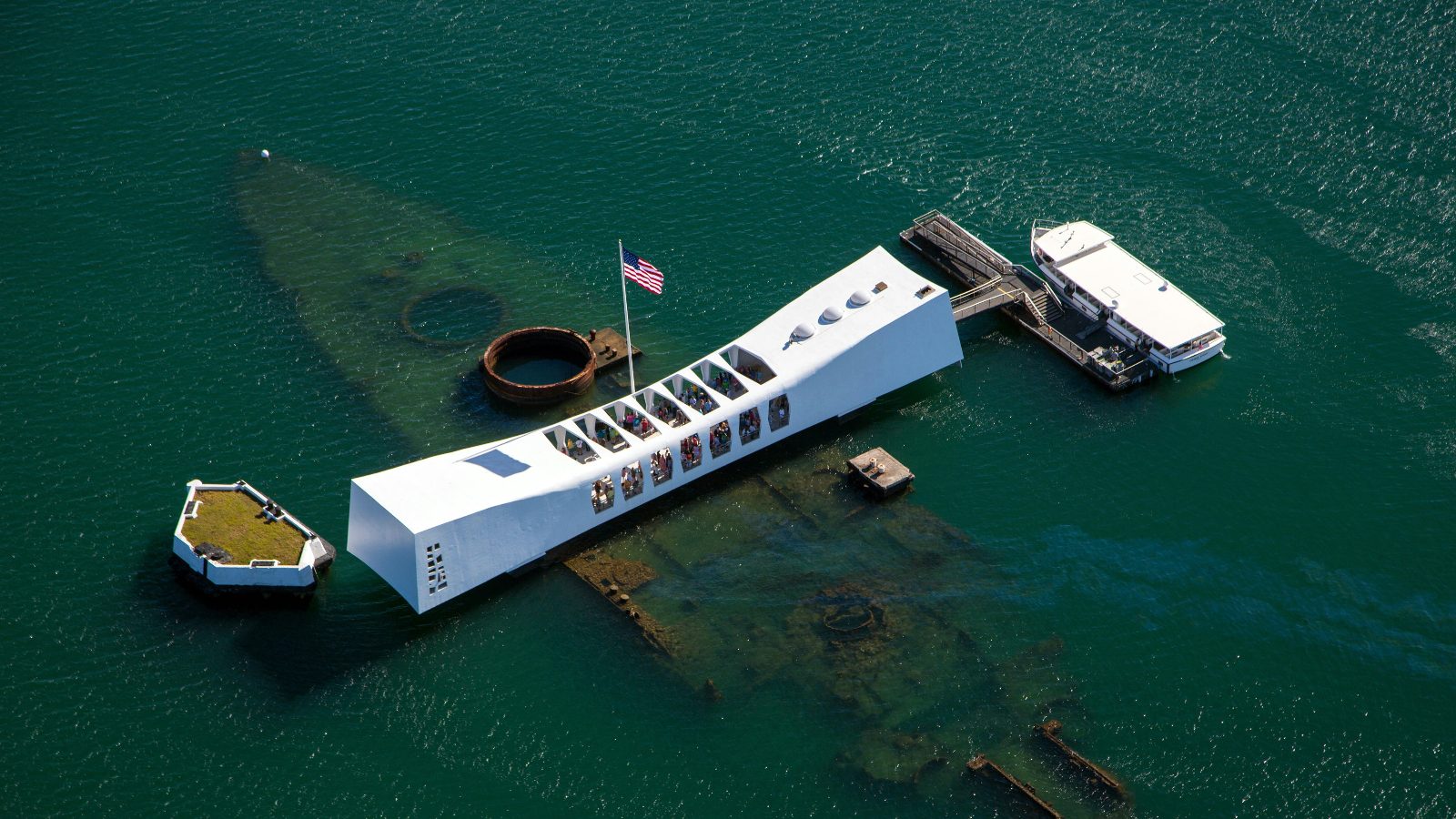
A memorial at Pearl Harbor built over the sunken battleship, marking the December 7, 1941 attack. Visitor entry is free but timed tickets are required.
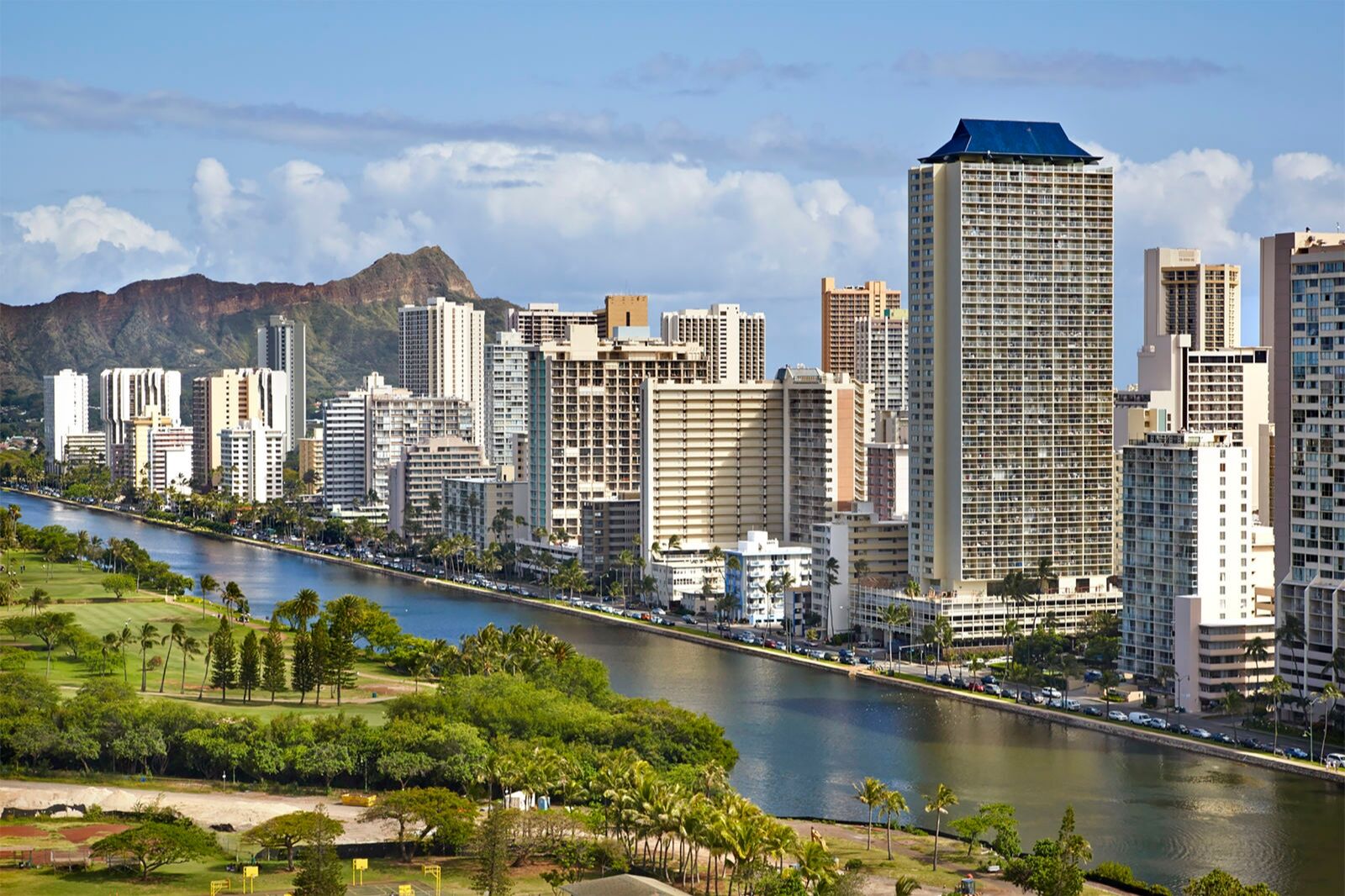
The primary hotel district lining the beach, with dense options from beachfront towers to budget inns close to snorkel tour meeting points.
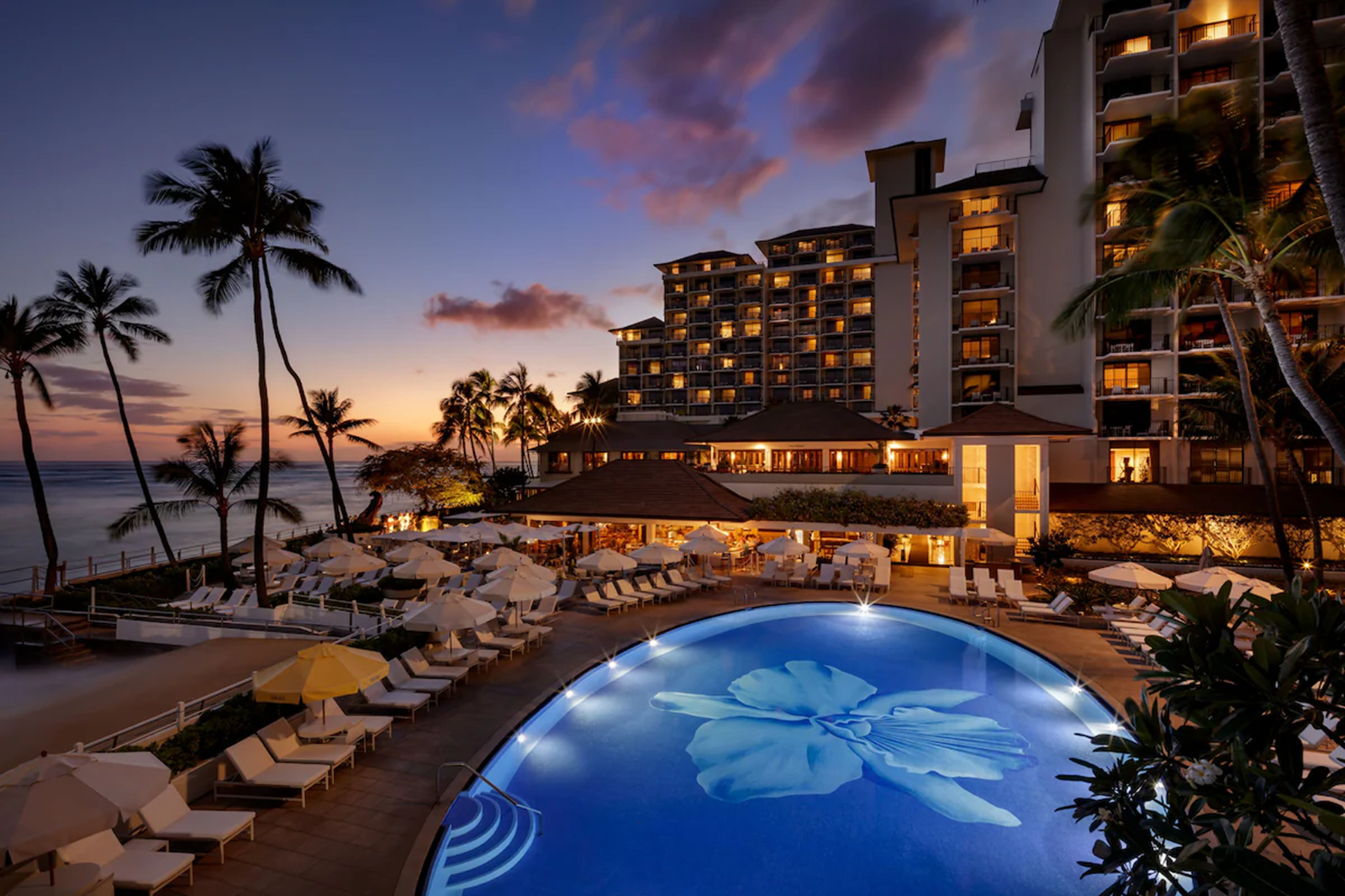
A beachfront hotel known for its oceanfront rooms and orchid-pattern pool near central Waikiki.
A beachfront resort near Fort DeRussy with easy access to catamaran launch points.
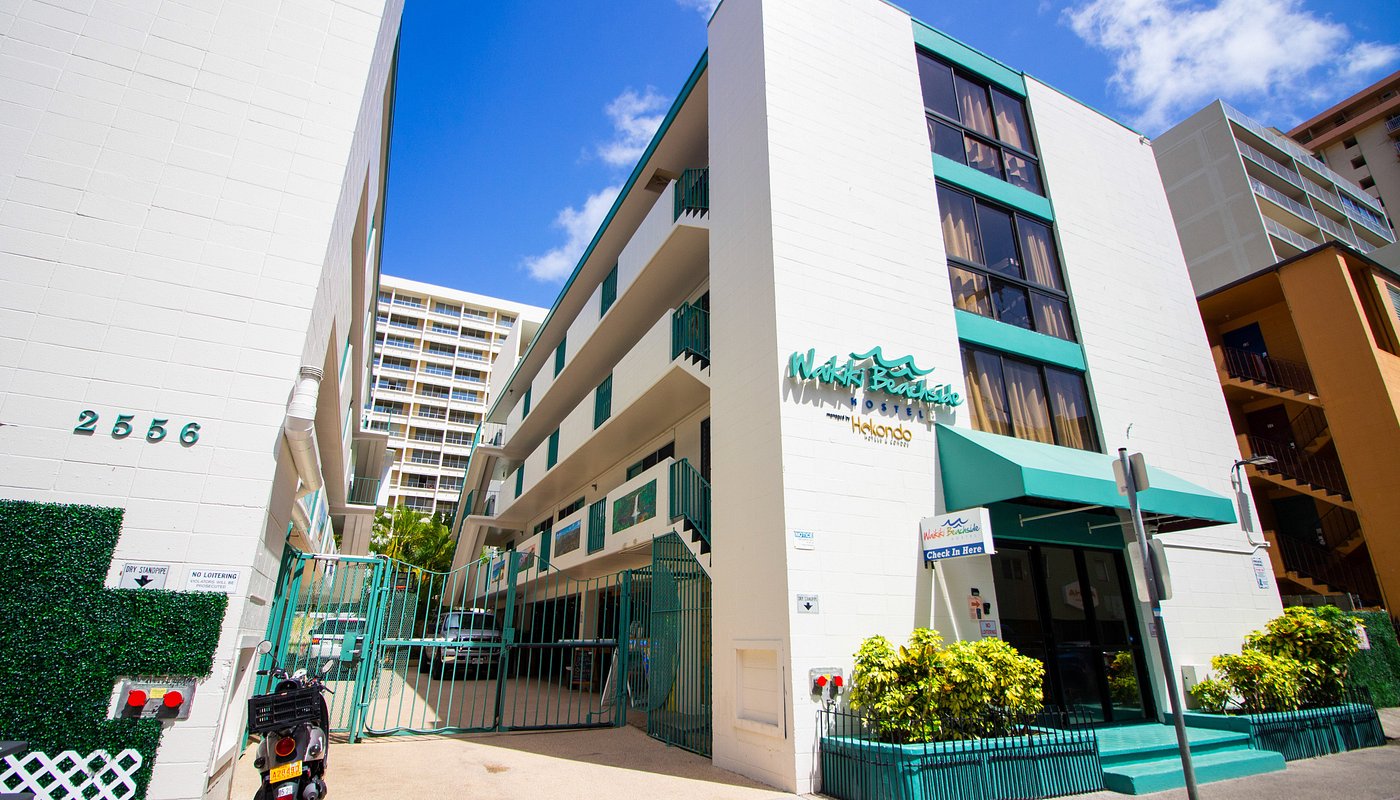
A budget hostel option a few blocks from the sand, popular with backpackers booking snorkel tours.
Unisciti a migliaia di viaggiatori felici che hanno scoperto questa incredibile esperienza
Prenota la tua esperienza ora