1 Std. 30 Min.
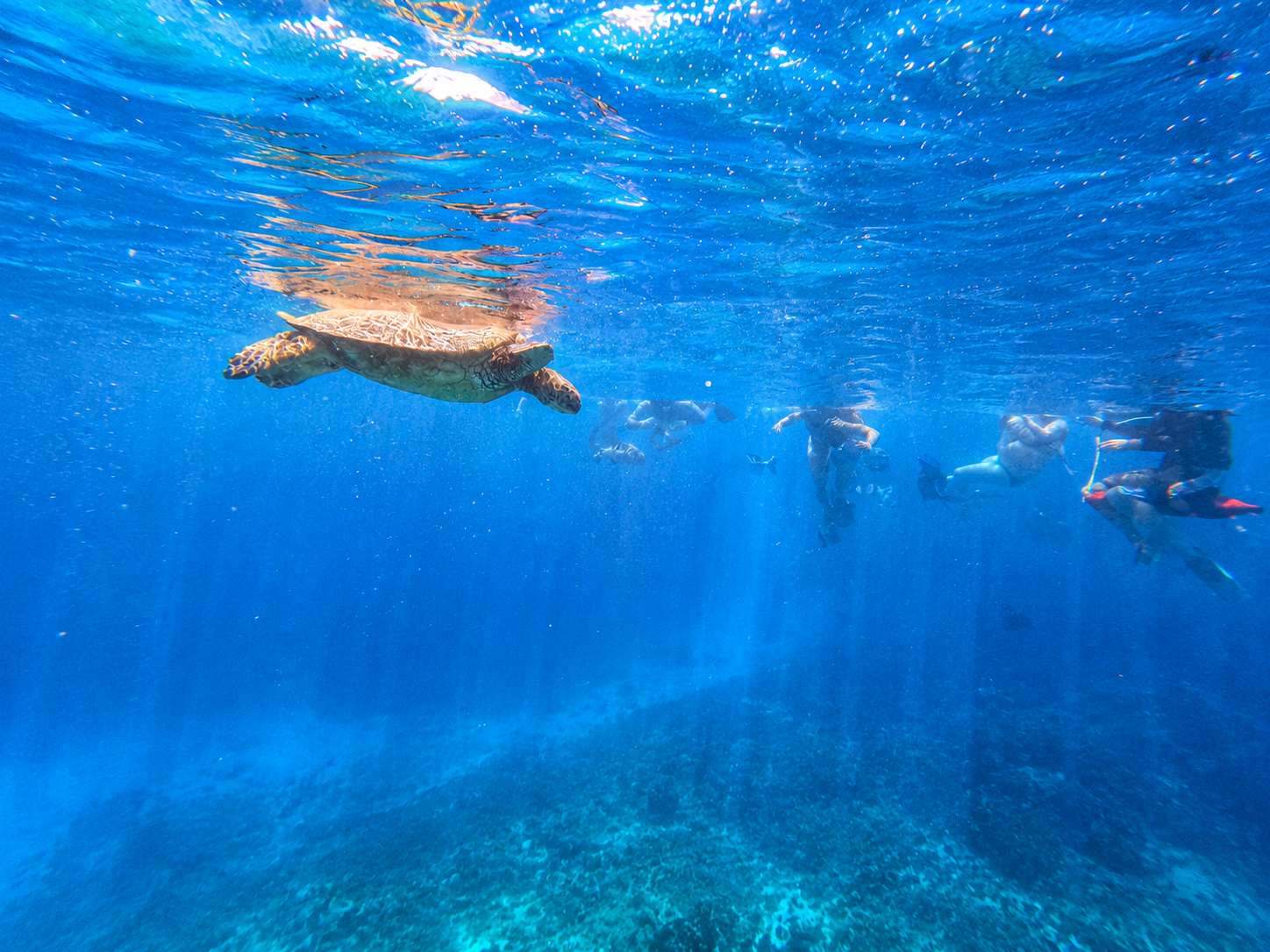
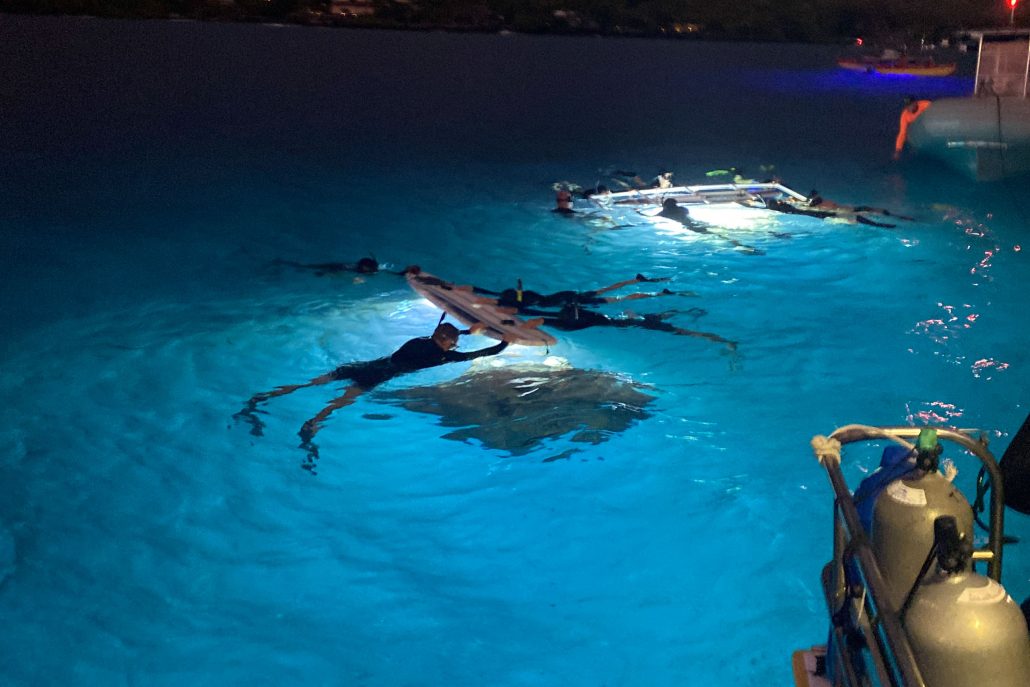
Waikiki Turtle Canyon Snorkeling Adventure
- Eintrittskarte
- Mobile Voucher
- Am selben Tag gültig
- Kostenlose Stornierung
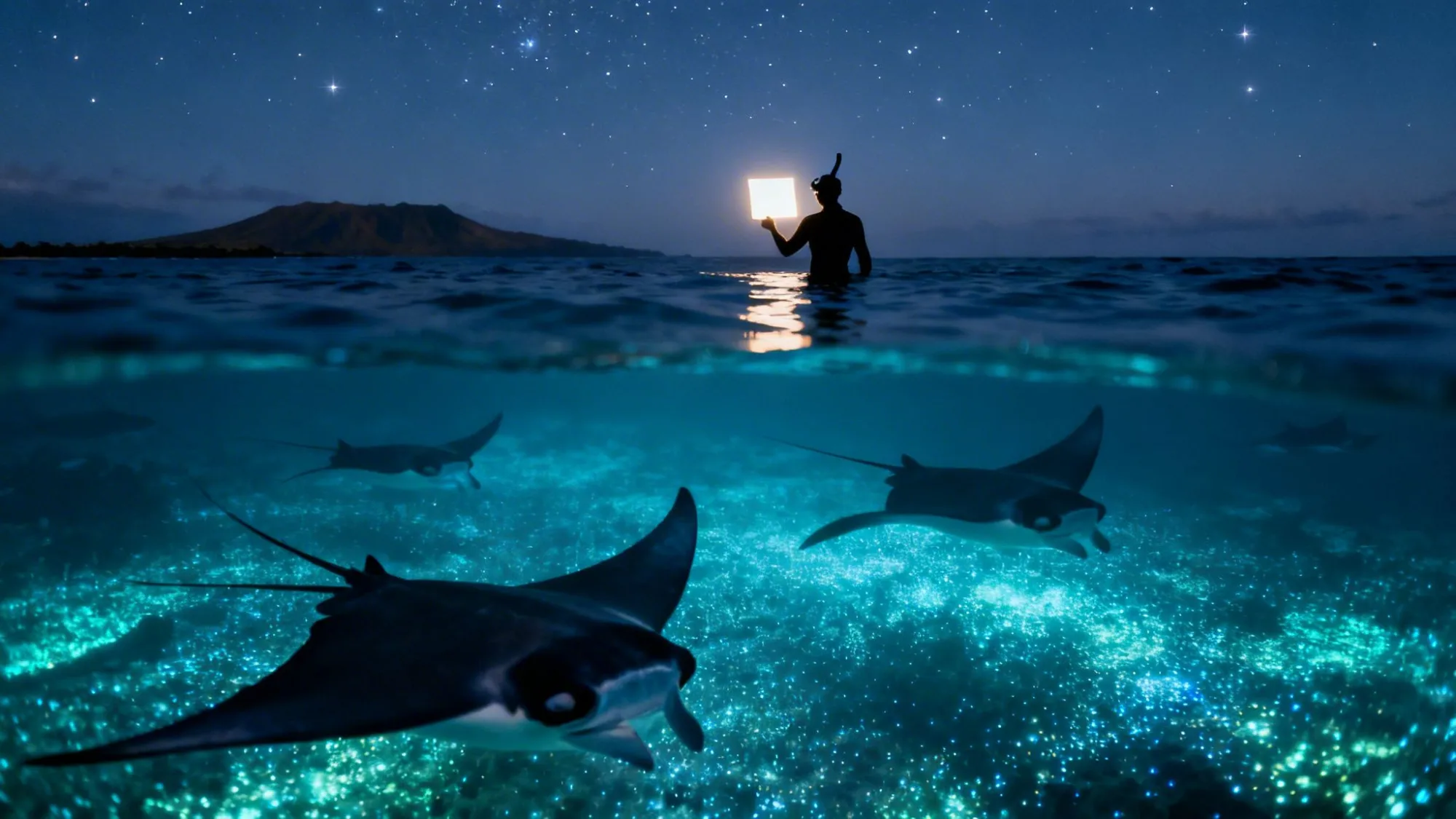
Slip beneath the surface at dusk, where reef octopuses hunt and bioluminescence trails your fins
Preise vergleichen, das Passende auswählen — alle Buchungen sind per Mobile-Voucher und wo angegeben kostenlos stornierbar.
1 Std. 30 Min.
3 Std.
2 Std.
| Erlebnis | Dauer | Bewertung | Abholung | Guide | Kleine Gruppe | Stornierung | Preis | |
|---|---|---|---|---|---|---|---|---|
|
Standard-Eintritt
Am beliebtesten
Waikiki Turtle Canyon Snorkeling Adventure
|
1 Std. 30 Min. | ★ 4.8 | — | ✓ | ✓ | ✓ | €66 | Buchen → |
|
Standard-Eintritt
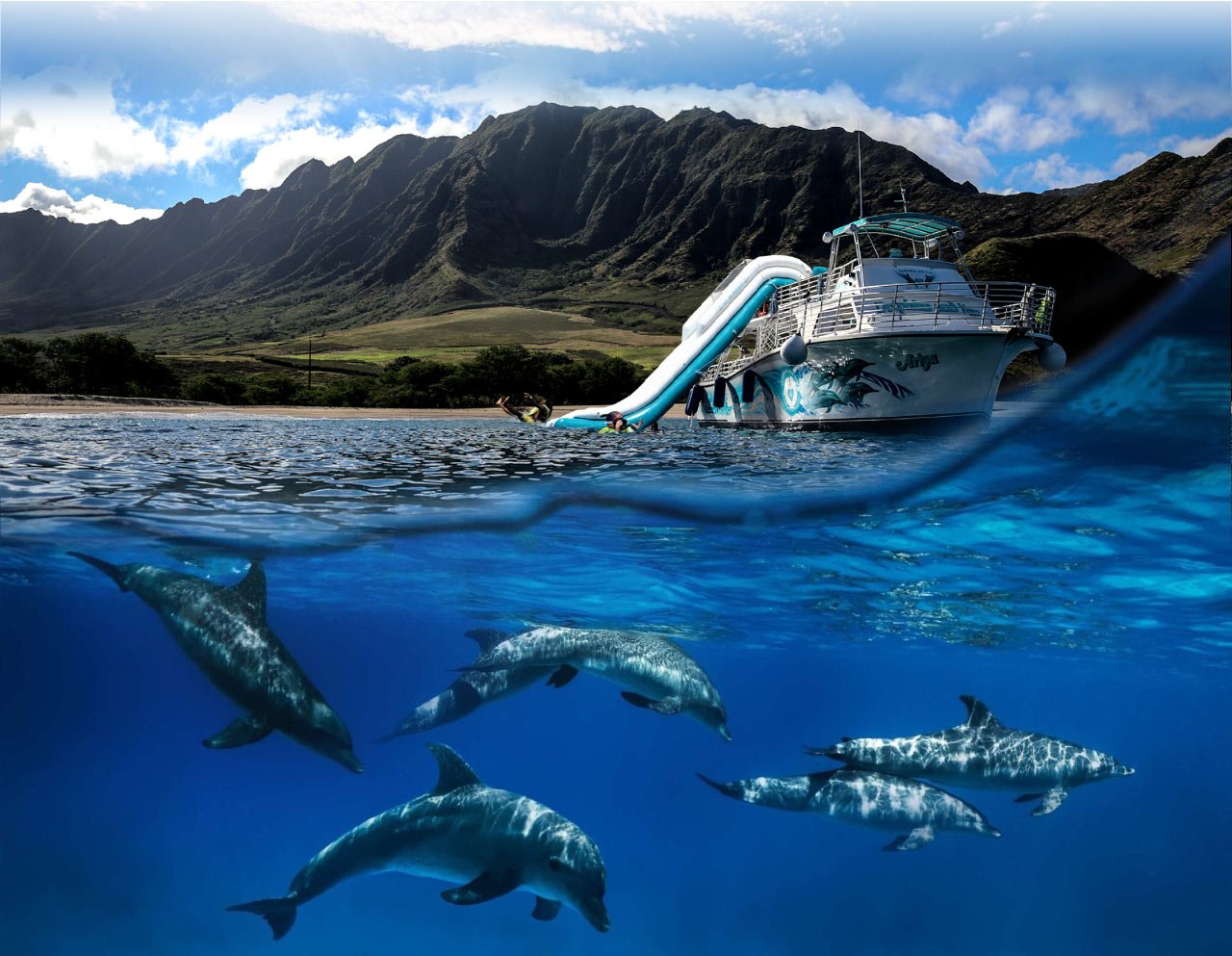
Wild Dolphin and Turtle Snorkel Adventure in Waianae
|
3 Std. | ★ 4.8 | ✓ | — | ✓ | ✓ | $194 | Buchen → |
|
Standard-Eintritt
Waikiki Turtle Snorkeling Catamaran Cruise
|
2 Std. | ★ 4.6 | — | ✓ | ✓ | ✓ | $68 | Buchen → |
Worth it for guided tours, free from shore
Night snorkeling on Oahu occupies a unique value position: beach access itself costs nothing, but guided tours—like the Waikiki Turtle Canyon and Wild Dolphin adventures available from Honolulu—typically range from $80 to $150 per person. That fee buys boat transport to deeper reef sites beyond shore-snorkeling range, professional gear including underwater lights, safety supervision after dark, and timing coordinated with dusk marine activity when manta rays, octopuses, and nocturnal reef fish emerge. Self-guided shore snorkeling at Waikiki Beach or Hanauma Bay after sunset remains free but limits you to shallower zones, requires your own flashlight, and carries higher risk without a guide. For confident snorkelers familiar with ocean conditions, the free option delivers genuine nocturnal marine life encounters. For visitors prioritizing safety, boat access to Turtle Canyon's deeper coral formations, or travelers uncomfortable navigating reef channels in low light, the guided tour fee represents reasonable value—you're paying for reach and oversight, not the experience itself.
Bottom line: Night snorkeling on oahu tours justify their cost if you want boat access and professional safety backup, but the shore remains open and free for experienced swimmers.
Handverlesene Erlebnisse, die von Tausenden von Reisenden geliebt werden
2 hours
Kostenlose Stornierung
Discover vibrant marine life and search for green sea turtles at a renowned cleaning station off Oahu's coast
2 hours
Kostenlose Stornierung
Swim alongside Hawaiian green sea turtles at their natural cleaning station with expert guides
3 hours
Kostenlose Stornierung
Three-hour marine safari combining wild dolphin encounters, reef snorkeling, and Hawaiian traditions
3 hours
Kostenlose Stornierung
Three-hour coastal sail from Wai'anae with guaranteed dolphin sightings, turtle snorkeling, and island lunch
1 hour 30 minutes
Kostenlose Stornierung
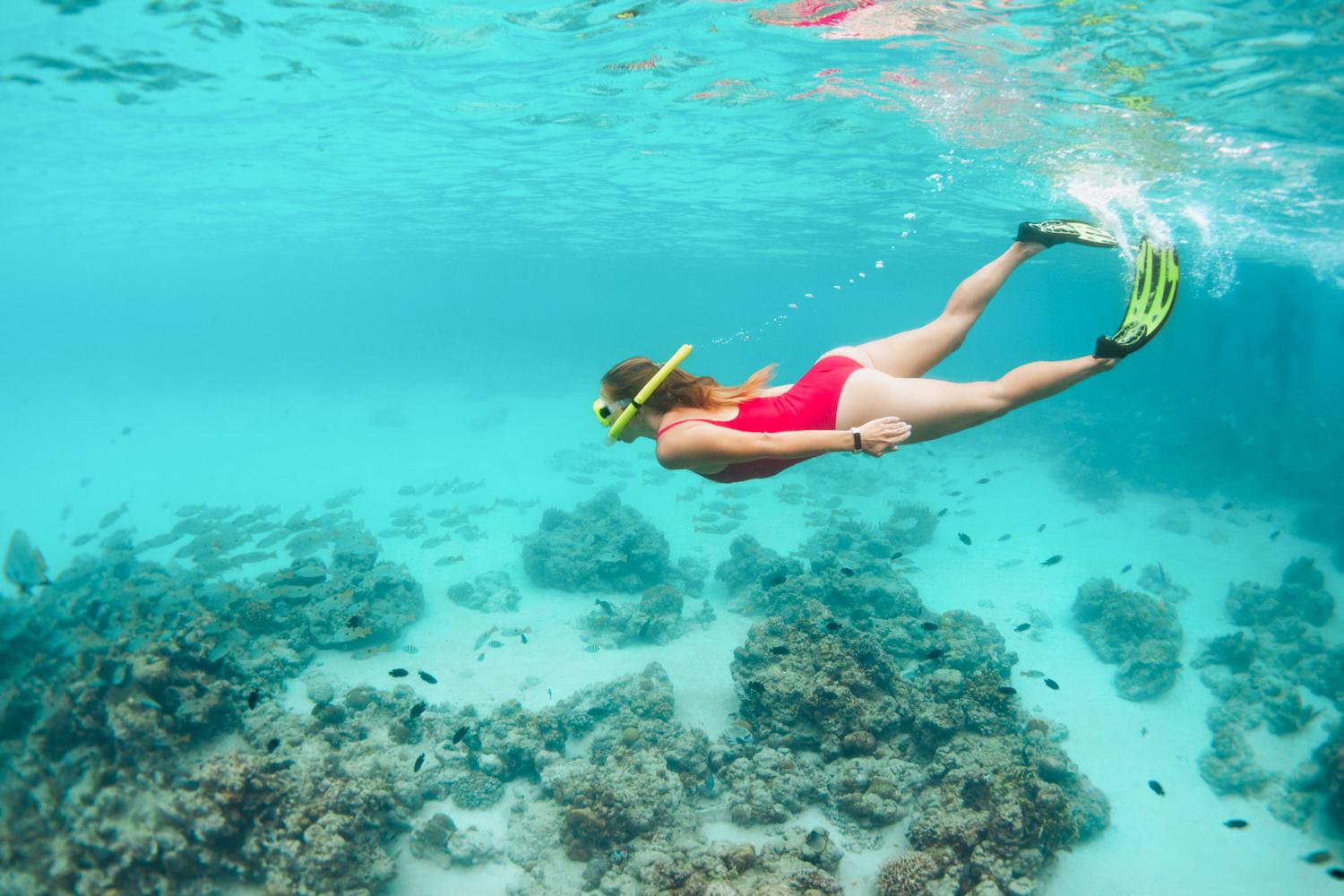
Explore Waikiki's lagoon with a guided snorkeling session—perfect for first-timers, complete with video keepsakes.
8 hours
Kostenlose Stornierung
Discover Oahu's stunning coastline with beach activities, mountain views, and a historic town visit
2 hours 30 minutes
Kostenlose Stornierung
Snorkel vibrant reefs, dine on Hawaiian cuisine, and watch dolphins as the sun sets over the Pacific.
3 hours
Kostenlose Stornierung
Three-hour catamaran adventure combining five ocean activities along Oahu's scenic southern coastline
Meet guide or arrive at beach entry point between 18:00 and 20:00 for dusk light
Fit mask, snorkel, fins, and dive light with guide or self-check at rental stand
Wade in from beach or board tour boat heading to a reef or manta ray site
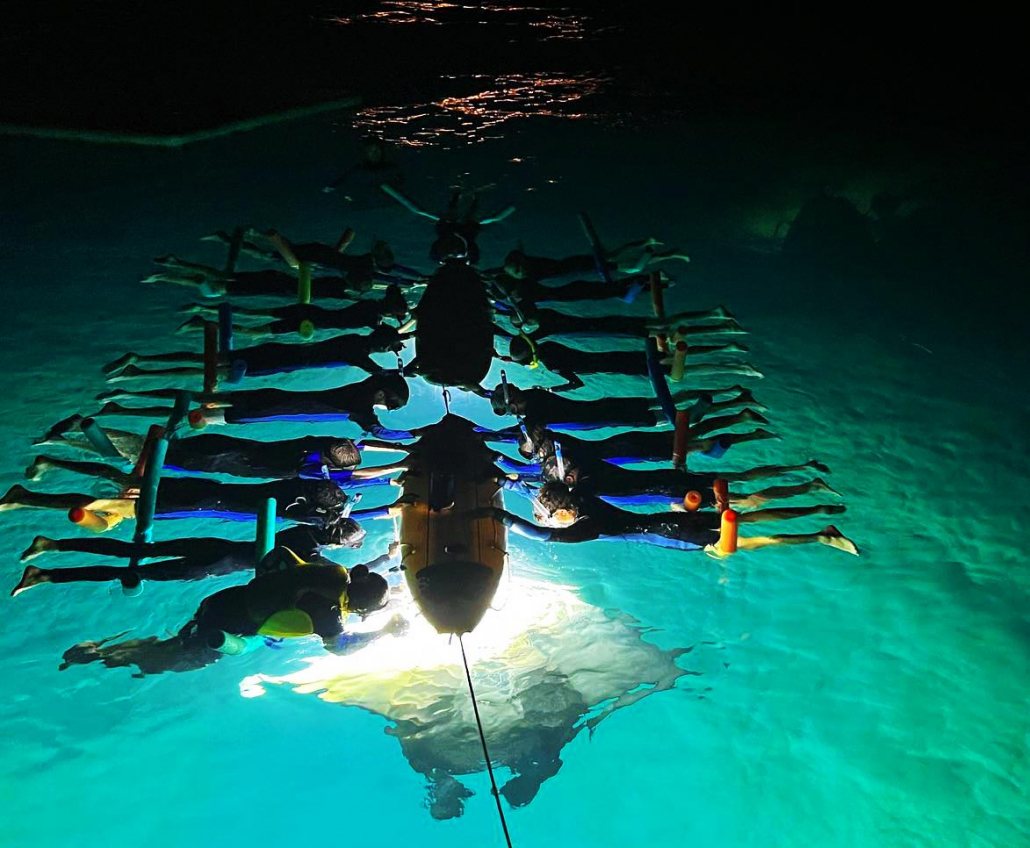
Follow dive lights across reef structures to spot nocturnal fish, rays, and coral polyps feeding
Return to shore or boat deck, rinse gear, and review sightings with guide
Shuttle or self-drive back to Waikiki or hotel area
A shallow nearshore reef system directly off Waikiki Beach where parrotfish and urchins become active after sunset. Depths here typically run 1 to 3 meters, making it the most accessible entry point for beginners.
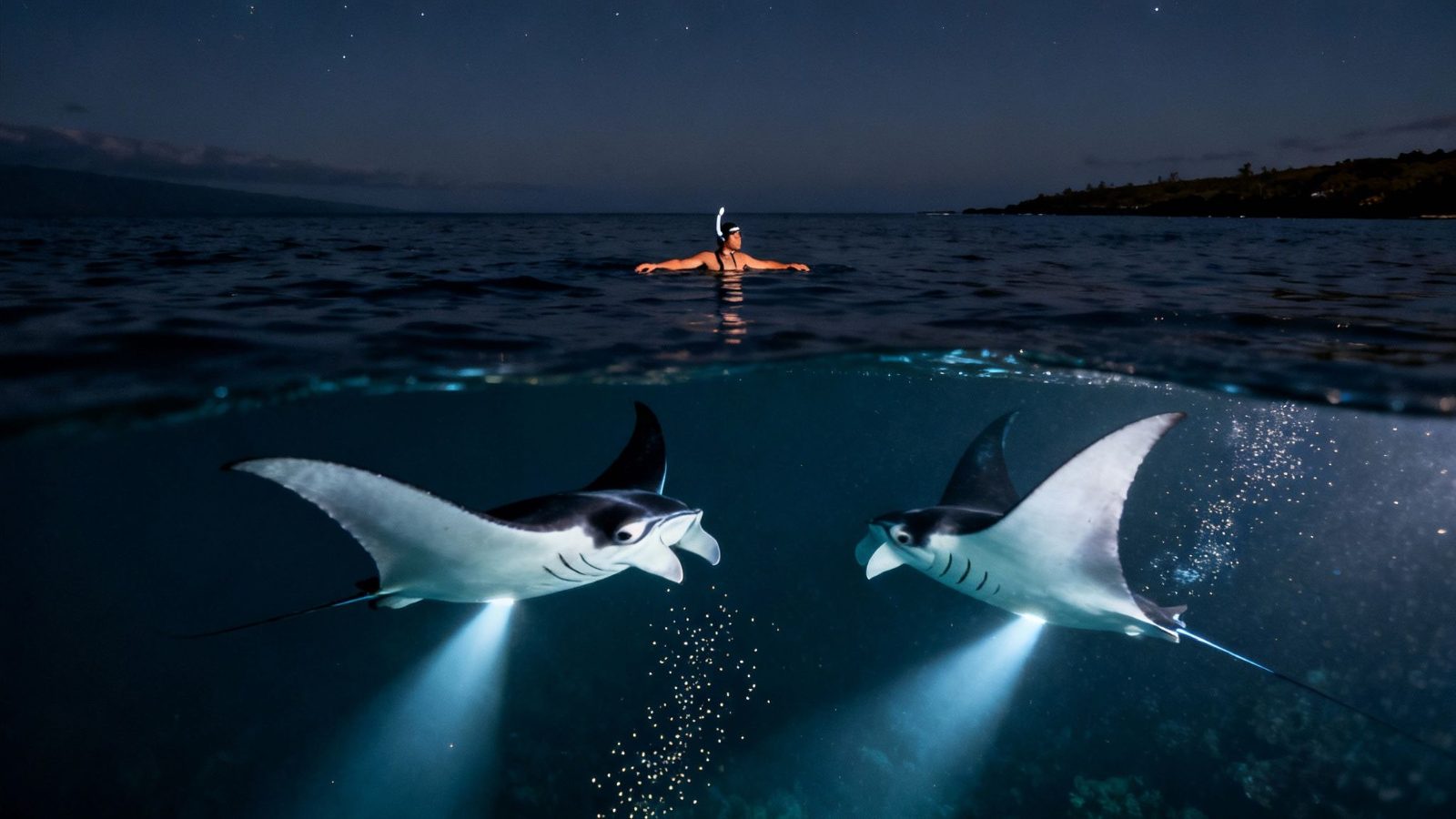
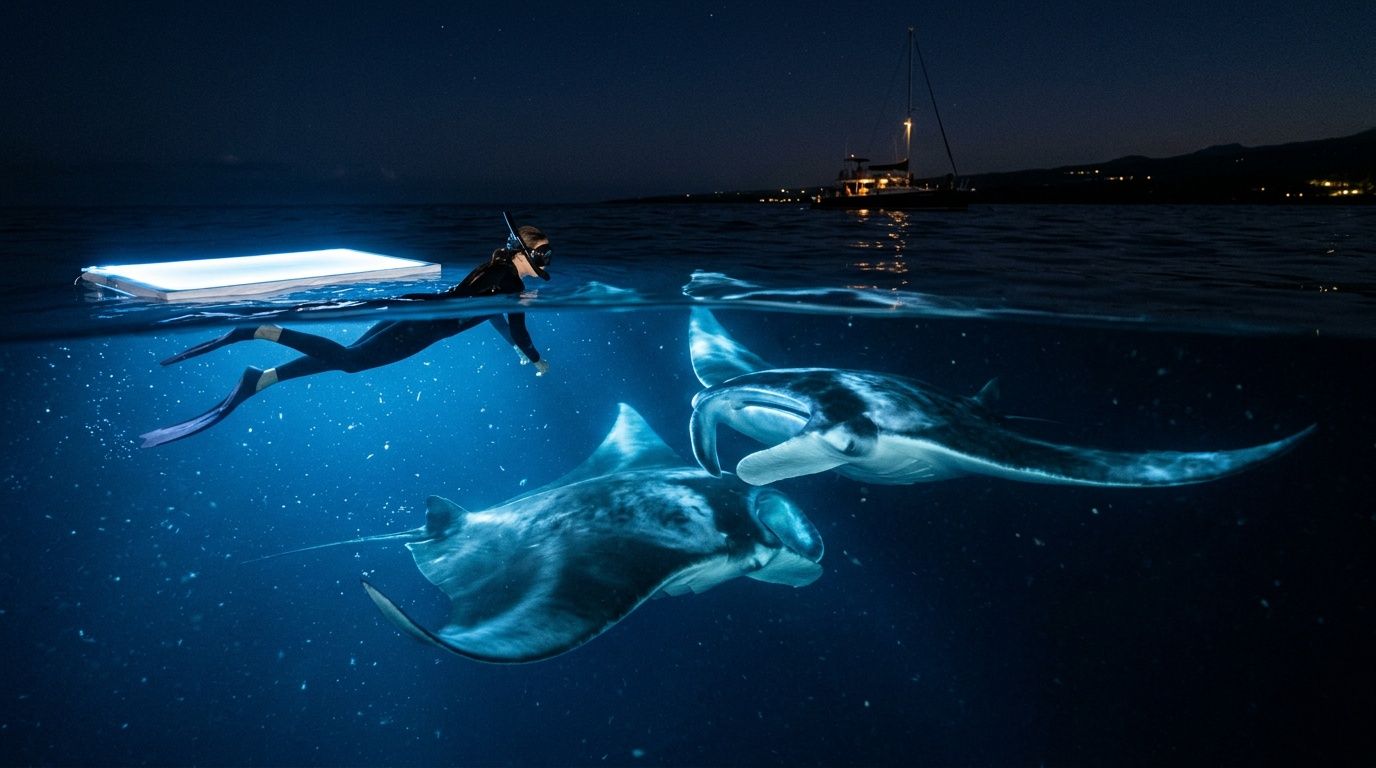
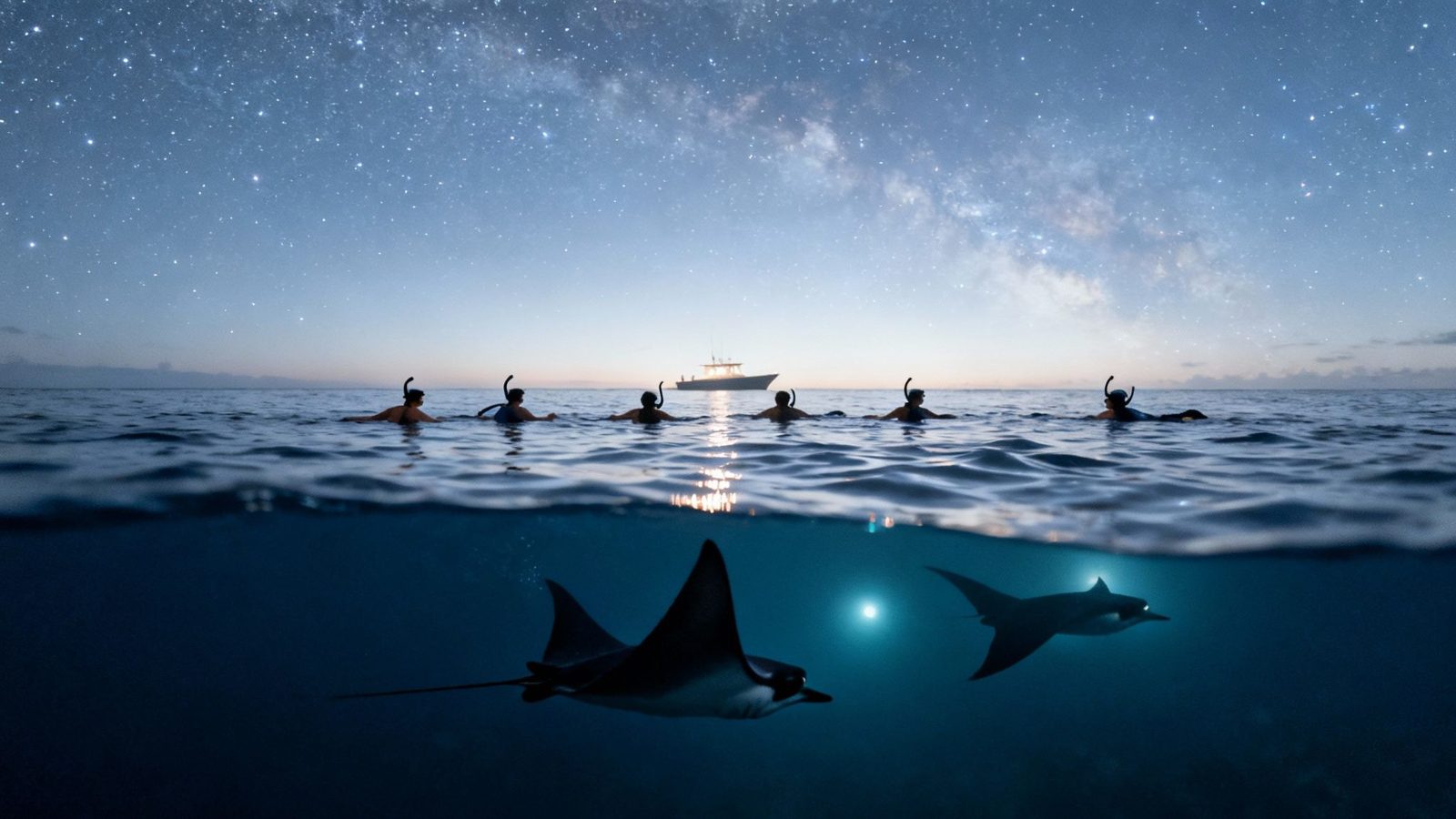
An offshore site reached by boat from Kewalo Basin Harbor where Pacific manta rays are drawn to plankton concentrated by dive light beams. Wingspans on adult manta rays here can reach over 3 meters across.
A volcanic rock formation and sea turtle resting area a short boat ride from Waikiki, known for green sea turtles settling into rock crevices at night. It sits roughly 1.5 kilometers offshore.
A west-side reef system off the Waianae Boat Harbor, notable for calmer evening water and frequent manta ray sightings during winter months. It is farther from Waikiki but often less crowded.
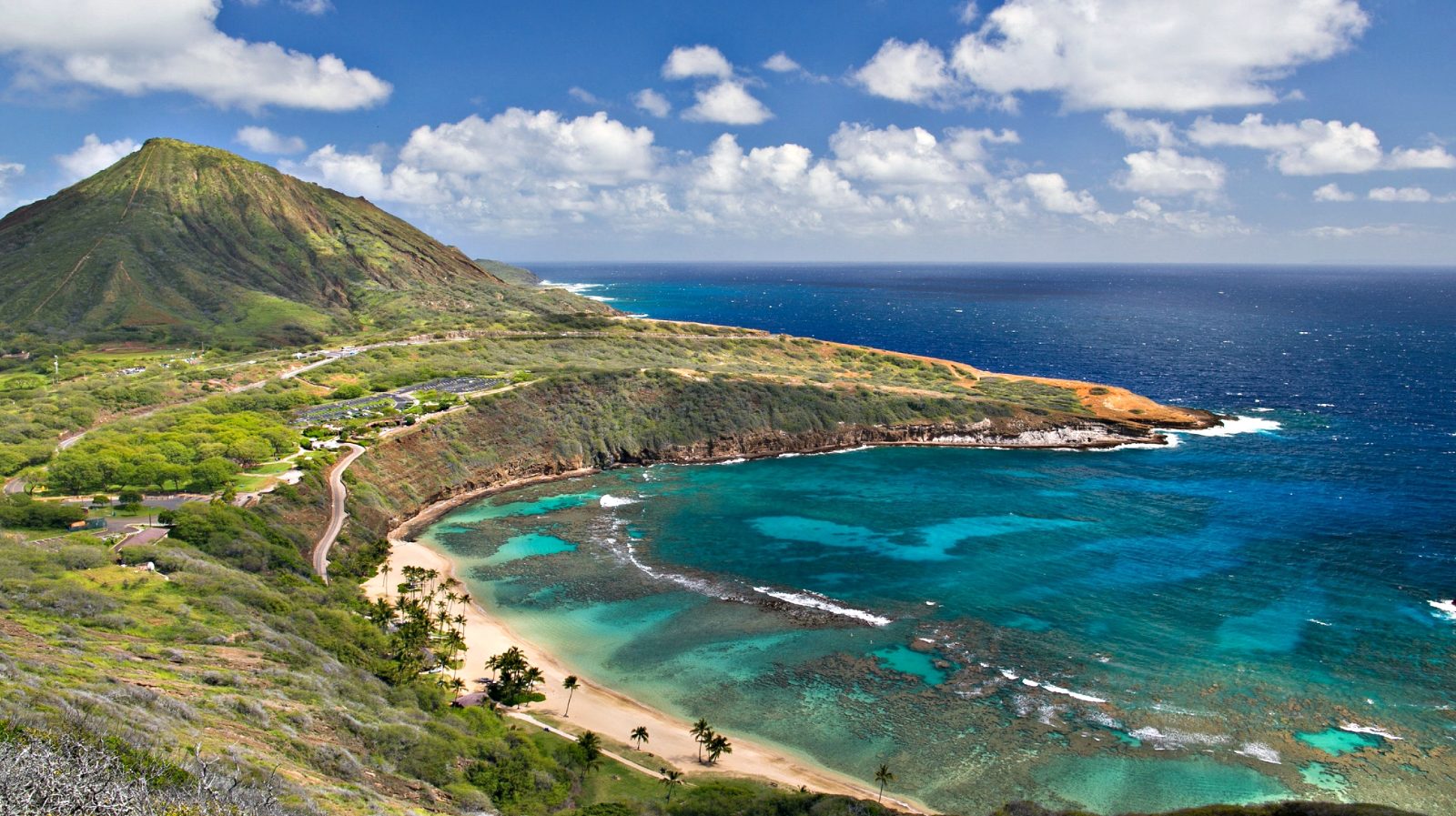
Though closed at night, this protected bay near Waikiki is the daytime staging point many operators reference for reef ecology briefings before evening trips elsewhere on Oahu. Formed inside a volcanic crater, it hosts over 400 fish species.
A shallow sandbar and channel area near Kaneohe used by some night tour operators as a calm staging zone before heading to deeper reef sites. Water depth over the sandbar itself can be under 1 meter at low tide.
You board the catamaran at Kewalo Basin as the sky softens to violet, the Waikiki skyline backlit in amber. The twelve-minute crossing to Turtle Canyon passes quickly—crew brief you on hand signals, night protocols, and the reef octopus you might spot hunting crabs along the basalt ridges.
At the mooring site, you adjust your mask, bite down on the snorkel, and slip backward into water that feels warmer than the evening air.
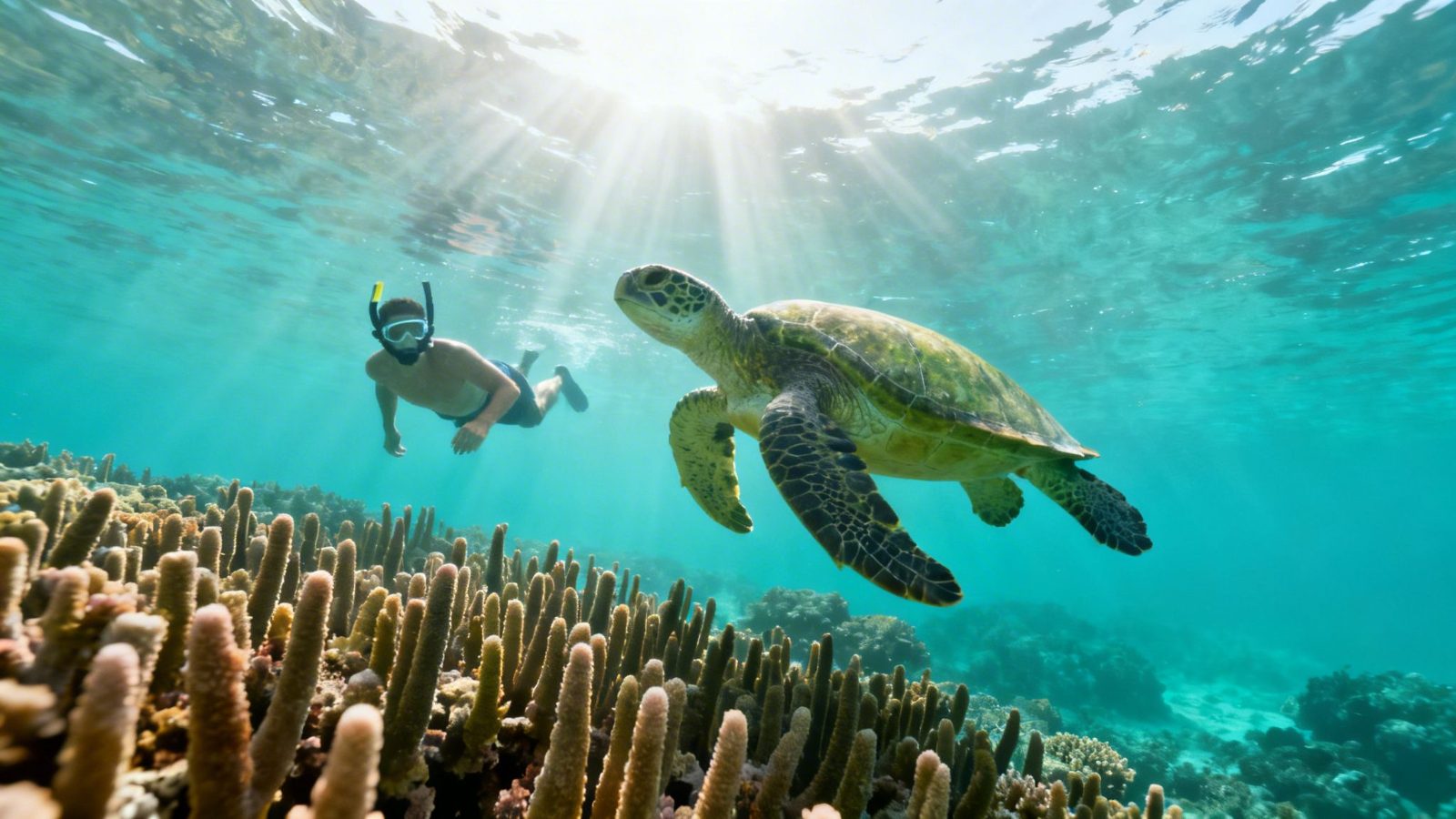
Your guide's torch beam cuts a cone of light through the blue-black, and you kick toward it, your own flashlight catching the flicker of silvery baitfish scattering in pulses. A green turtle rests on a ledge two meters below, eyes half-closed, unbothered. You hover, equalizing, watching its chest rise in slow rhythm. Farther along the ridge, the guide points down: a reef octopus, rust-red and the size of your forearm, pours itself through a gap in the coral, tentacles probing for prey. You follow its path until it vanishes into a crevice, then surface, exhale, and float under the stars while bioluminescent plankton trail your hands in faint green streaks.
Alle Details Ihres nächsten Abenteuers an einem Ort
Oahu's coastal waters host more than 450 reef fish species, yet fewer than 30 percent of visitors witness the archipelago's nocturnal marine shift.
When the sun drops below the Waianae Range, parrotfish encase themselves in mucus cocoons, nocturnal predators emerge from lava crevices, and bioluminescent plankton illuminate every stroke. The phenomenon drew Hawaiian fishermen to torch-lit night dives centuries before modern snorkel gear arrived, and today's after-dark excursions follow those same volcanic drop-offs where the continental shelf plunges to 600 meters within two kilometers of shore.
Night snorkeling on Oahu centers on three ecological zones: Turtle Canyon's basalt ridges off Waikiki, the dolphin corridors of Waianae's leeward coast, and the bioluminescent bays near Kahe Point. Each zone supports distinct nocturnal fauna. Turtle Canyon, a submerged crater 400 meters offshore, shelters Hawaiian green turtles that rest on ledges after sunset, their metabolic rate dropping 40 percent in darkness. Waianae's deeper channels attract spinner dolphins during evening feeding runs, while the plankton blooms near thermal outflows create bioluminescent clouds visible only after twilight. Tour operators time departures for the 18:00 to 20:00 window, when diurnal species retreat and reef octopuses begin their hunt.
The archipelago's volcanic geology shapes every night dive. Oahu's southern shore formed from the Koolau volcano's underwater flows 2.5 million years ago, leaving a lattice of lava tubes, arches, and swim-throughs now colonized by coral. At night, these structures shelter moray eels, lobsters, and the endemic flame wrasse, a crimson fish that hides by day and forages after dark. Guides carry underwater torches to reveal color: red wavelengths disappear below ten meters in daylight, but artificial light restores the full spectrum, turning gray reef walls into tapestries of orange cup coral and violet sponges.
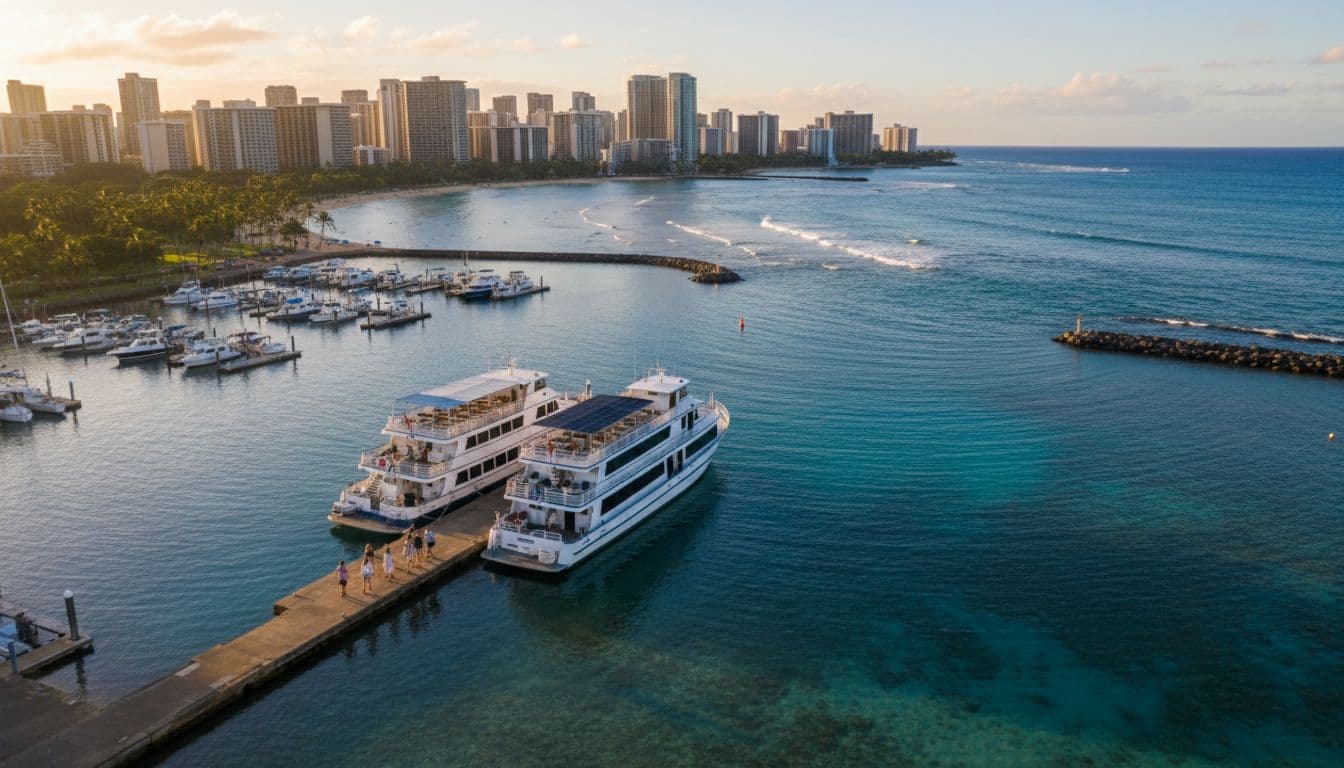
Catamaran-based night snorkeling tours depart from Waikiki's Kewalo Basin, reaching Turtle Canyon in twelve minutes. Smaller zodiac charters leave Waianae Harbor for dolphin sites farther offshore, where depths exceed 20 meters and pelagic species—jacks, barracuda, occasional reef sharks—patrol the thermocline. Both formats provide wetsuit rentals and flotation devices, critical in water that cools to 24 degrees Celsius after sunset. The sensory inversion defines the experience: limited visibility compresses focus to a three-meter radius, amplifying the rustle of parrotfish shifting in their cocoons and the click of snapping shrimp that dominate the reef's acoustic landscape once human chatter fades.

Red wavelengths disappear below ten meters in daylight, but artificial light restores the full spectrum, turning gray reef walls into tapestries of orange cup coral and violet sponges.
Wear a swimsuit under a rash guard or wetsuit top, since evening water and air temperatures drop several degrees after sunset even in Honolulu. Closed-toe reef shoes or fins booties help on lava rock entries common along the Oahu shoreline.
There are no bag checks or lockers at Waikiki Beach or other public shoreline entry points used for night snorkeling on Oahu, so valuables left on sand are at the owner's risk. Guided boat tours typically provide a gear bin on deck for wallets and phones during the water session.
Photography is unrestricted on the public beach and shoreline, but a dive light or underwater flash is needed since ambient light is minimal after 18:00. Many night snorkeling on Oahu tour operators sell or rent underwater flashlights specifically for photographing manta rays and reef fish after dark.
Children snorkeling at night should stay within arm's reach of an adult, and most guided operators set minimum age requirements around 8 to 10 years old. Life vests are recommended for younger or less confident swimmers during any evening water activity.
Waikiki Beach has beach access mats and a few beach wheelchairs available seasonally through the City and County of Honolulu, but rocky shoreline entry points elsewhere on Oahu are not wheelchair accessible. Water entry for snorkeling still requires independent mobility or an assistant.
Food and non-alcoholic drinks are allowed on the public beach areas of Waikiki and the Oahu shoreline, but glass containers and littering are prohibited. Alcohol is restricted to permitted zones only, and eating is not permitted while actively in the water during a night snorkeling session.
Public beach, always accessible
Midweek, fewer tour boats
Busier, weekend tours start
Heaviest tour bookings
Best window
18:00–20:00 dusk entry
Where
Waikiki Beach and Oahu shoreline waters, Honolulu, HI
Access
Public beach access, no ramps into water
Conditions
Warm year-round, water temp ~24–27°C
Storage
No lockers at public beaches, bring dry bag
Car · 10–20 min from most Honolulu hotels · Parking averages $10–20 for evening hours
Drive via Ala Wai Boulevard or Kalakaua Avenue to reach Waikiki Beach parking structures.
Public transport · 20–40 min from downtown Honolulu · $3 flat fare
TheBus routes 2, 8, 13, and 20 serve the Waikiki area with stops along Kuhio Avenue.
Taxi · 10–15 min to Kewalo Basin · $10–25 depending on distance
Rideshare or taxi pickup is straightforward from any Waikiki hotel lobby to harbor departure points.
Walk · 5–15 min · Free
Waikiki Beach itself is walkable from most Waikiki hotels along Kalakaua Avenue.
Public beach access for night snorkeling on Oahu is free and has no cancellation policy since entry costs 0 USD. Guided night snorkeling on Oahu tours charge separate fees and each operator sets its own refund window, so check the specific tour's terms at booking.
Recommended time
2-3 hours
Plan on 2 to 3 hours total for night snorkeling on Oahu, which covers gear fitting, a short briefing, entry near dusk, and 45 to 75 minutes in the water once manta rays and other nocturnal marine life become active under the lights. Arriving right inside the 18:00-20:00 window matters because visibility in the water still holds some fading daylight, making the transition to full dark easier on first-timers before the real dusk entry hunt begins. Add 30 minutes if you're renting gear on-site or driving from Waikiki during evening traffic, and subtract little else since there is no ticket queue to speak of at open shoreline access points. Most operators time their skip-the-line night snorkeling on oahu tours to launch right at dusk, so pacing your arrival with their departure, not the clock, is what actually keeps the outing on schedule.
Wetter · Andrang · Durchschnittspreis — Punkte wechseln von grün über gelb zu rot, je höher der jeweilige Wert steigt.
Water stays around 26–27°C and trade winds ease, giving calmer evening seas for night snorkeling on Oahu. Crowds thin out after the summer peak, making September through November a comfortable shoulder season.
Ocean swells rise on the North Shore, but South Shore sites near Waikiki stay calmer for evening snorkeling. Air temperatures drop slightly after dusk, so a wetsuit top is worth packing.
Visibility improves as winter swells fade, and water temperatures begin climbing toward 25°C. This is a quieter stretch before summer tourist volume picks up.
Warmest water of the year, near 27°C, but also the busiest season with peak tourist arrivals in Honolulu. Booking a night snorkeling on Oahu tour in advance is advisable during these months.
Darker, new-moon nights make dive lights more effective for spotting nocturnal reef life during night snorkeling on Oahu. Full-moon nights wash out some contrast underwater.
A strap prevents losing the light in current or when adjusting a mask, which matters most for manta ray night snorkel Oahu tours in deeper water.
Salt residue degrades rental mask seals and fin straps faster in Hawaii's warm climate, so a fresh-water rinse extends gear life.
South Shore swell conditions near Waikiki change seasonally, and checking a local surf report avoids entering during a rip current advisory.
Hawaii state law bans oxybenzone and octinoxate sunscreens, and residual sunscreen on skin from daytime still washes off during an evening swim.
Night visibility is limited even with lights, so pairing with another snorkeler or staying close to a guide reduces the chance of separation.
Kalakaua Avenue, Honolulu, HI 96815
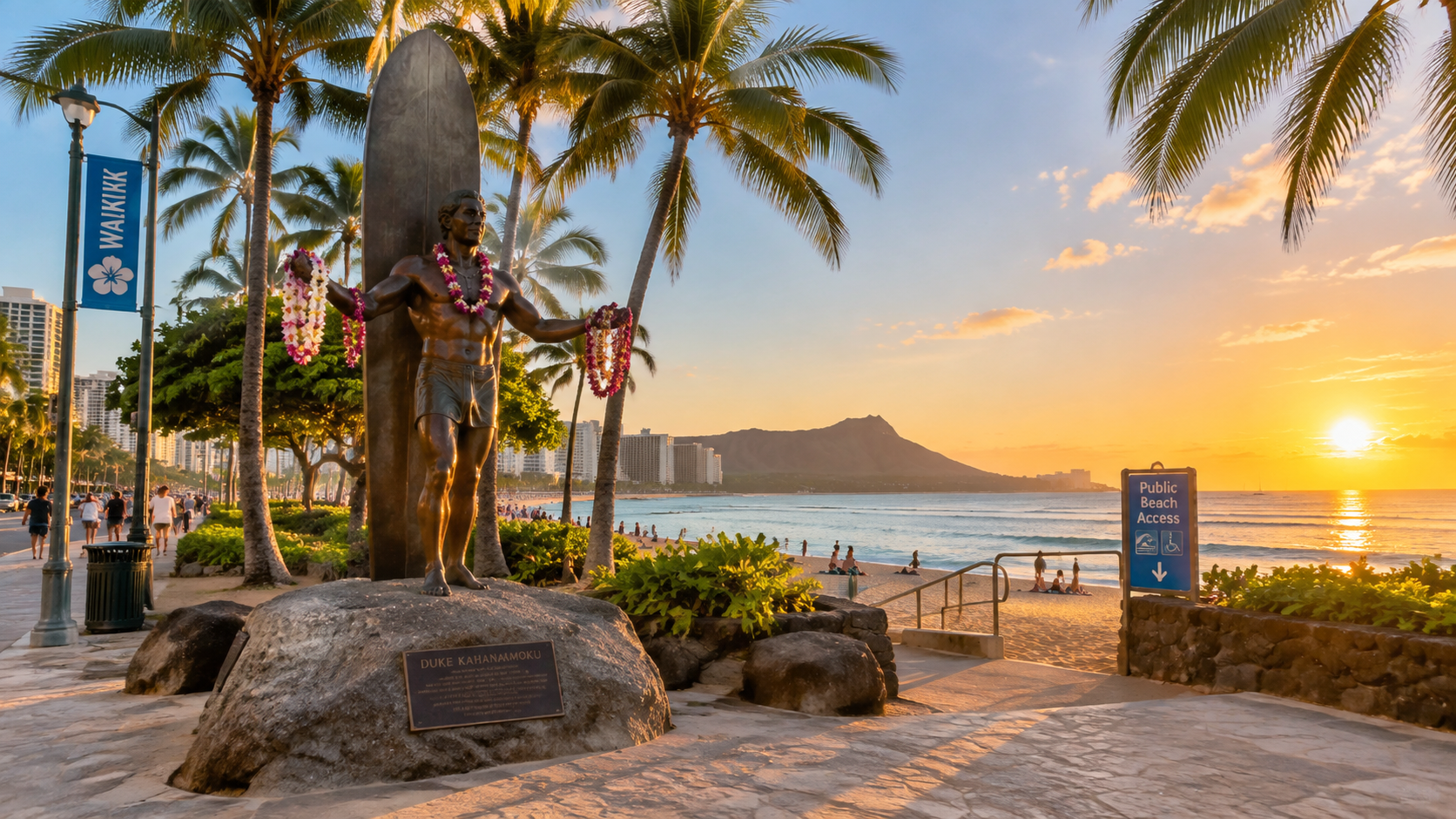
Public access point near Duke Kahanamoku statue
Get directions
1125 Ala Moana Blvd, Honolulu, HI 96814
Common boat departure point for guided night tours
Get directions
85-491 Farrington Hwy, Waianae, HI 96792
West side departure point for manta ray night tours
Get directionsNight snorkeling on Oahu emerged in the 1970s when commercial dive operators began experimenting with underwater flashlights and waterproof torches to extend reef tours beyond daylight hours. The practice grew from spearfishing traditions among Native Hawaiian communities, who had navigated these waters after dark for centuries using torchlight to attract fish. By 1982, Waikiki Beach outfitters were advertising guided nocturnal reef walks, capitalizing on the discovery that many reef species—octopuses, moray eels, and parrotfish wrapped in mucus cocoons—exhibited behaviors invisible during the day. The 1990s brought a shift when marine biologists at the University of Hawaii documented manta ray aggregations near offshore dive sites, drawn to plankton clouds illuminated by boat lights. Tour operators quickly adapted, launching dedicated manta ray night snorkeling tours that became Oahu's signature after-dark marine experience. Regulations tightened in 2003 after complaints about light pollution disrupting nesting sea turtles along the North Shore; the state imposed vessel distance limits and restricted high-intensity lights within 100 yards of designated turtle nesting beaches from May through September. Commercial operators faced a crisis in 2015 when a snorkeler drowned during a night tour off Electric Beach, prompting new certification requirements for guides and mandatory safety briefings. The incident accelerated the adoption of LED wristbands and tethered flotation devices, now standard across licensed night snorkeling on Oahu tours. Today the activity centers on Waikiki's protected nearshore reefs and the West Oahu coast, where bioluminescent plankton blooms and sleeping reef fish attract thousands annually. Public beach access remains free, though most participants join guided excursions for navigation support and marine life interpretation in low-visibility conditions.
Commercial operators introduce underwater flashlights for after-dark reef tours
Waikiki outfitters begin advertising guided night snorkeling experiences
Manta ray aggregations documented near offshore sites, spawning dedicated tours
State restricts high-intensity lights near turtle nesting beaches during summer months
Drowning incident leads to mandatory guide certification and safety equipment standards
LED technology and bioluminescent plankton tours expand accessibility along West Oahu coast
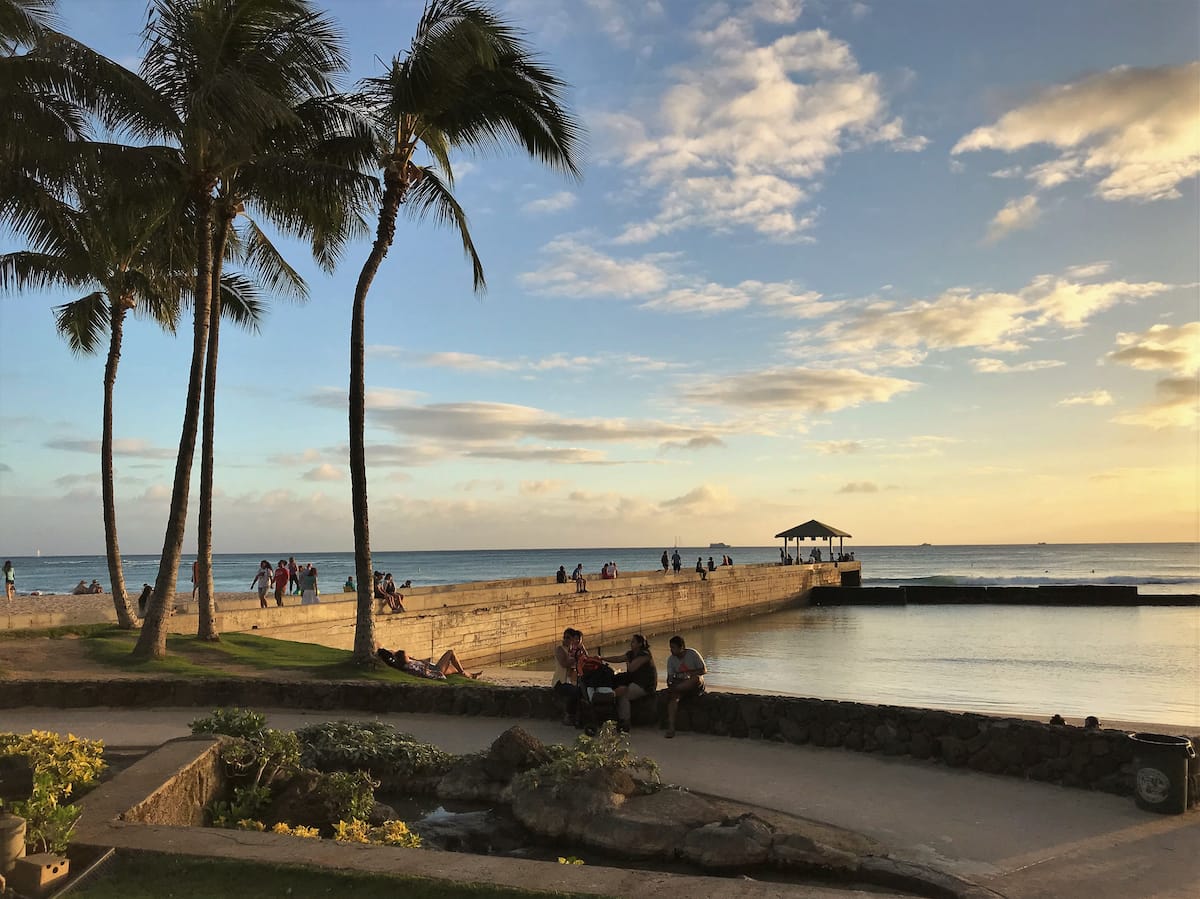
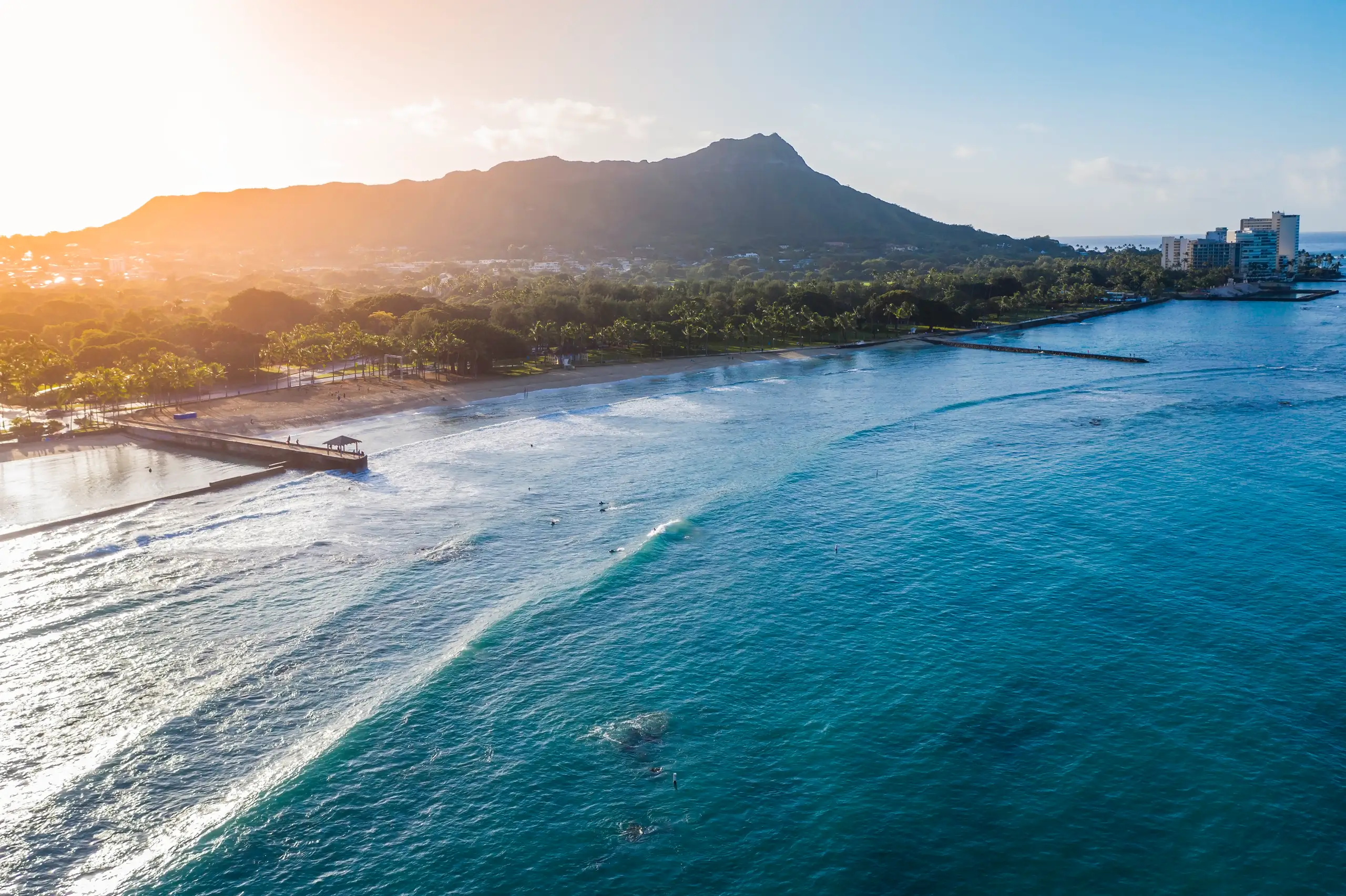
Wide view of the torch-lit pier pilings where night snorkeling on Oahu tours gather before entering the water, with Diamond Head silhouetted behind swimmers. Stand at the pier's mid-point railing for a clear line over the lit shoreline. Best shot includes both the dive lights underwater and the hotel skyline glow above.
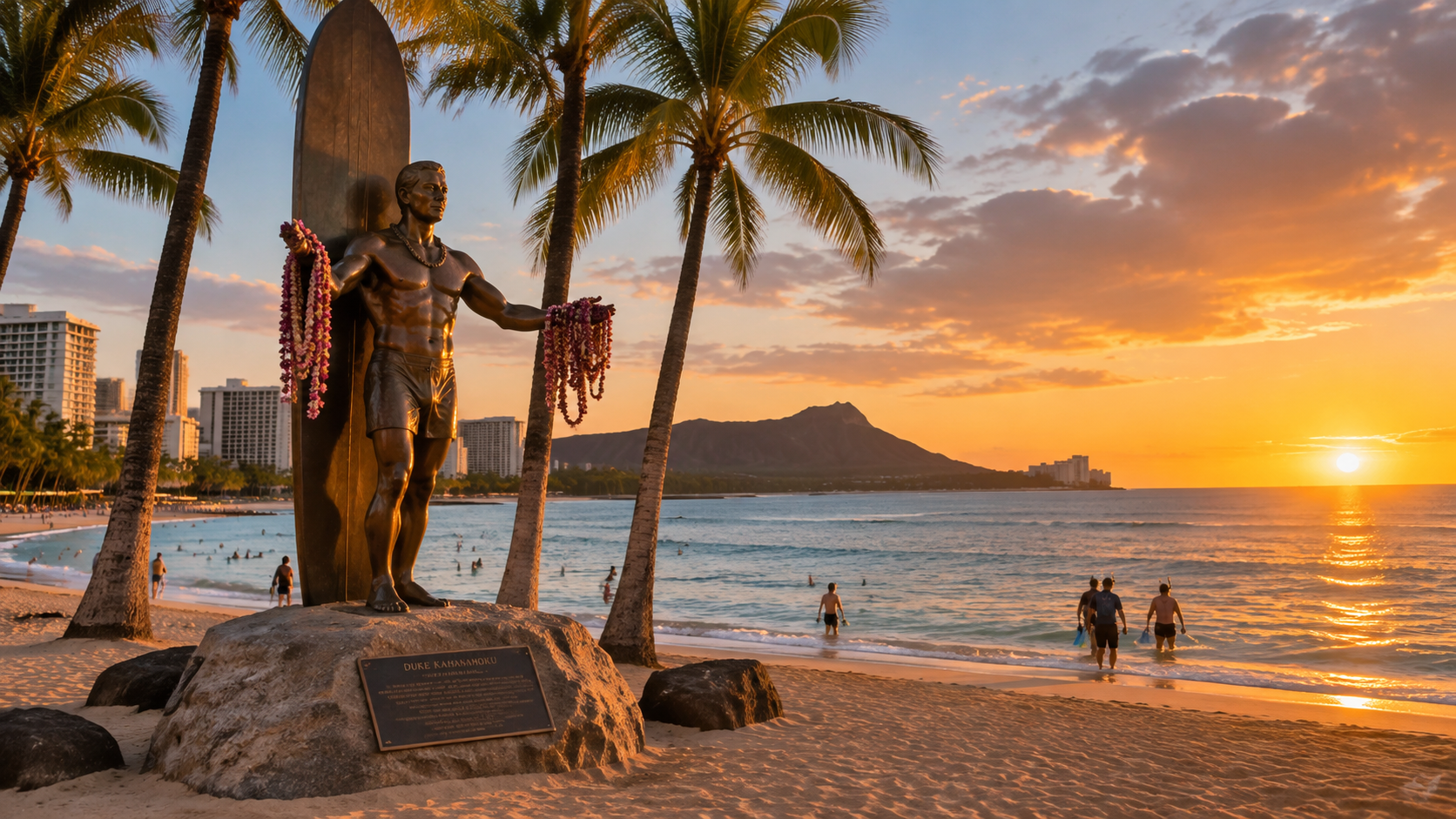
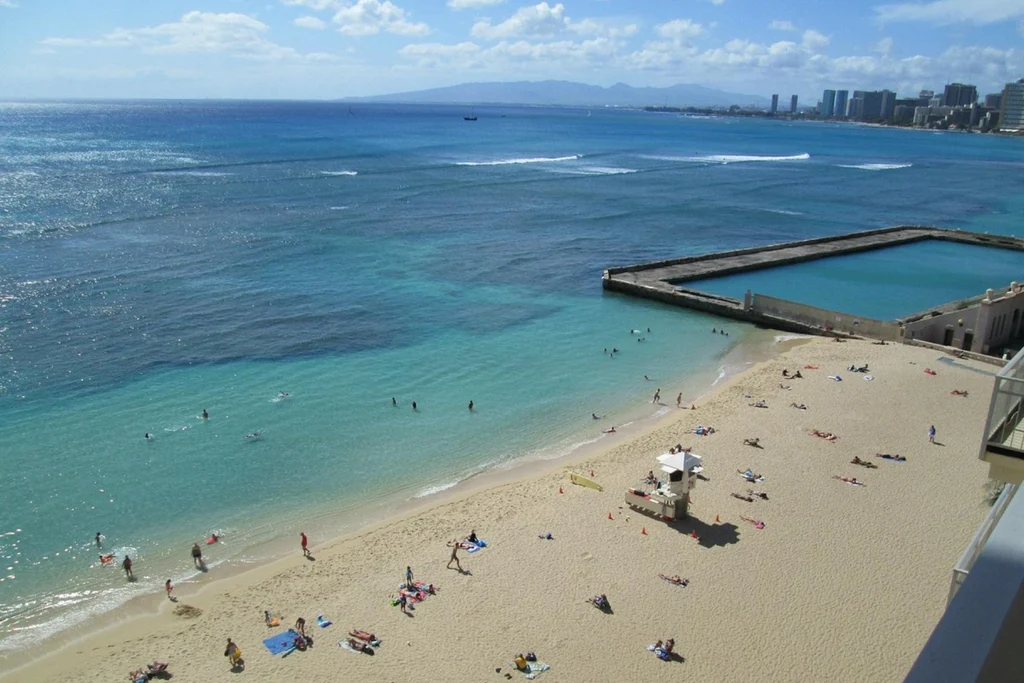
Classic foreground for wide shots of Waikiki's shoreline before snorkelers wade out, with the bronze statue lit against the darkening sky. Shoot from the sand a few yards back to keep the statue and the water entry point both in frame. Crowds thin fast after sunset, making early dusk the cleanest window.
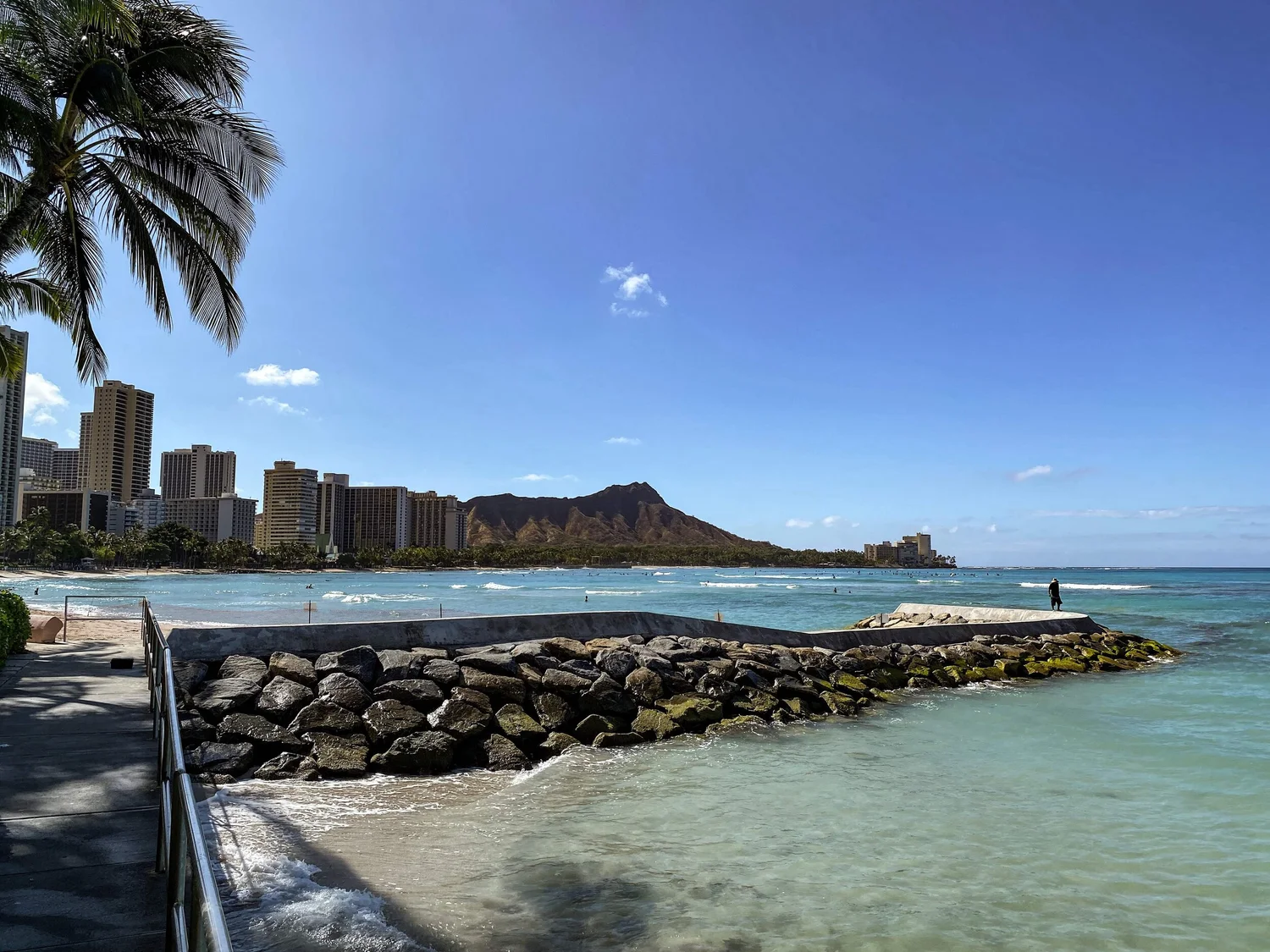
A low stone jetty that separates swim zones and gives a raised, stable vantage over entry points used by guided snorkel groups. Stand at the seaward tip for a clean angle across the water toward the lights of the hotel strip. Footing is uneven and can be slick, so move carefully in low light.
Open sand stretch near the aquarium end of Waikiki with a flatter, less crowded entry point favored by smaller snorkel groups. The unobstructed view toward Diamond Head makes this a favorite for silhouette shots as the sky fades. Access is straightforward and free, with no barriers to the sand.
A calm, reef-protected lagoon edge near the Natatorium wall, good for close-up shots of gear-up moments and shallow water reflections. Stand near the low sea wall for an elevated, steady shot over the lagoon. Quieter than central Waikiki, so it suits slower, detail-focused framing.
Night snorkeling on oahu with young children works best as a short, guided introduction rather than a long open-water swim, since darkness and marine life spotted by flashlight can feel disorienting even to confident young swimmers. Families tend to do better sticking to calm, shallow bays with a guide close by rather than attempting it independently.
Most operators set a minimum age around 5-8 for guided night swims, and kids under that should stick to shallow, guided wading rather than deeper reef sections; nervous swimmers of any age benefit from a flotation vest.
Waikiki Beach's paved paths near the shoreline are stroller-friendly, but sand access to the water requires carrying young kids or using a beach-wheel stroller for the last stretch.
Public restrooms and outdoor showers are available along Waikiki Beach, though baby-changing tables are limited, so pack a portable changing mat for infants.
Plan on 30-45 minutes of actual in-water time for young children; darkness and cooler evening water tire kids faster than daytime snorkeling, so build in breaks on the sand with a flashlight game to keep them engaged.
Rent or bring correctly sized masks and fins for kids beforehand, since ill-fitting gear causes more panic at night than in daylight when they can't easily see to self-adjust.
If surf or weather turns rough, shift younger children to shallow tide-pool exploration near the shoreline instead of swimming out with the group.
Waikiki's beachfront strip means you can grab a bite within a few minutes' walk of the shoreline before or after night snorkeling on Oahu, with everything from quick-service counters to sit-down grills open into the evening.
Order the Hula Pie and fish tacos on the lanai; fills up fast at sunset so arrive early if you want a table before an 18:00 tour departure.
Casual counters cover poke bowls, noodles, and shave ice; good for a fast, low-key meal that won't run long before check-in.
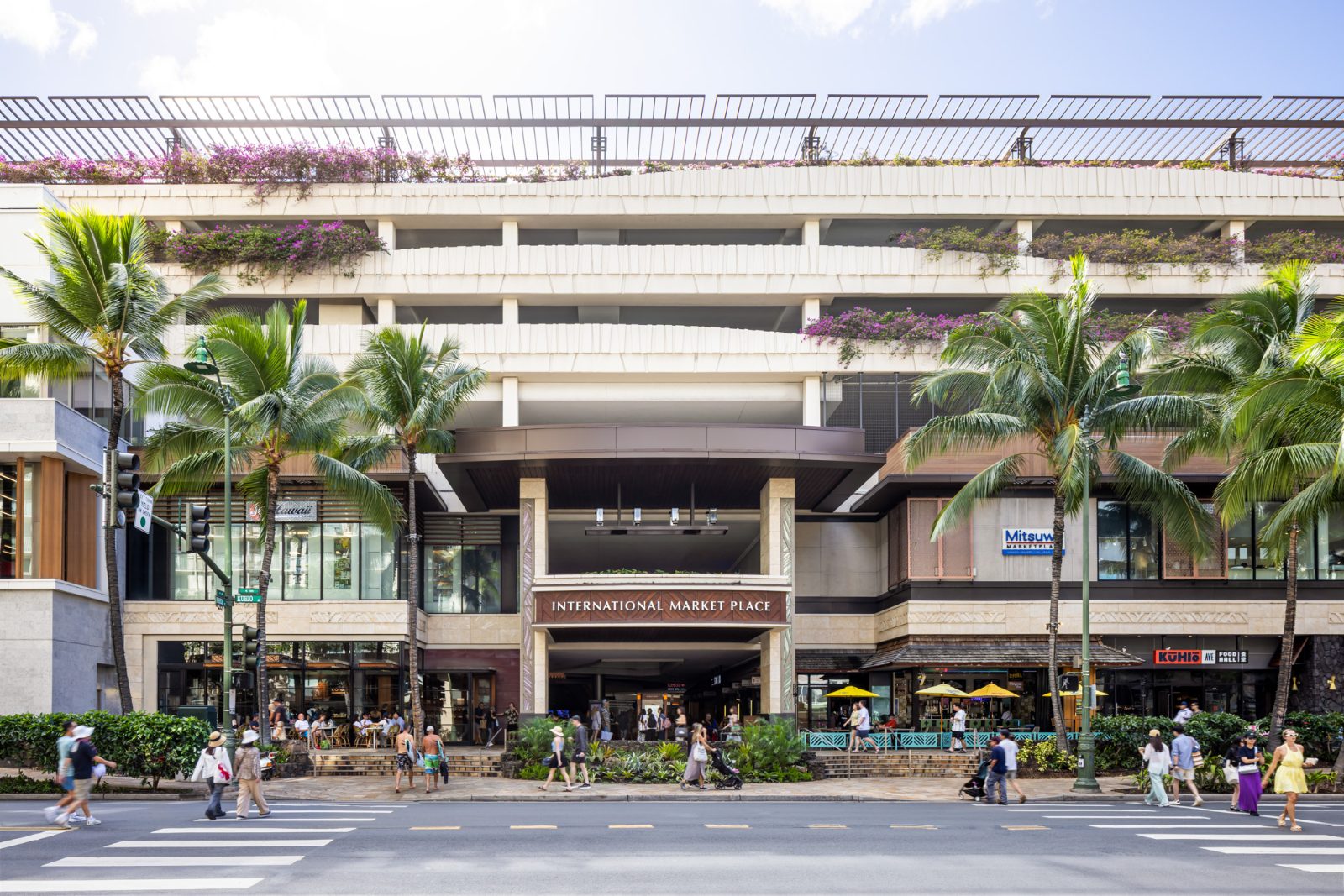
Handmade udon bowls with a line that moves quickly; solid choice for a filling meal on a tight schedule.
Classic Hawaiian plate lunch spot for loco moco or mixed plate; better suited to a relaxed pre-dusk meal than a rushed stop.
Open-air burger spot with ocean views, good for a late dinner after an evening in the water.
Alles, was Sie für Ihre Reise wissen müssen
Public beach access for night snorkeling on Oahu is open 24 hours daily, though guided tours run on their own set evening schedules.
Entry to Waikiki Beach and the Oahu shoreline is free at 0 USD; only guided night snorkeling on Oahu tours charge a fee for boat transport and equipment.
Arriving between 18:00 and 20:00 works best, since dusk entry lets snorkelers see nocturnal marine life as the light fades.
Waikiki Beach has beach access mats and seasonal beach wheelchairs, but rocky entry points elsewhere on Oahu are not wheelchair accessible.
Glass containers, spearfishing gear, drones without a permit, and reef-harming sunscreen are among the items not allowed during night snorkeling on Oahu.
Photography is allowed, but an underwater dive light or flash is needed since a night snorkeling on Oahu tour has minimal ambient light after dusk.
Yes, though most operators set a minimum age around 8 to 10 and recommend a life vest for younger swimmers on any night snorkeling on Oahu tour.
A rash guard or wetsuit top, reef shoes, and a mask and fins are recommended, since air and water temperatures drop after sunset.
Food and non-alcoholic drinks are fine on the beach beforehand, but eating is not permitted once you're in the water for the snorkel session.
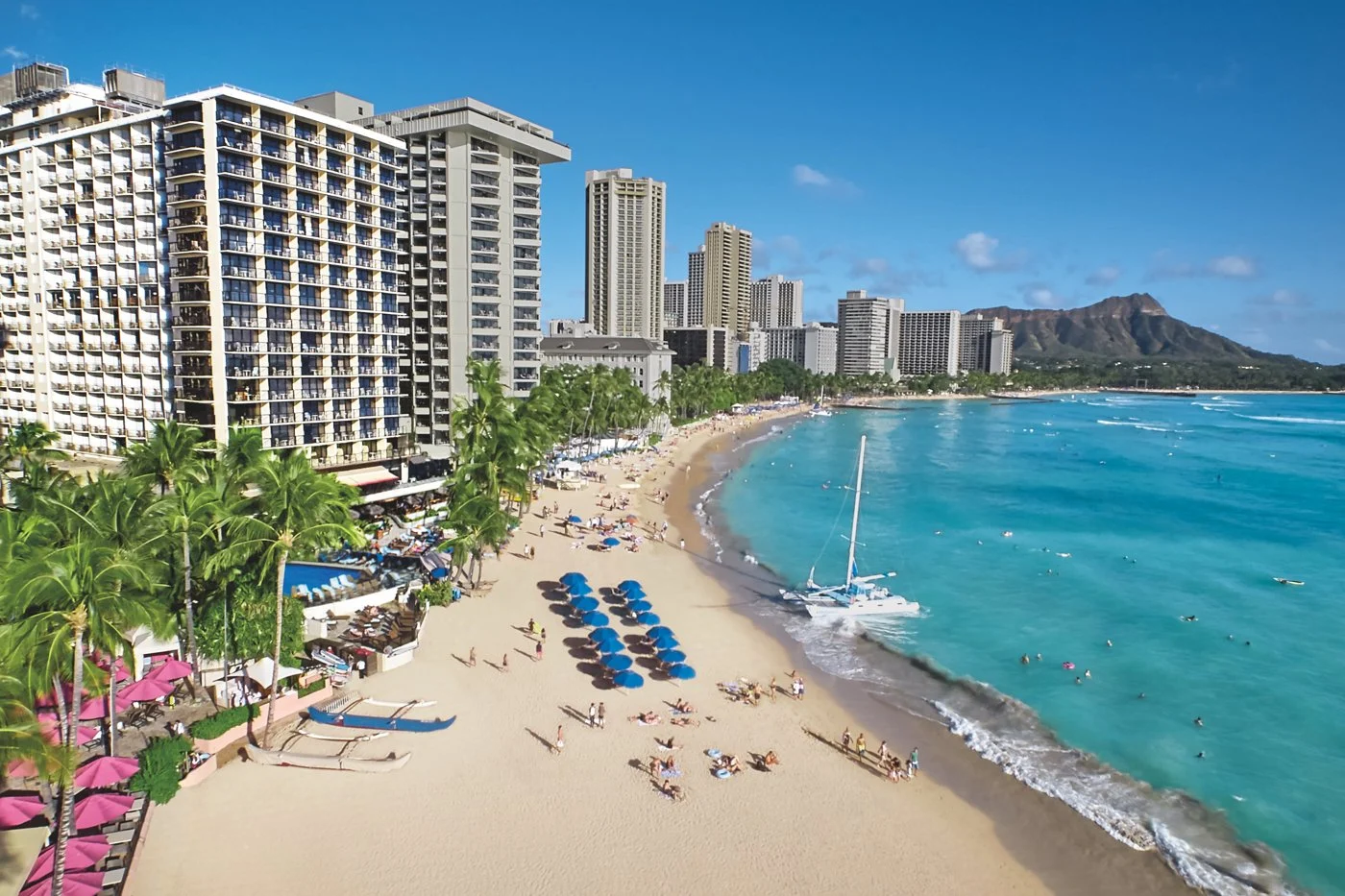
Meeting points include Waikiki Beach near the Duke Kahanamoku statue and Kewalo Basin Harbor, both reachable by TheBus, car, or a short walk from Waikiki hotels.
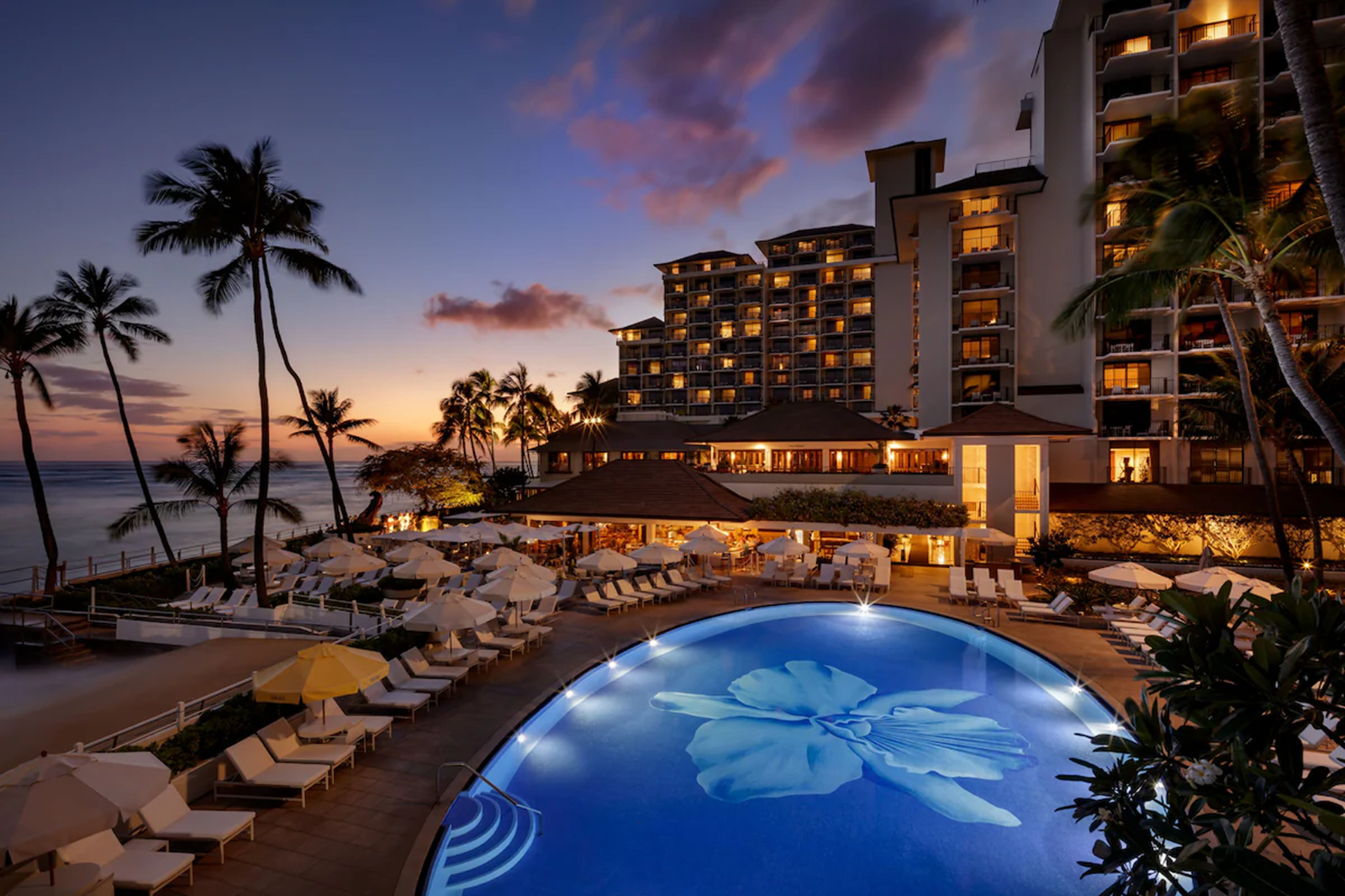
There is no cancellation policy for free public beach access since entry costs 0 USD; guided tours set their own refund windows, which should be checked at booking.
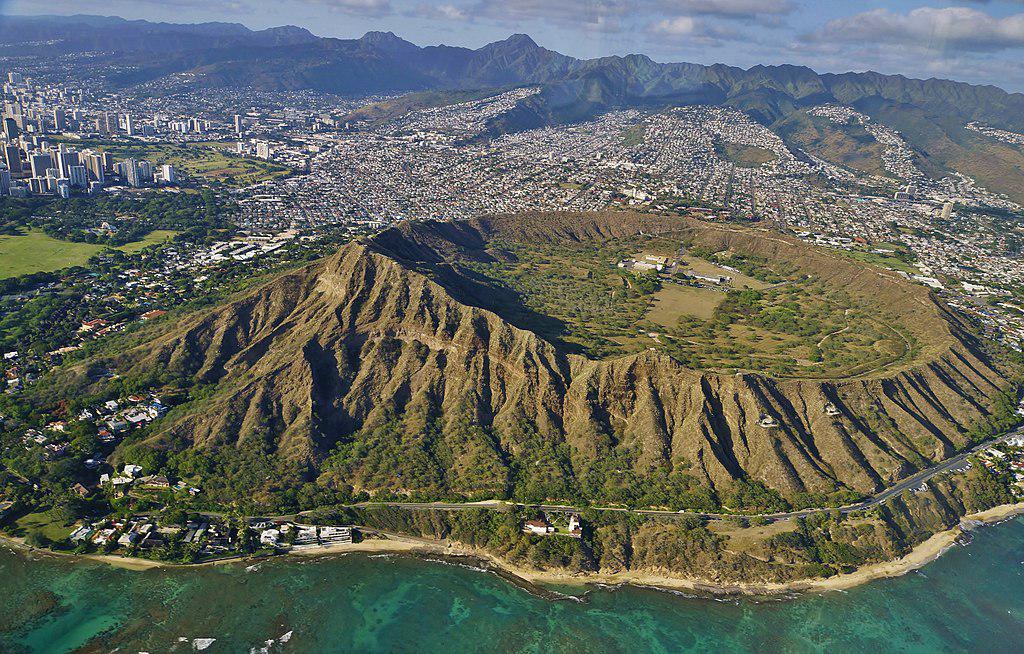
Diamond Head State Monument, the Waikiki Aquarium, and Kapiolani Park are all within a 15-minute walk or drive of Waikiki-area meeting points.
Extinct volcanic crater with a hiking trail to a summit lookout over Waikiki. Popular for sunrise and sunset views.
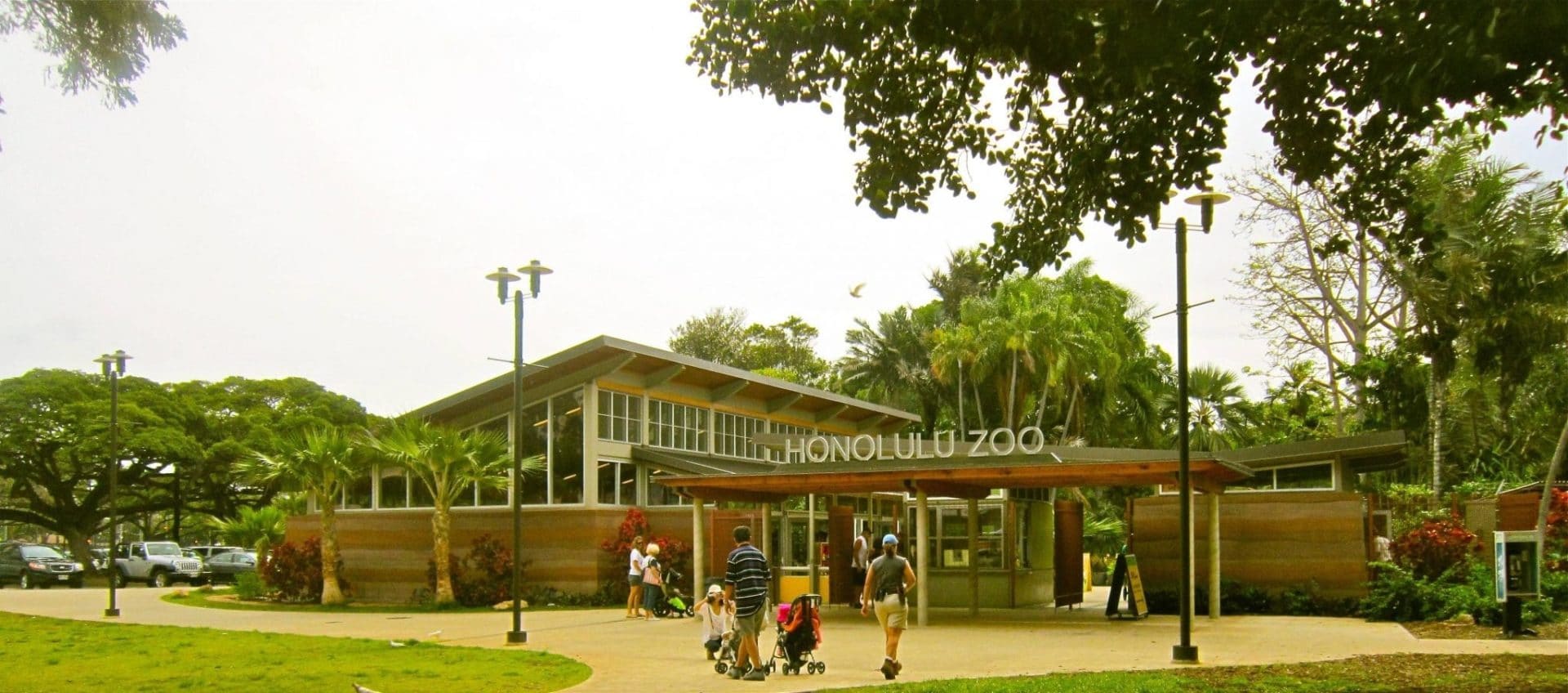
City zoo bordering Waikiki Beach with Africa and Pacific island animal exhibits.
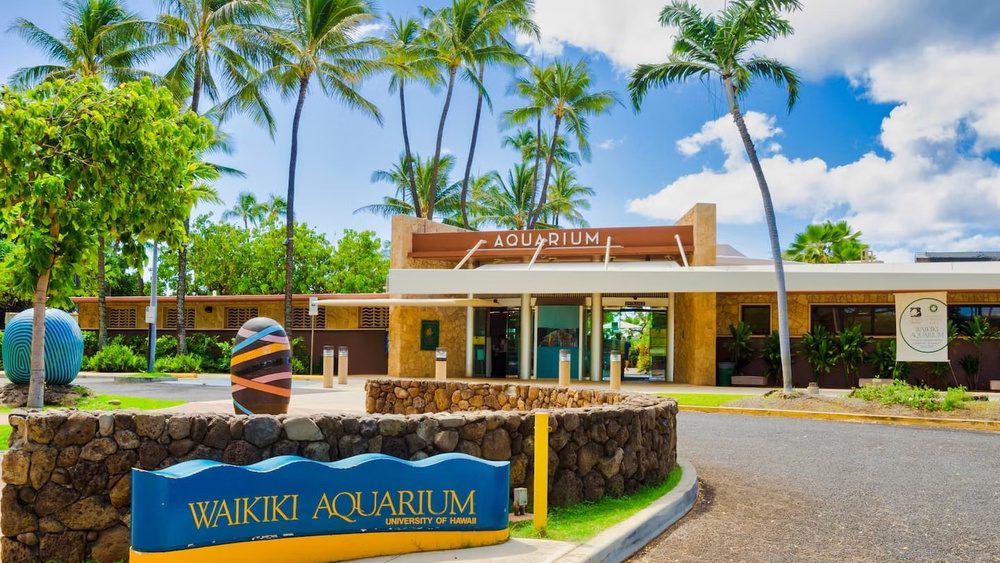
Small aquarium focused on Hawaiian reef species and Pacific marine life.
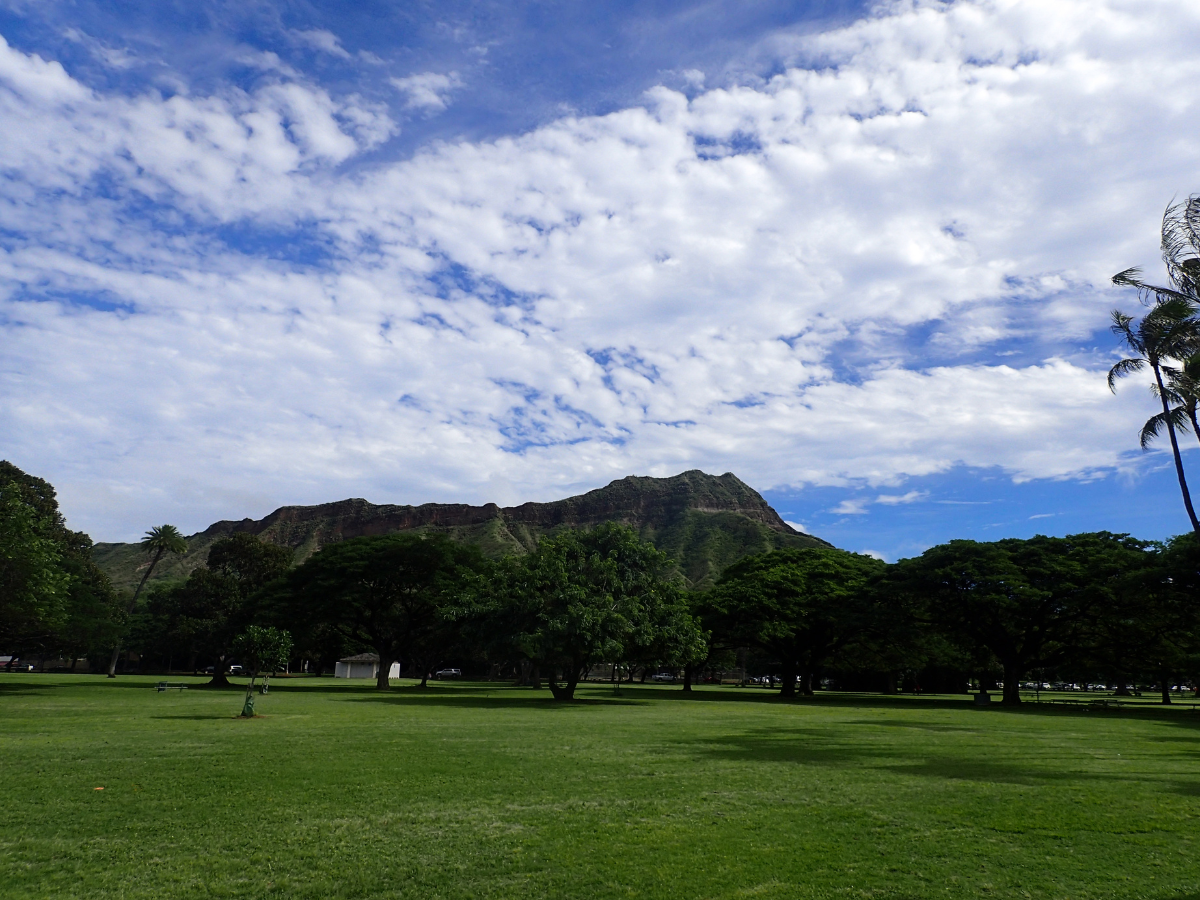
Large public park at the base of Diamond Head with banyan trees and open lawns.
Open-air shopping center with a historic banyan tree at its center.
Dense strip of hotels and condos within walking distance of beach entry points and harbor shuttles.
Beachfront hotel directly on Waikiki Beach with oceanfront rooms.
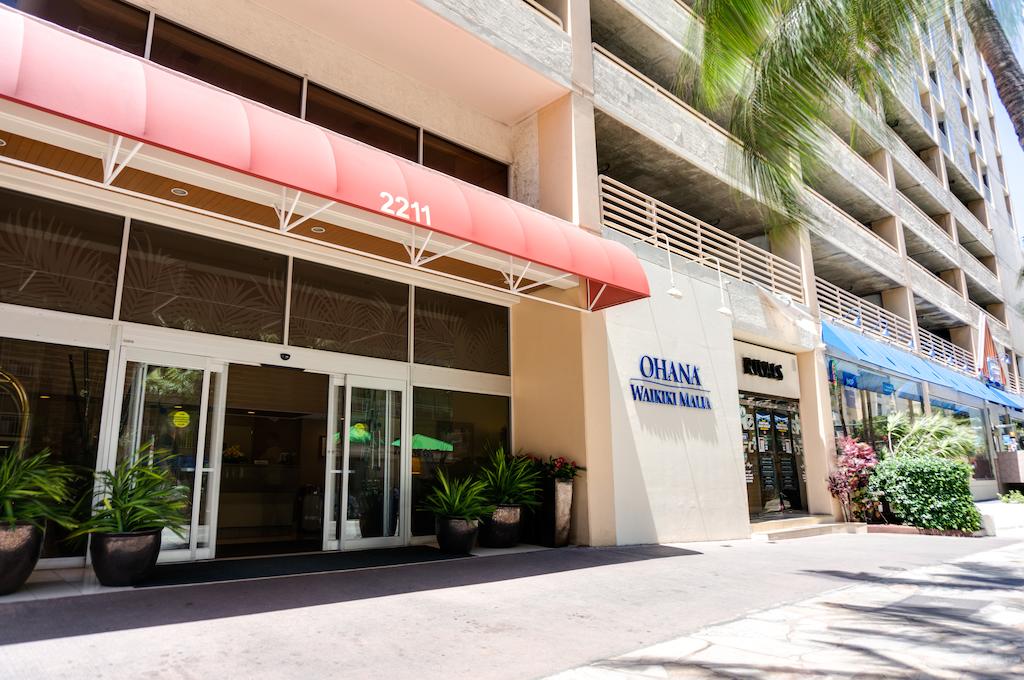
Budget-friendly high-rise a few blocks from the beach entry point.
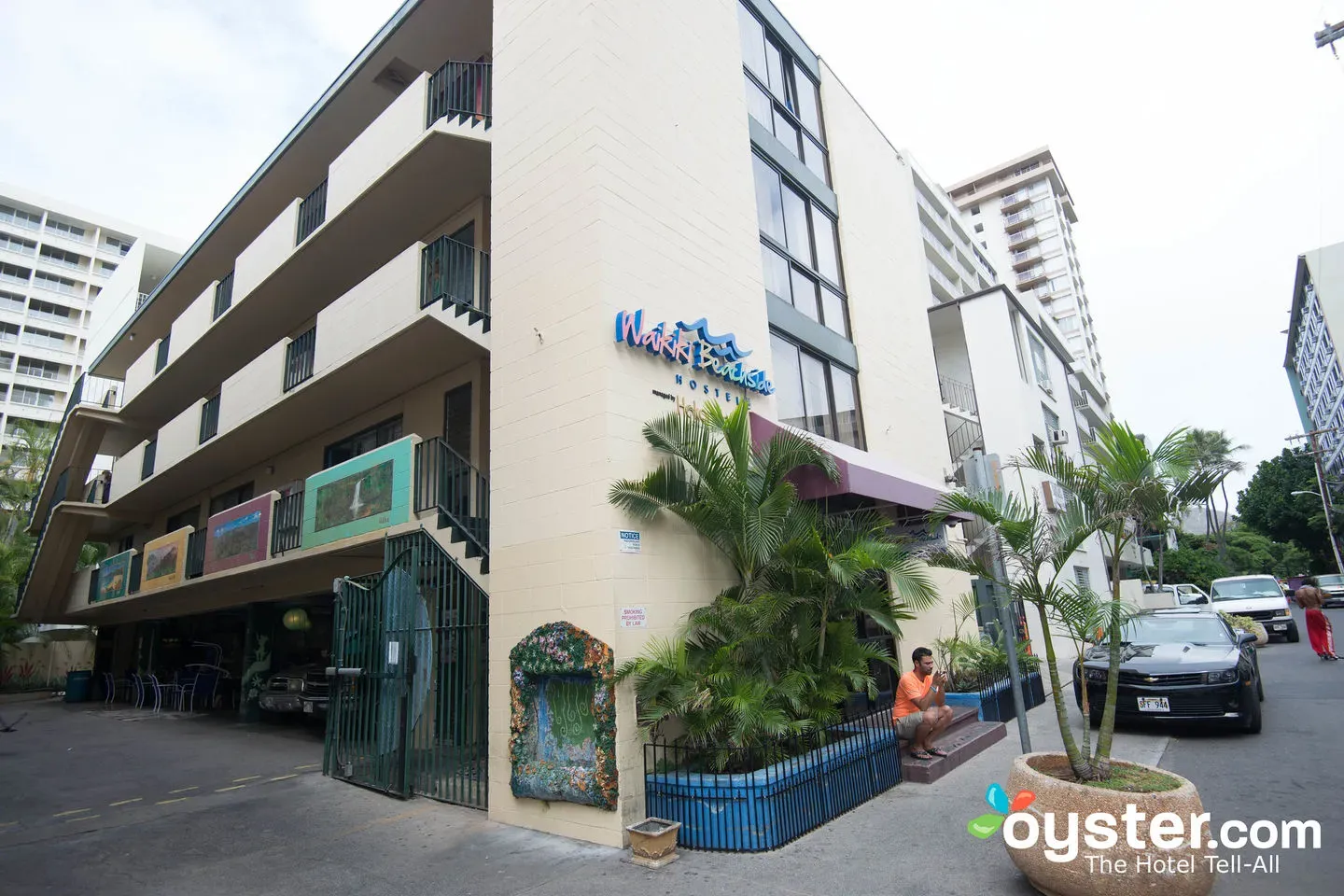
Dormitory and private room hostel near Kuhio Avenue.
Schließen Sie sich Tausenden glücklicher Reisender an, die dieses unglaubliche Erlebnis entdeckt haben
Buchen Sie Ihr Erlebnis jetzt